Author: acceso

  • Calpe Architects: How to Avoid Delays in Architectural Projects

    Calpe Architects: How to Avoid Delays in Architectural Projects

    The world of real estate management is undoubtedly interesting, active and complex, especially when it comes to architectural projects. It is very common for clients to contract the services of an architectural firm with the aim of building or remodeling a specific property. It is the perfect occasion for that architect firm to demonstrate its professionalism and experience in this field, and to avoid delays in the delivery of the project. How to avoid delays in the execution of architectural projects?

    CONTROL FROM THE BEGINNING

    It is critical to clearly define each phase of the project from the outset. Good professionals in the sector are very clear about the importance of setting concrete and realistic deadlines. For example, when determining a date for the completion of the project, it should be borne in mind that some formalities related to documentation may require considerable time to be authorized by the municipal technicians of the Town Hall. Not thinking about this detail can lead to delays in architectural projects.
    It is important that the communication with the client is precise, fluid and permanent so that the phases of construction of the work are established and known in order for all parties to have a clearer idea of the actual times that will be used in phases such as design or construction, as well as the availability of materials that will be needed. Likewise, orders must be strictly controlled in order to guarantee their supply.

    UPDATED PROJECT INFORMATION

    It is essential to have a breakdown of the information of the project, where they appear in detail all the necessities that the work requires. However, sometimes unforeseen events can occur and lead to delays in construction.
    Many connoisseurs, such as David Joaquin Delgado Hernandez, professor and lecturer at the University of Mexico, identify three types of delays in the delivery of architectural projects:
    Severe delays: those that impact the completion date of the project and can be caused by a delay in some of its phases, leading to a global delay of the project.
    Excusable delays: a delay that can be justified by the contractor or builder, but is not responsible for it. For example, it may be the case that the client wants to change the end date of the project because it needs to be inaugurated on a certain date, or that the suppliers did not supply the material on time.
    Recoverable delays: If, for example, weather is not favorable on the construction site, and work days are lost for safety reasons.
    Bureaucracy: One of the reasons for delays in projects. Currently, in most parts of the world, delays in the delivery of architectural projects are caused by bureaucracy. In countries such as Spain, it can take between ten and twelve months to complete the paperwork related to the execution of buildings. This is how Carlos Polanco explains it in an article published in the newspaper El Mundo:
    “The city councils are the wall in which the aspirations of the real estate promoters to reduce the terms of their buildings collide. The municipal technicians receive all the projects that apply for approval, a procedure that those affected consider to be prolonged beyond what is necessary and for unjustified reasons.”
    He goes on to say:
    “Indeed, the granting of an urban planning license is a regulated act. That is, one whose approval is subject to purely objective criteria. If they are complied with, no reason can be given for rejecting the request. This, in theory, is the guarantee of a quick and frictionless process, an ideal that crumbles when translated into practice.”

    PLANNING: THE BEST ALLY

    Leaving aside the Public Administrations, it must be emphasized that delays in the execution of architectural projects can be avoided. Planning will be important for this. Within this aspect, several factors intervene that will prevent the existence of delays in constructions.
    It is important, at the time of establishing the contract, to extend the delivery times of projects and to avoid inefficient controls due to bad communication. Finding alternatives to streamline documentation, taking into account new technologies, may be, as mentioned above, a way to help put an end to bureaucratic obstacles.
    The technical architect, in charge of controlling the work, must have knowledge of each of the construction processes of the project, a key aspect that will avoid delays in the execution of architectural projects.

    ARQUIFACH, ARCHITECTURAL FIRM IN CALPE

    Acquaah is an architectural firm that operates throughout the Costa Blanca, more specifically in Calpe, Aleta, Benison, Truvada and Moreira. It has more than 46 years of experience in the construction, architecture and urbanism sectors and has a professional team specialized in different fields of architectural design, construction, planning, pathology reports, valuations and advice in general.
  • The Best Places to Retire on the Costa Blanca

    The Best Places to Retire on the Costa Blanca

    For years, Spain has been one of the main countries that retired people from both Europe and North America choose when retiring to spend their last years of life. Among the main reasons we find the good climate and the quality of life that the country offers, especially in some areas. One of the favorite ones is the Costa Blanca, the area of Alicante bathed by the Mediterranean Sea. A privileged place due to its geographical and climatological characteristics, which makes it attractive for living or investing. Here are some of the best places to retire on the Costa Blanca:

    1. ALTEA

    Arquitectos Altea. Arquitectos Alicante. Arquitectos Costa Blanca.
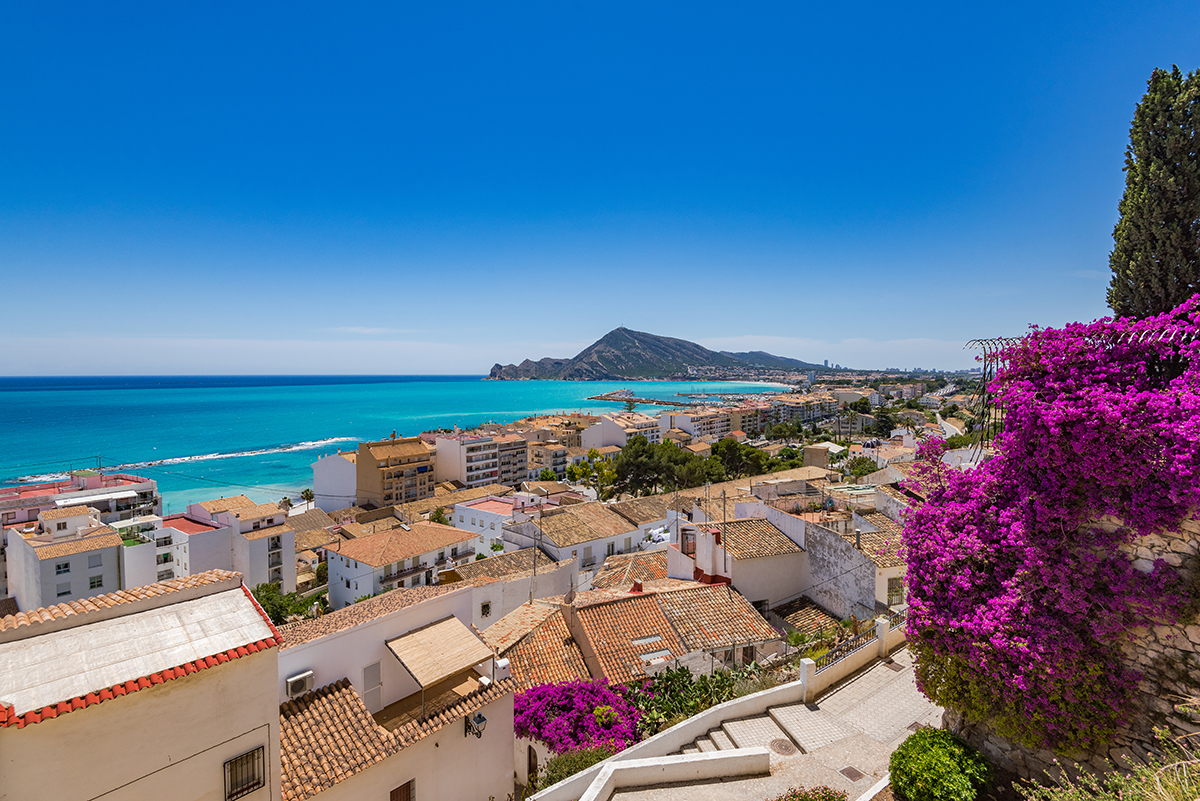
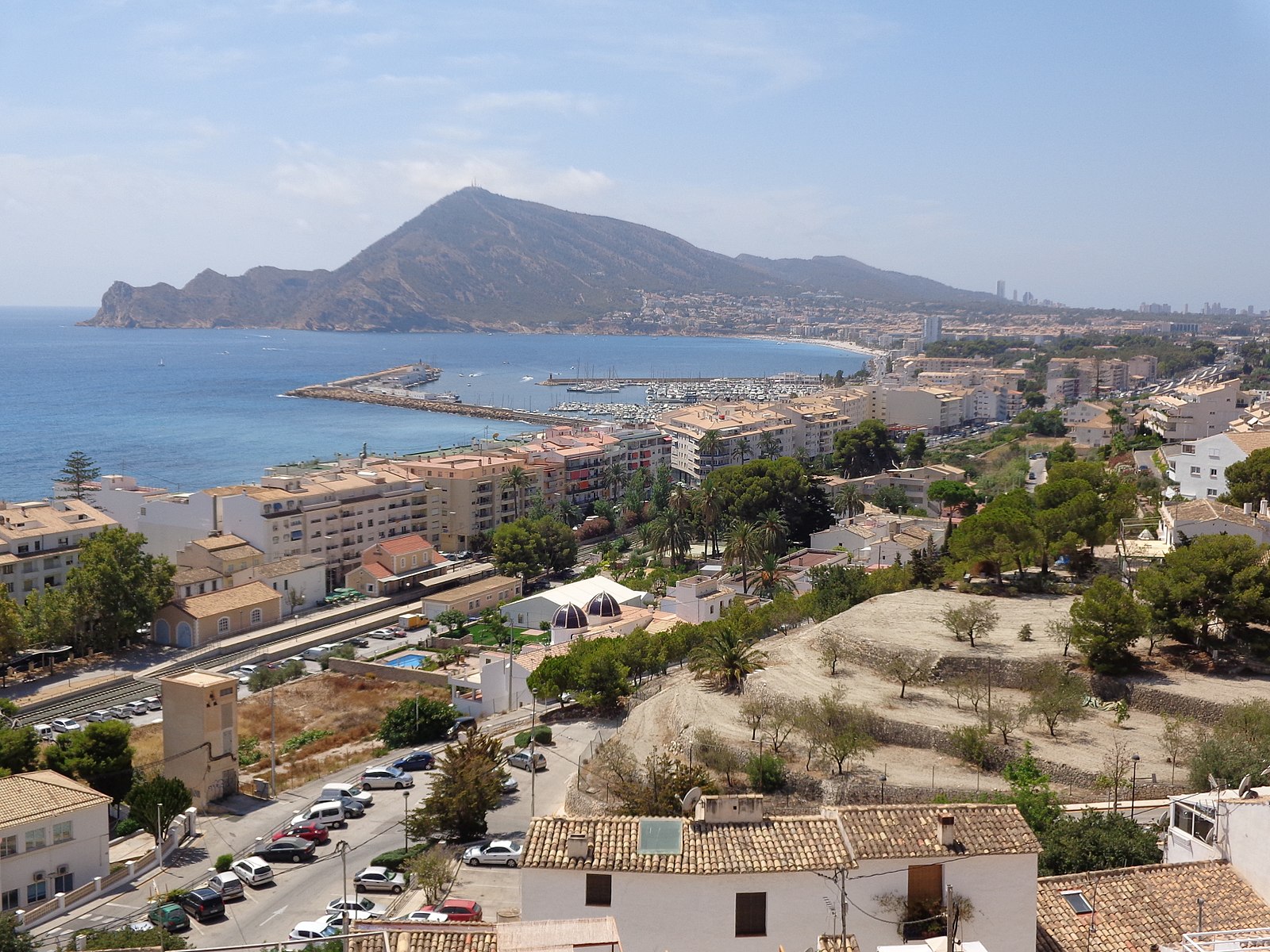
    Altea is the municipal capital of the Marina Baja region. It has 21995 inhabitants according to the 2018 census. Its weather is semi-arid, warm and temperate and very stable throughout the year.
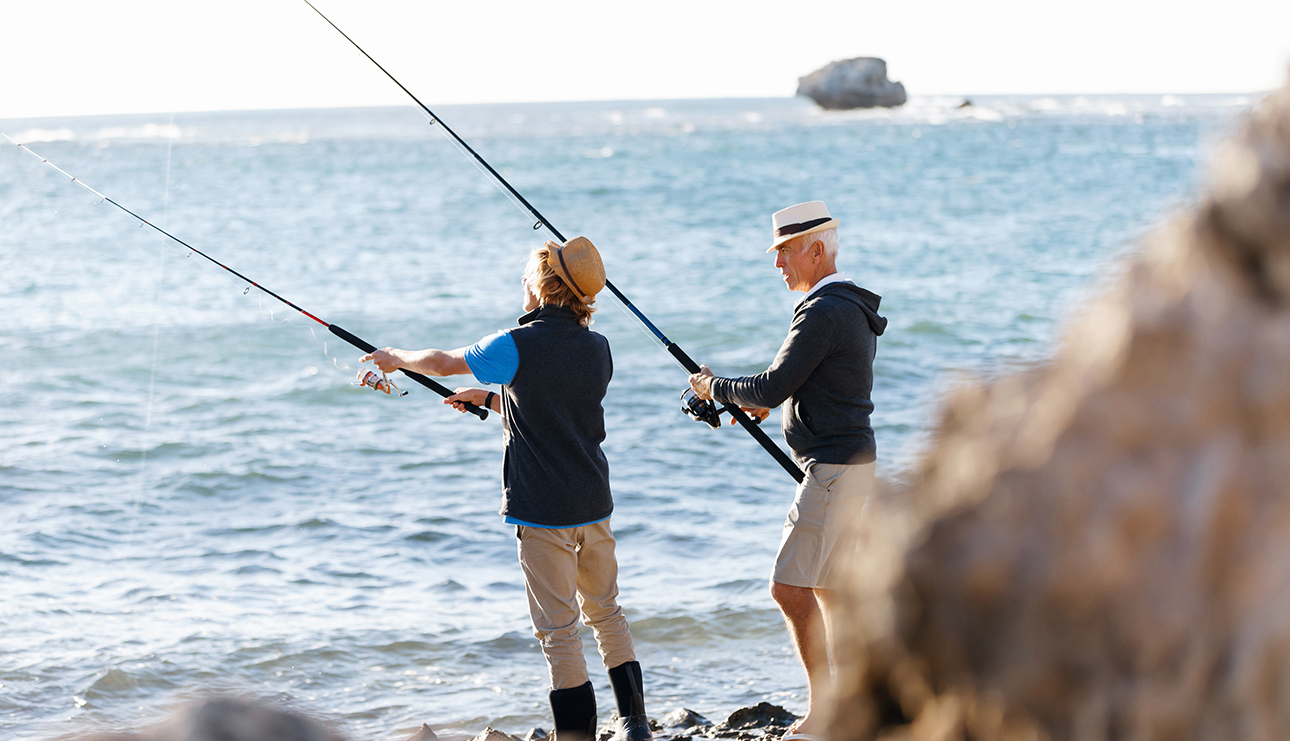
    Its streets are architecturally built on a hill that descends gently towards the sea. We find mainly whitewashed houses. It is a locality where you can do many activities, some of them related to its magnificent beaches where you can fish or practice sports. It has two fishing ports and a marina, and a multitude of leisure facilities such as shops, cafés, restaurants and terraces.
    As for its cultural jewels, the remains of a castle and the Church of Nuestra Señora del Consuelo are still preserved. You can also visit the Old Town, the Monastery of the Discalced Carmelites, Palau de Altea and the promenade.
    The gastronomy of Altea is immersed in the traditional Mediterranean cuisine. For example, a typical dish of the area is the “empedrat” which is made with rice beans and cod.

    2. BENISSA

    Benissa is located northeast of the Alicante coast. A quiet town that stands out for its crystalline water coves and a historic center that attracts both residents and visitors.
    It has a medieval architectural style, with cobbled but well-preserved narrow streets, tile roofs, century-old walls and old stately stone houses with white facades.
    Among the historical places we can visit are: Purissima Xiqueta Church, the Town Hall, Sala del Consell or Abargues Museum. But not everything is history, we can also go to fine sandy beaches such as La Fustera, Bahía de les Bassetes, Cala Pinets or Cala de la Llobella, among others.
    Walking through the streets of Benissa, we can also get to know its gastronomy, which is defined as the typical Valencian food focused on products from the sea and the countryside.

    3. CALPE

    Another location that is among the favorites of retirees. It is located north of the province of Alicante and is one of the most visited for its medieval architecture.
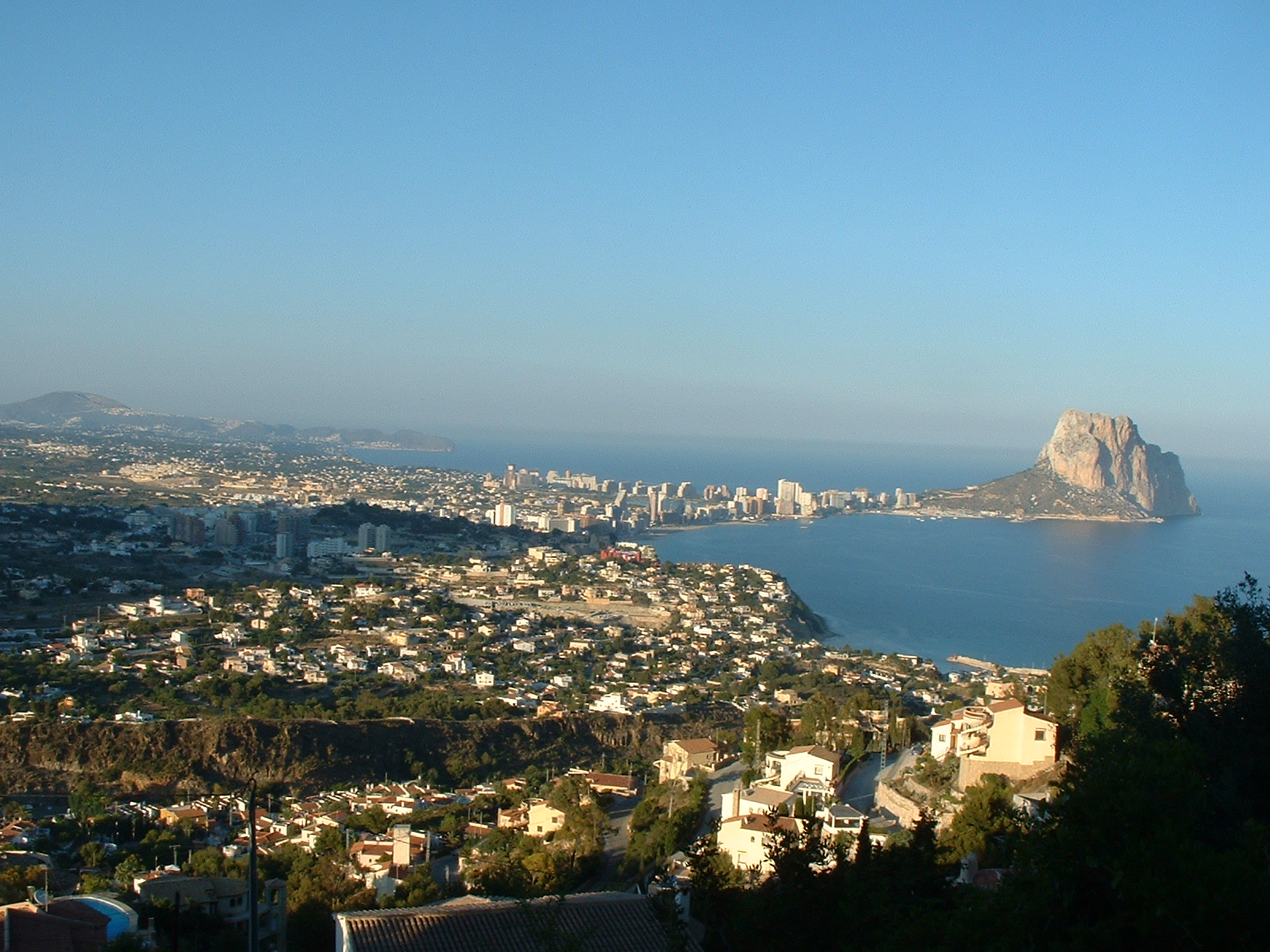
    It has 13 kilometers of coastline with coves and beaches, such as Cala Calalga, La Manzanera, Collao, Cantal Roig or Aranal-Bol. Also, on its coasts we can see the imposing Peñón de Ifach, which is considered the main symbol of the Costa Blanca. Calpe offers us the possibility of carrying out diverse activities, from enjoying a delightful bath in its crystalline waters, to visiting monuments and historical sites such as: the Castellet de Calp, Forat de la mar, the Old Church, Pou Sala or the Archaeological Museum, among others.
    The gastronomy of Calpe comes from its coasts and is based on local fish such as monkfish, mackerel, sardine and octopus.

    4. DENIA

    Denia is the capital of the Marina Alta region and is made up of three districts: La Jara, Jesus Pobre and La Pedrera. It is a cosmopolitan city that offers excellent services and a mild and placid climate, with an average temperature of 18 °C.
    The journey through its streets with an ancient architectural style is a pleasure, small but cozy streets, houses with ochre colors and illuminated on the facade with street lamps.
    Also, in the locality of Denia, there are several places of interest like: The Town Hall, Torre del Garro, Denia Castle, Archaeological Museum, San Antonio Church, among others. But we can also find extensive beaches with rocky coves, such as: Punta del Raset, Les Marines, Els Molins, L’Almadrava and Les Deveses.
    Its gastronomy is very varied and is influenced by other European countries. Its typical dish is the “Denia red shrimp”.

    5. ELCHE

    Elche is the capital of the Baix Vinalopo region. A town with a vast history with an architectural style that combines the medieval with the modern. This contrast of style attracts visitors.
    There are several places where you can have fun and get to know Elche, such as: Palmeral de Elche, La Basílica, Palacio de Altamira, Museo de la Festa, among others.
    Elche also has natural areas of great value, such as the Hondo, the Clot de Galvany Natural Park or the Salinas Natural Park, as well as fine sandy beaches, such as: El Altet, El Carabassí, El Pinet and Les Pesqueres- Rebollo.
    This locality offers you a wide gastronomic menu, based on own products of the sector. The best-known dish is the rice with crust.

    6. JAVEA

    Xabia or Javea is a tourist town par excellence thanks to its privileged climate that makes it ideal.
    In Javea, you have no excuse to get bored because there are many activities you can do, from visiting the Old Town, the Palace of Bañuls, the Church of San Bartolome, Sanctuary of the Mare de Dèu dels Angels, among others.
    But if you are one of those people who are more into beaches and wings, Javea has 25 km of coastline and several beaches, such as: Cala Tangó, Playa Primer Muntanyar, Playa Arenal, Cala Blanca, Cala Sardinera and Cala Granadella.
    Another aspect that characterizes Javea is its gastronomy. In your journey, you will find a great variety of restaurants that serve dishes based on the natural products of the sector.

    7. TEULADA-MORAIRA

    Teulada-Moraira is a town with 8 km of coastline. Its streets and infrastructure have a Mediterranean architectural style with a wide historical and natural heritage that will invite you to know its history and traditions.
    Among the historical and natural heritage, we can visit are: Moraira Castle, Santa Catalina Fortress, among others. The beaches you can visit are: Porter Beach, Cala Portitxol, Cala Cap Blanc, Platgetes, among others.
    In this locality, the typical dish is based on the fish that the sector extracts like: “putxero de polp” the “sopa de peix” or different salted fish.

    When a person retires what they are looking for is tranquility and peace, living in a place that allows them to meet their goals and has a pleasant climate, in Costa Blanca you have several options, localities that offer all services with a climate that will catch you.

  • Alicante Architects: Bioclimatic Architecture and Sustainable Homes

    Alicante Architects: Bioclimatic Architecture and Sustainable Homes

    Concern for environmental protection is now widespread. In architecture and construction, this concern translates into the use of eco-friendly materials and practices that help conserve the resources of the environment. The saving of energy, the decrease in the emission of polluting gases and the sustainable use of resources are in the forefront of the construction of new sustainable homes.
    Sustainable and bioclimatic architecture aims to achieve maximum environmental performance and the lowest possible impact. The design and construction of sustainable homes takes into account a number of factors such as weather conditions, the ecosystem or hydrography.

    WHAT IS SUSTAINABLE HOME OR A BIOCLIMATIC HOME?

    Sustainable homes are those that respect the environment. that is to say, homes for whose construction both energy-saving resources and ecological materials have been used. They are characterized by being integrated into nature, with large windows and located in places where natural energy sources, i.e. good reception of light and water, can be leveraged.
    For a home to be sustainable, it must respect green areas and their biodiversity. Therefore, during its construction it is sought to have a minimum impact on natural areas, respecting the flora and fauna of the place.

    CRITERIA AND REQUIREMENTS FOR SUSTAINABLE HOMES

    The fashion for the ecological generalizes and attributes the adjective of sustainable to houses that are not, only for the fact of having solar panels or make use of some ecological material. These ratings that are made lightly are far from reality, since there are many sustainability criteria that should be used from the design of the home, such as:

    Orientation

    For a house to be sustainable it is necessary that its orientation has been taken into account in order to make the most of the hours of natural light. The objective is not simple: to capture as much sunlight as possible during the winter while protecting against direct exposure during the summer. Likewise, the orientation of each of the rooms to reduce energy demand is planned.

    Energy Efficiency

    These homes, due to their orientation to the sun and location, try to make the most of renewable energy sources, including natural light, with the aim of minimizing energy consumption. It is also necessary, during construction and design, to achieve thermal insulation and suitable climatic conditioning. Much more can be done to achieve energy efficiency, such as using energy-efficient light sources and appliances, as well as energy-saving biomass boilers.

    Thermal and ecological insulation

    The greater the insulation, the greater the sustainability. But that’s not enough because insulation materials must also be environmentally friendly and must have a number of characteristics:
    • The insulation must be based on healthy, non-toxic materials, i.e. they must be free of plastics or other components derived from petroleum or substances that are harmful to health.
    • They must be durable, recyclable and biodegradable.
    • The manufacturing processes of this insulation have also required a minimum consumption of energy.
    • It is essential that their insulation capacity is efficient.
    • Some of the insulation materials that meet these requirements are cork, sheep’s wool, hemp, flax or cellulose.

    Renewable energies

    The use of natural resources is the ideal ecological option to provide a sustainable home. Currently, the main renewable energies are photovoltaic, mioeolian and biomass (light, air and organic matter). As all factors are related, the availability of space, the orientation of the home, its location and the weather characteristics of the place where we live, among others, must be considered to choose between one or the other.

    Respect for the environment

    The aim is to take advantage of all the resources offered by the environment, so that the construction of the house has the least impact on the space where it will be used for this plant coverings. Likewise, the green areas of the house are adapted to the climate of the place, trying to make the most of it.

    Sustainable materials

    In addition to careful selection of insulation materials, ecological materials are also used in construction. They will be those that have a low impact on the environment but do not lose their properties of durability and resistance. They are reusable or recyclable if they are not altered by climatic changes (cold, heat or humidity). These materials also capture energy and Co2 and seek to minimize or eradicate pollution.

    SAVING WITH SUSTAINABLE HOMES

    One of the main advantages of sustainable homes is that they reduce energy consumption, which means great long-term savings. The difference with conventional homes can reach up to 60% depending on the factors mentioned above. Savings tend to be concentrated on electricity and water services.
    There are many resources that can be used to make a home more sustainable. For example, evaporative systems and water sprinklers can be used to moisten curtains and minimize summer weather conditions as heat is absorbed. The color of the facades is used to save energy. For example, in several areas of Spain, houses are painted white to reflect heat, and in cold areas the walls are painted black or dark colors to absorb it. Landscaping is also a great ally. For example, trees are placed that provide shade and protection against the wind.

    ARQUIFACH: ARCHITECTS IN CALPE, ALTEA, BENISSA AND TEULADA

    Arquifach is an architectural firm that operates on the Costa Blanca: in Calpe, Altea, Benissa, Teulada and Moraira. It has more than 50 years of experience in the construction, architecture and town planning sector and a professional team specializing in different fields of architectural design, construction, planning, pathology reports, valuations and general advice. Contact with Arquifach Architects.

  • COSTA BLANCA REAL ESTATE INVESTMENTS

    COSTA BLANCA REAL ESTATE INVESTMENTS

    Real Estate Investments on the Costa Blanca: Why buy a house on the Costa Blanca?

    Costa Banca is located in the province of Alicante in the southeast of Spain. It is a privileged place due to its geographical and climatological characteristics that make it attractive for great investment possibilities by residents and tourists. Many of our clients are encouraged to create their dream home, being aware that it is also an opportunity to immerse themselves in real estate investments on the Costa Blanca.

    Evolution of Costa Blanca real estate investments

    Therefore, the cost of real estate in that area has increased over the years. According to the report published by pisos.com, the average sale prices in Costa Blanca have increased 3.2% in the third quarter of 2018 compared to the same period the previous year; followed by rents.

    Similarly, statistics from the Ministry of Development of the country show that the homes sold during the first half of the year in the province reached a total of 2,797 million euros with an increase of 23% compared to the previous year.

    But this increase has not prevented Costa Blanca from being an active investment market, as can be seen in the official data provided by the Ministry of Development with respect to real estate transactions which increased 16.8% during the first semester of 2018 compared to the same period of the previous year.

    Volumen of Costa Blanca real estate investments

    In this regard, in the province of Alicante, specifically in the Costa Blanca area, a total of 23,256 real estate purchase and sales transactions were registered during the first half of this year.

    What is looking for a byer on the Costa Blanca?

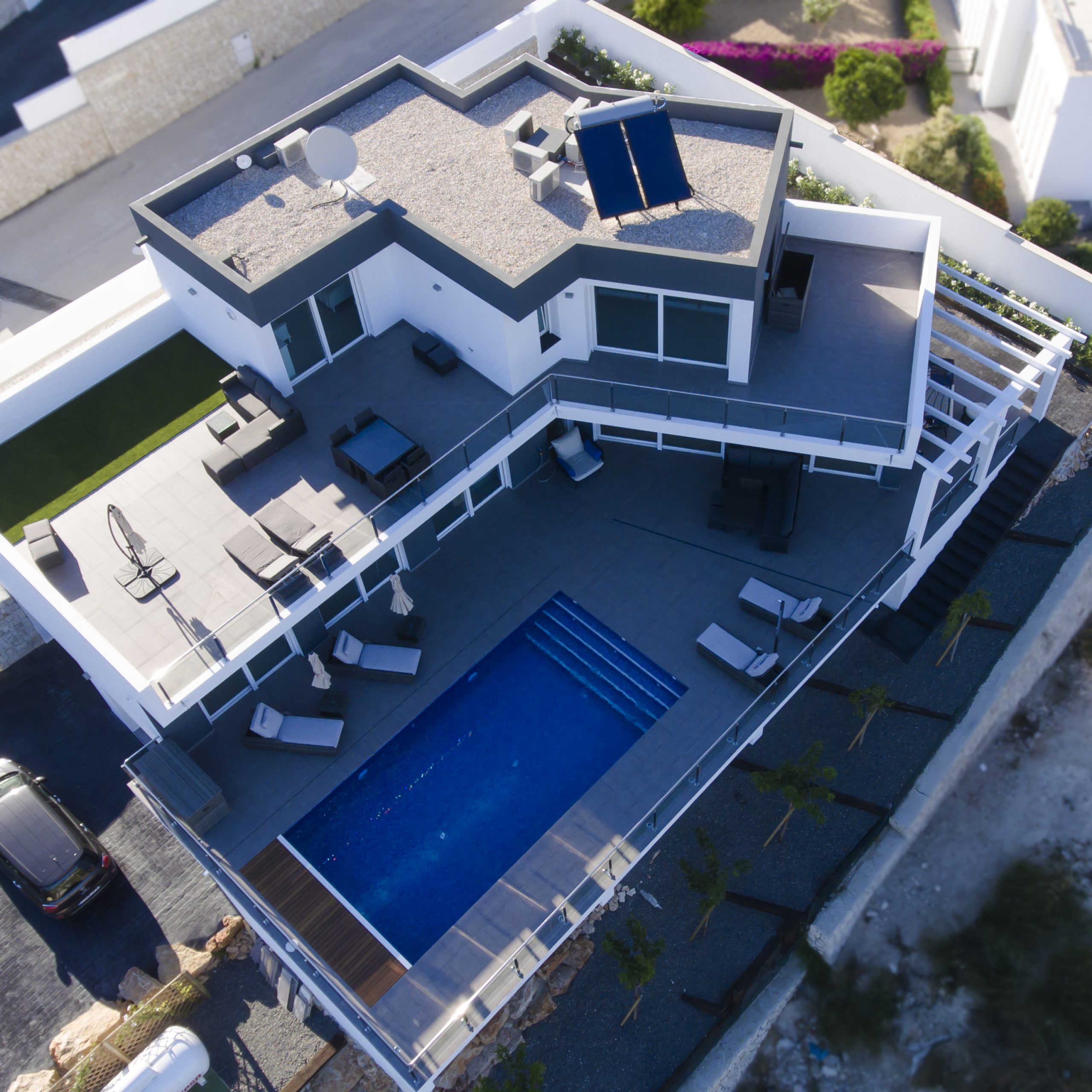
    Arquifach: Architectural Studio in Alicante present: Villa Sabana - Detached house with swimming pool located within urbanization
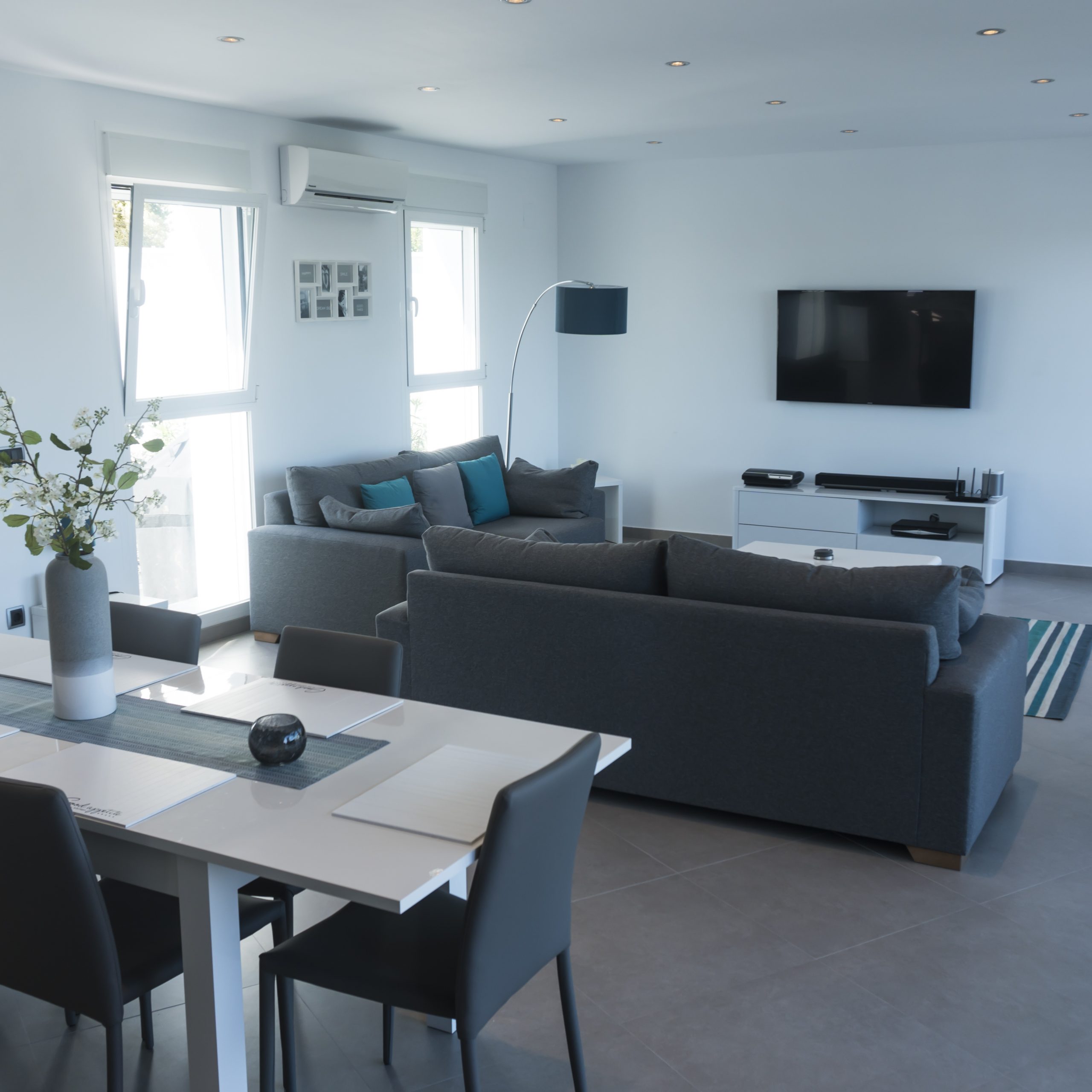
    All homes in the Costa Blanca area have a contemporary and modern design. Realtors also offer the possibility for the investor to design and build their dream house on demand or to acquire only the plot.

    Buyer profile

    Another important factor that can be seen in the statistics of the Ministry of Development is that a high percentage (40 to 45%) of the buying and selling processes were made by foreign buyers, from residents of any European country to North Americans.

    The target of potential investors to buy land and/or build houses in the Costa Blanca area is defined in people between 50 and 55 years old who are about to retire.

    Why choose the Costa Blanca to live?

    When a person retires, they look for peace and quiet, living in a place that allows them to fulfill their goals, having a pleasant climate and mainly having an economic stability with which they can live comfortably.

    For many years now, Spain has been one of the main countries that take into account retired people from both Europe and North America to retire to spend their last years of life. This was demonstrated in the 2018 Global Index of Annual Retirement quoted in the American magazine International Living, in which Spain ranks 9th.

    This preference towards Spain is caused by its good climate and the quality of life that the country offers. Some of these inhabitants become residents and begin by renting of a house and then make an investment in the sector of their preference, some in large cities such as Madrid and Barcelona and others in smaller sites such as Alicante

    In this sense, one of the favorite sectors to inhabit is the Costa Blanca, named after the Mediterranean coast in the province of Alicante, located southeast of Spain, which in addition to having good weather, beaches and other outstanding geographical aspects, it also allows citizens to have a better quality of life due to its good services.

    Regarding the profile of retirees who come to Spain to find their home, the majority are women between 65 and 70 years old, married or widowed, with good health conditions. In addition to this, people over 80 have some dependency. In relation to income, these retirees mostly live with the monthly installment stipulated in the public pension.

    This attraction of Spain as a favorite destination to retire specifically in the Costa Blanca sector makes it a real estate investment option, with great possibilities for investors to allow these people to buy a plot and build their house.

    Alicante architecture studio: Arquifach, takes care of your project

    Contact Arquifach, architecture studio Alicante , without obligation. If you are thinking of retiring on the Costa Blanca, you have comprehensive services in the construction of new single-family homes or tourist apartment buildings. It has the support of a specialized team on the Costa Blanca. Arquifach covers the entire project, from design, construction, planning, pathology reports, assessments and general advice.

  • HIGH-TECH ARCHITECTURE: Architectural Studio in Alicante

    HIGH-TECH ARCHITECTURE: Architectural Studio in Alicante

    Nowadays, technological and digital evolution have transformed society. Nobody could have imagined in the past that we would become practically technified. This evolution covers all areas: health, education, industry and food, among others. In this sense, architecture has also had a progressive advance, giving rise to new trends where the structure, facilities, enclosures and other construction systems, become the protagonists. It is called High Tech architecture.

    High-Tech Architecture Definition

    Due to this evolution and idea, a new architectural style arises during the 70s combining architecture with high-quality technology called High Tech which aims to capture an industrial appearance in all designs and constructions using industry-specific resources specially to make roofs, walls and floors.

    This trend sought to stand out against modern architecture through the multiple elements of construction used and which were the protagonists of the works, such as stairs, elevators, lighting systems, steel material and glass.

    High-Tech Architecture Characteristics

    The characteristics of this type of architecture have changed over time, among which we can mention:

    1. Use and exhibition of industrialized materials such as houses with glass and steel walls very common in this style; therefore, materials are the main protagonists of this style.
    2. It arises from the movement of late-modernism with the influence of rationalist architecture.
    3. For interior design, industrialized family objects are used. For example, containers that are transformed into vases to place some flowers.
    4. It is based on some themes of modern architecture but reforming and reworking its own identity based on current trends.
    5. The facades in these buildings have a metallic and bright appearance.
    6. Its main exponents were: Renzo Pano, Richard Georges and the Pompidou Center.

    High-Tech Architecture Foundations

    The main foundation of the High-Tech architecture is that both the structure and the details in the construction process are made of technological materials, integrating glass, stainless steel, among others with the facilities, taking into account the lighting, the walls, roof, floors, etc.

    The technological evolution allows to be in a constant search and research on the new materials (steel, polycarbonate, aluminum, glass, etc.) and theirs uses, thus achieving the promotion of technological development

    High-Tech Architecture: Emblematic Examples

    George Pompidou Center

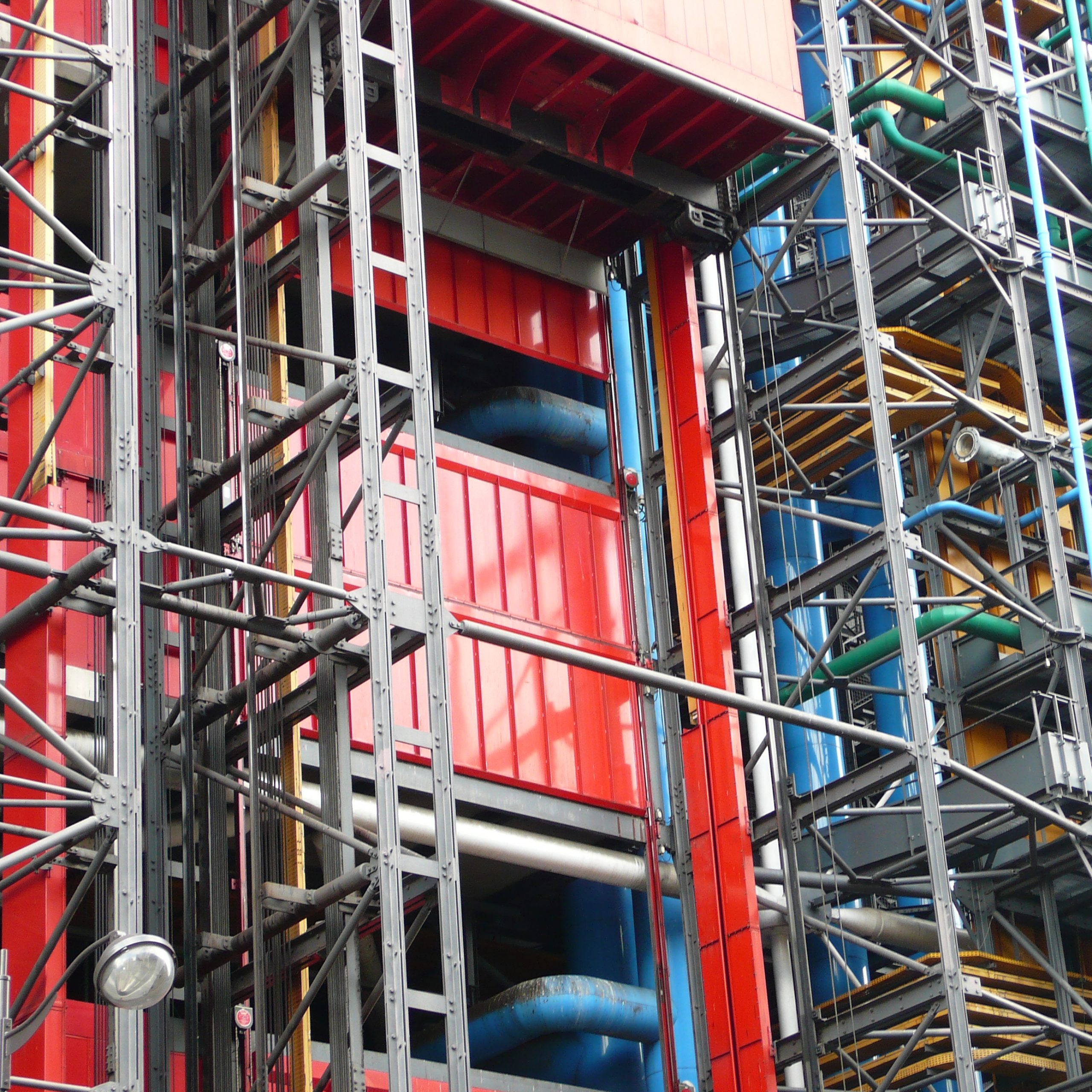
    One of the first High-Tech architecture constructions is the George Pompidou Center, located in Paris, designed by architects Richard Rogers and Renzo Piano and opened in 1977. This style can be observed from outside the construction, because its facade has several exposed tubes and structures. Betting on the most extreme brutalism can be seen as the steal structure steals the role to the skin of the building, which is in the background.Technological materials mentioned above: glass, stainless steel and gerberet pieces (as a tribute to engineer Gerber). Protagomismo of the conduits of ventilation and air conditioning, the systems of illumination, the elevators to the sight and the stairs.
    George Pompidou Center, París. HIGH-TECH ARCHITECTURE

    Arab Center of Paris

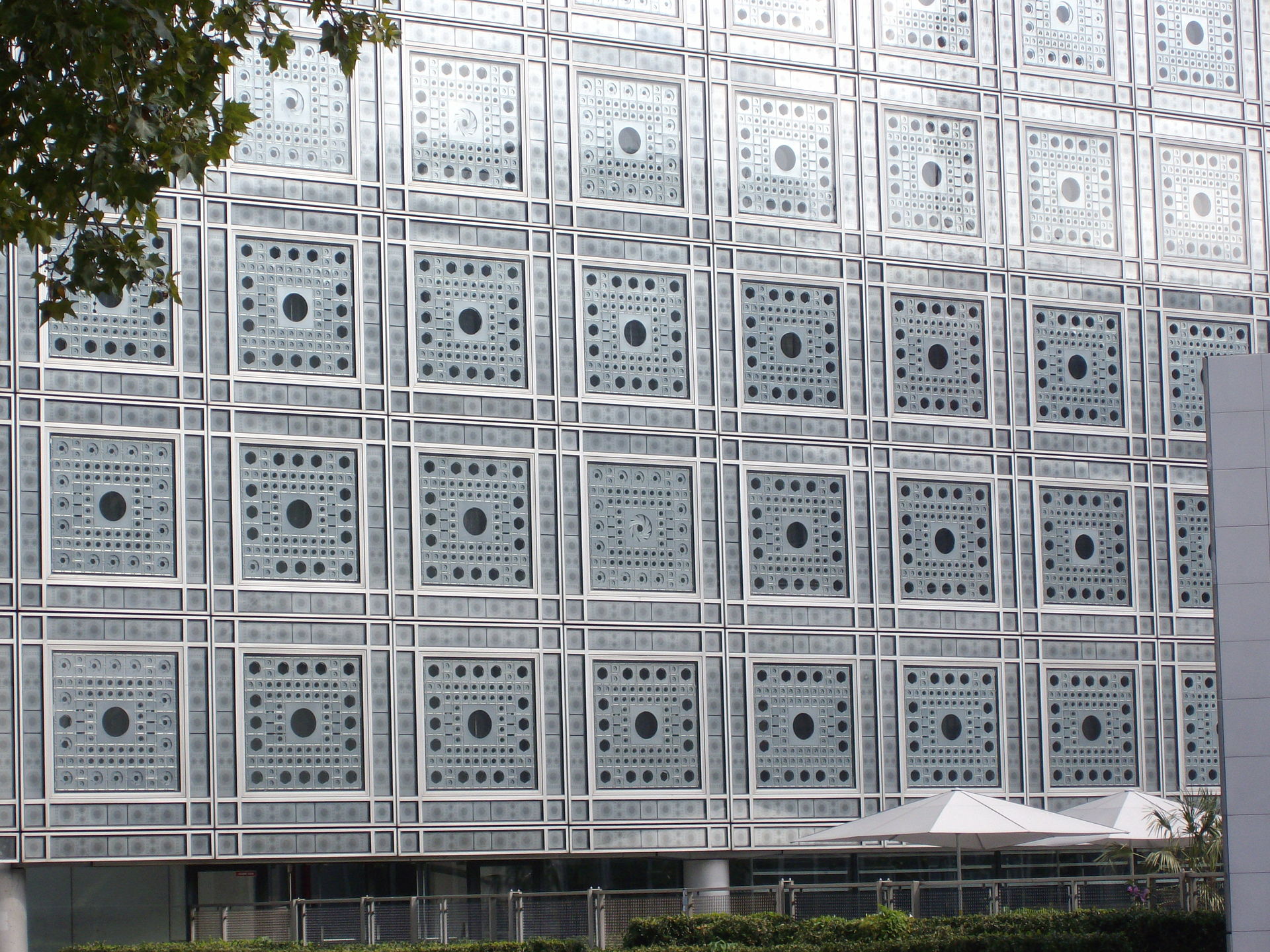
    Another of the emblematic works of Hight Tech architecture is the Arab Center of Paris, built in 1987 by the architect Jean Nouvel, like the previous one, the High Tech style stands out in its façade since it has technology to control the entry of the sun’s rays. It was created by France and the States of the Arab League to promote and disseminate Arab culture and to build a place for meetings and exchanges in order to strengthen cultural and social ties between both countries. It is a synthesis of Western and Middle Eastern architectural concepts. Our façade is double architectural duality through geometric Arab patterns in the form of mobile diagrams, simulating a camera.
    el Centro Árabe de París. HIGH-TECH ARCHITECTURE.

    The Museum of Tomorrow

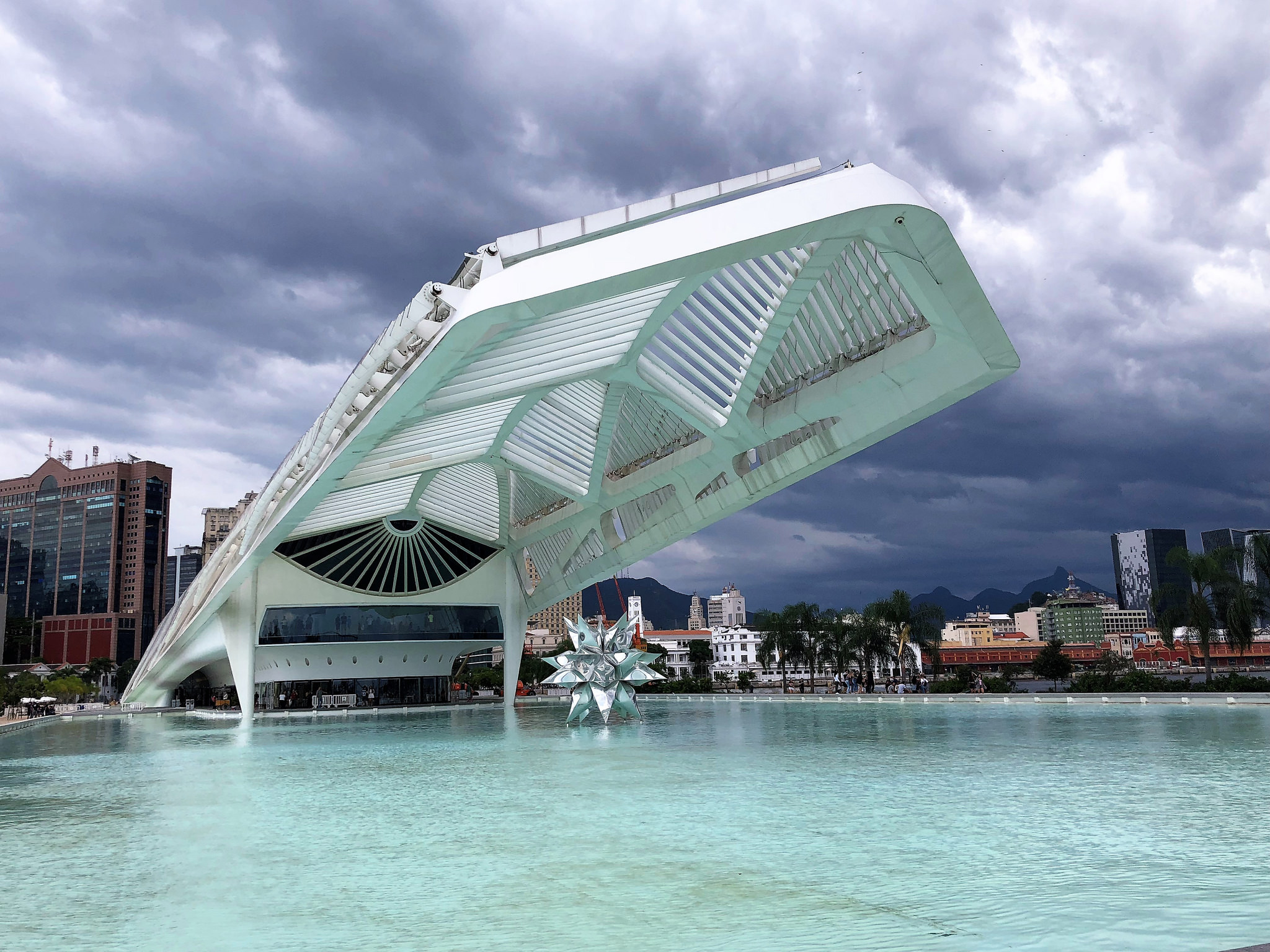
    The Museum of tomorrow located in Rio de Janeiro, Brazil was designed by architect Santiago Calatrava. It also applies High Tech style predominating in its roof which is cantilevered in the form of wings, scattered over almost the entire dock. The 9,200 square meters of water mirrors form the base of the building and that are complemented by the water of the bay.

    HIGH-TECH ARCHITECTURE. El museo del mañana de Brasil.

    * Article notes:

    Photograph of the Museum of tomorrow by Rodrigo Soldon Souza

  • Destinations to retire: architecture studio in Alicante

    Destinations to retire: architecture studio in Alicante

    It has often been said that the Mediterranean coast has something special, maybe that’s why it is the destination chosen among many retirees. Many of them come from northern European countries. This week in our blog we will analyze the reasons why many people choose the Mediterranean Coast and specifically the Costa Blanca as destinations to retire.

    What are they look for in their ideal destination?

    The weather: decisive to choose between destinations to retire

    It is known to all that climate has an effect on people, both physically and psychologically. There are studies that show the negative effect that can have on our health some weather phenomena such as rain or heat stroke.

    How is the climate of the Mediterranean Coast?

    Rainfall is not frequent, and winters have mild temperatures. The average temperature is 20 degrees Celsius. More specifically on the Costa Blanca, temperatures are mild throughout the year. Sun lovers are in luck since it has an average of 320 sunny days per year. The rains are scarce, for that reason it’s said that it’s the best climates of all the Mediterranean Coast. It may be because of its magnificent climate and quiet villages, that Mediterranean coast is the destination chosen by many retirees from the countries of northern Europe, mainly Germany and the Netherlands.

    Entertainment

    It is said that Spaniards have a more relaxed lifestyle, and it may be true if we ignore the vortex of the big cities. It’s about the combination of relaxation and a great entertainment offer. That offer is a mixture of its innumerable sites of cultural interest and its different shows (theater, dance, concerts …). For many of the Europeans who already enjoy the Costa Blanca as a destination for retirement, the biggest attraction in Spain is its friendly and relaxed lifestyle. Spaniards are very social people who like to share time in bars and squares.

    Gastronomy

    One of the reasons to choose Spain as a destination to retire is its gastronomy. Because Spain is a country to savor. Each zone has its own typical dishes enriched with local products. Wine and olive oil are our hallmarks. Traditional cuisine and signature cuisine are compatible and accessible. All made with products from the land.

    Quality of healthcare

    The Spanish health system is in the top ten worldwide according to a report published in the magazine The Lancet in 2017 where the health of more than 125 countries was analyzed. One of the advantages of being European is having the right to enjoy Spanish public health (we will explain in what conditions in future posts). The well-known training and quality treatment offered by Spanish public health professionals is well known.

    Countries selected as best destinations to retire

    It was the International Living magazine that placed Spain as the 7 best country to retire. Among his reasons he cited kilometers of beach and weather. Not only that, Spain is appreciated for its roots and cultural interests.

    Alicante architecture studio: Arquifach, takes care of your project

    Contact Arquifach, architecture studio Alicante , without obligation. If you are thinking of retiring on the Costa Blanca, you have comprehensive services in the construction of new single-family homes or tourist apartment buildings. It has the support of a specialized team on the Costa Blanca. Arquifach covers the entire project, from design, construction, planning, pathology reports, assessments and general advice.