
Category: Manolo Cabrera
Leading architects in Calpe, Altea, Benissa, Teulada and Moraira
He was born in Madrid, and studied architecture at the School of Architecture at the Polytechnic University of Madrid in 1972, doing his doctorate in architecture in 1993 at the Polytechnic University of Valencia.
With more than 50 years of experience in the area of the Costa Blanca, in all this time he has carried out projects of 1,500 independent chalets or villas for holiday use of all sizes and styles: Mediterranean, rustic, modern, buildings and bungalow complexes. about 2000 units between the various buildings and over time, as well as several hotels and public buildings.
- He has been a professor at the School of Architecture of Madrid.
- Holds the title of real estate agent since 1989.
- Acts as a judicial expert in many cases related to pathologies in construction.
- He has developed projects in Cape Verde and Saudi Arabia.
-
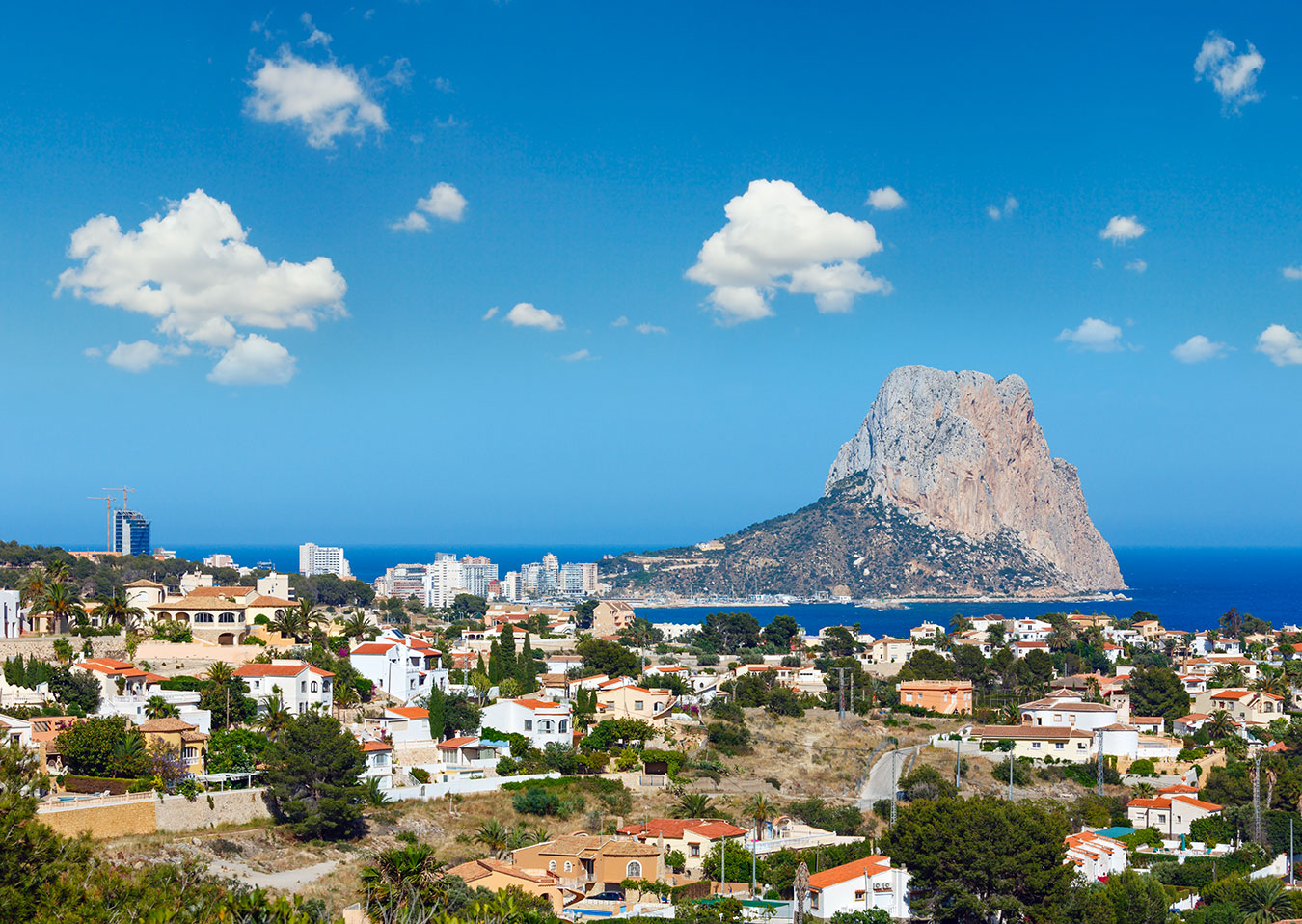
Calpe: Vernacular Architecture of the Old Town
Calpe combines a diverse architectural history ranging from traditional constructions (old town, church, and defensive tower) to internationally renowned modern and postmodern architecture, especially thanks to the work of Ricardo Bofill. La Muralla Roja, Xanadu, and El Anfiteatro are examples of how innovative design can dialogue with the Mediterranean coastal landscape and become a global…
-
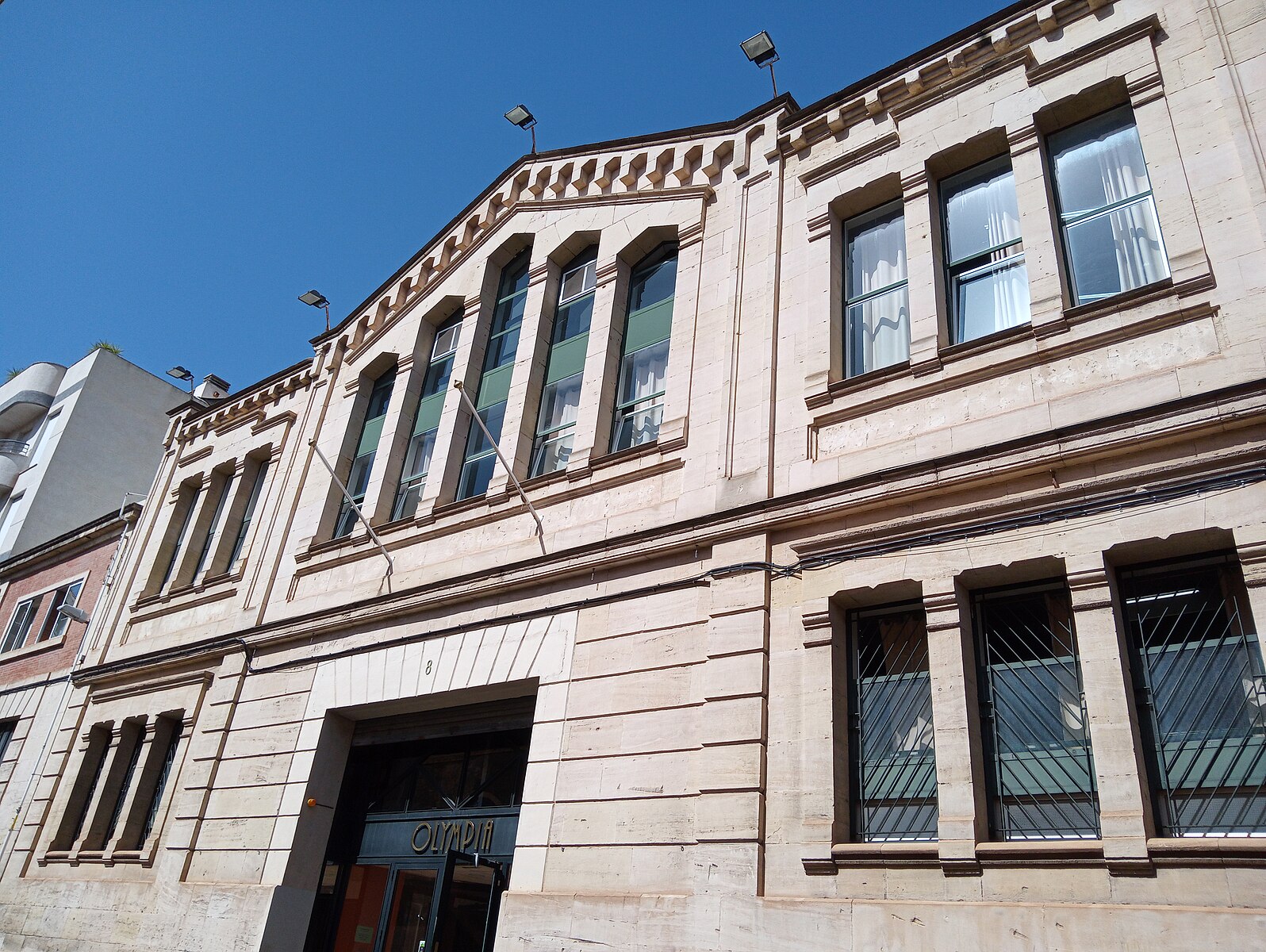
Agres Factory, Alcoy: industrial modernism, Alicante architecture
1. Introduction: a unique example of industrial heritage In the heart of Alcoy, a city deeply linked to the Valencian Industrial Revolution, stands one of the most representative jewels of early 20th century Alicante architecture: the Factory at 8 Agres Street. This building, the work of Alicante architects Vicente Pascual Pastor and José Cort Merita,…
-
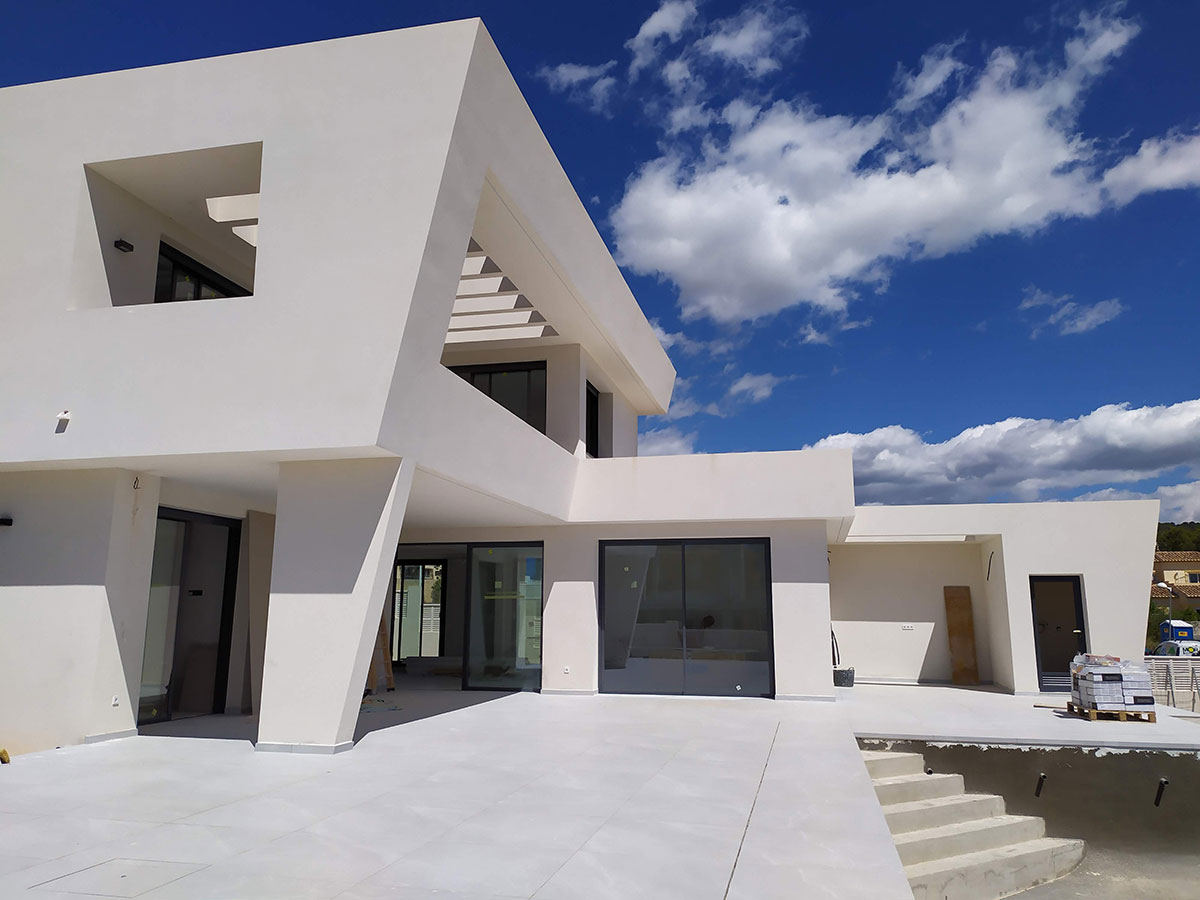
Smart Materials: The New Frontier of Living Architecture
21st-century architecture is ceasing to be a static exercise and becoming a dynamic, sensitive system. As cities grow and climate change demands more efficient responses, architects and engineers are seeking materials that not only fulfill a structural function but also actively respond to the environment, learn, adapt, and even repair themselves.Thus emerges a new generation…
-

Eco-innovative materials: the new revolution in sustainable construction
In 2025, architecture stands at a turning point. For decades, the construction sector has been responsible for more than 35% of global CO₂ emissions and an enormous consumption of natural resources. However, climate change, the scarcity of raw materials, and growing environmental awareness are driving a profound transformation: the shift towards eco-innovative materials, capable of…
-
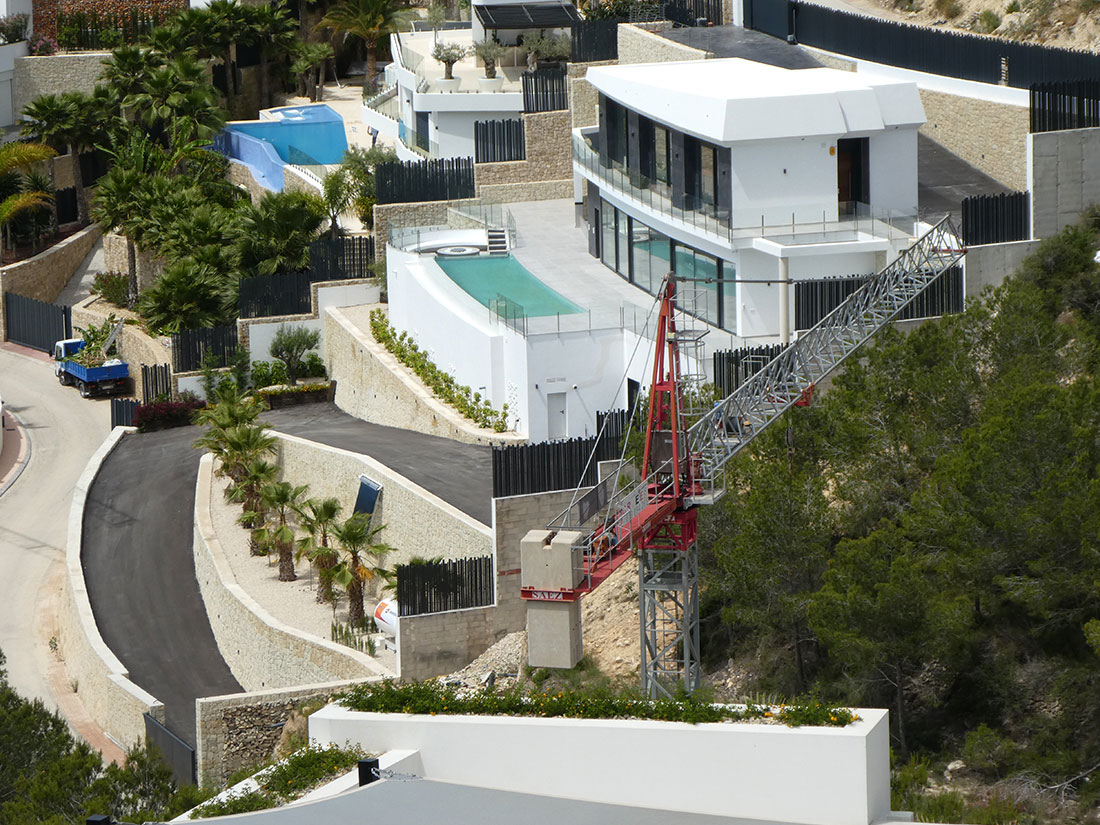
Neuroarchitecture: when space shapes the mind
For centuries, architecture was understood as the art of building beautiful and functional shelters. However, in the 21st century — and especially in 2025 — the discipline has taken a qualitative leap: it has gone from designing physical structures to designing cognitive and emotional experiences. Thus was born neuroarchitecture, a field that combines neuroscience, environmental…
-

Regenerative Architecture: A New Paradigm for a Sustainable Future
In a world increasingly aware of the urgency of addressing environmental and social challenges, architecture has begun to evolve beyond traditional sustainability approaches. One of the most innovative and promising currents in this context is regenerative architecture, a concept that seeks not only to minimize environmental impact but also to restore, revitalize, and enhance the…