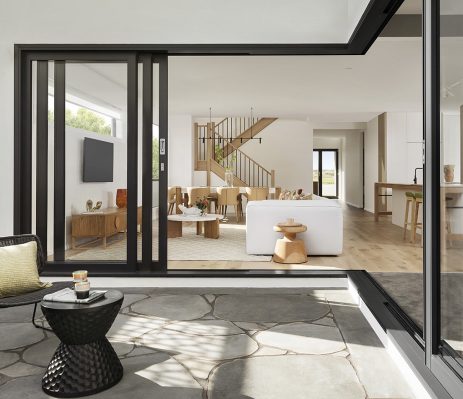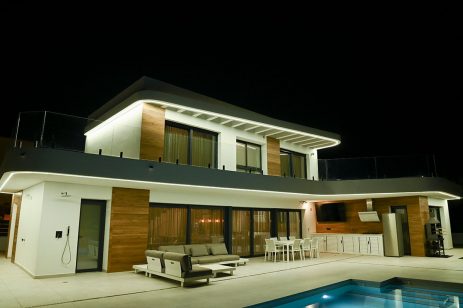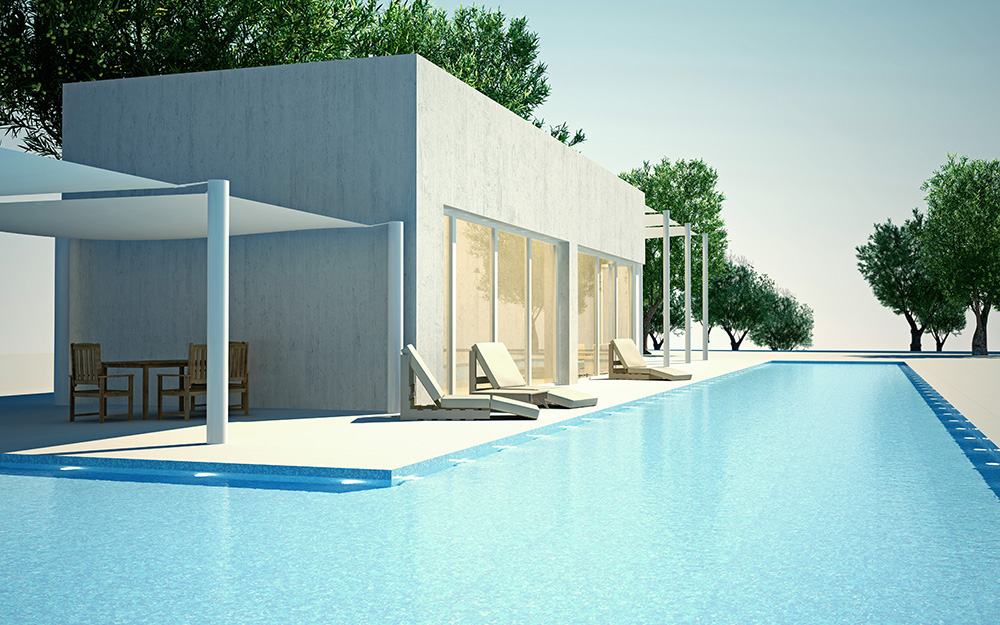
The term modern architecture encompasses a multitude of architectural styles and movements that developed throughout the 20th century. Many clients ask us for modern or contemporary designs. What they mean are simplified forms, an absence of ornamentation. Modern architecture is one of the most in-demand architectural styles today for the construction of villas, chalets, or single-family homes on the Costa Blanca. How did modern architecture begin? It meant a conscious break with classical academic composition. It left that behind to reference trends from so-called modern art (cubism, expressionism, neoplasticism, futurism, etc.). In this article, we are going to review the movements that have most influenced modern architecture.
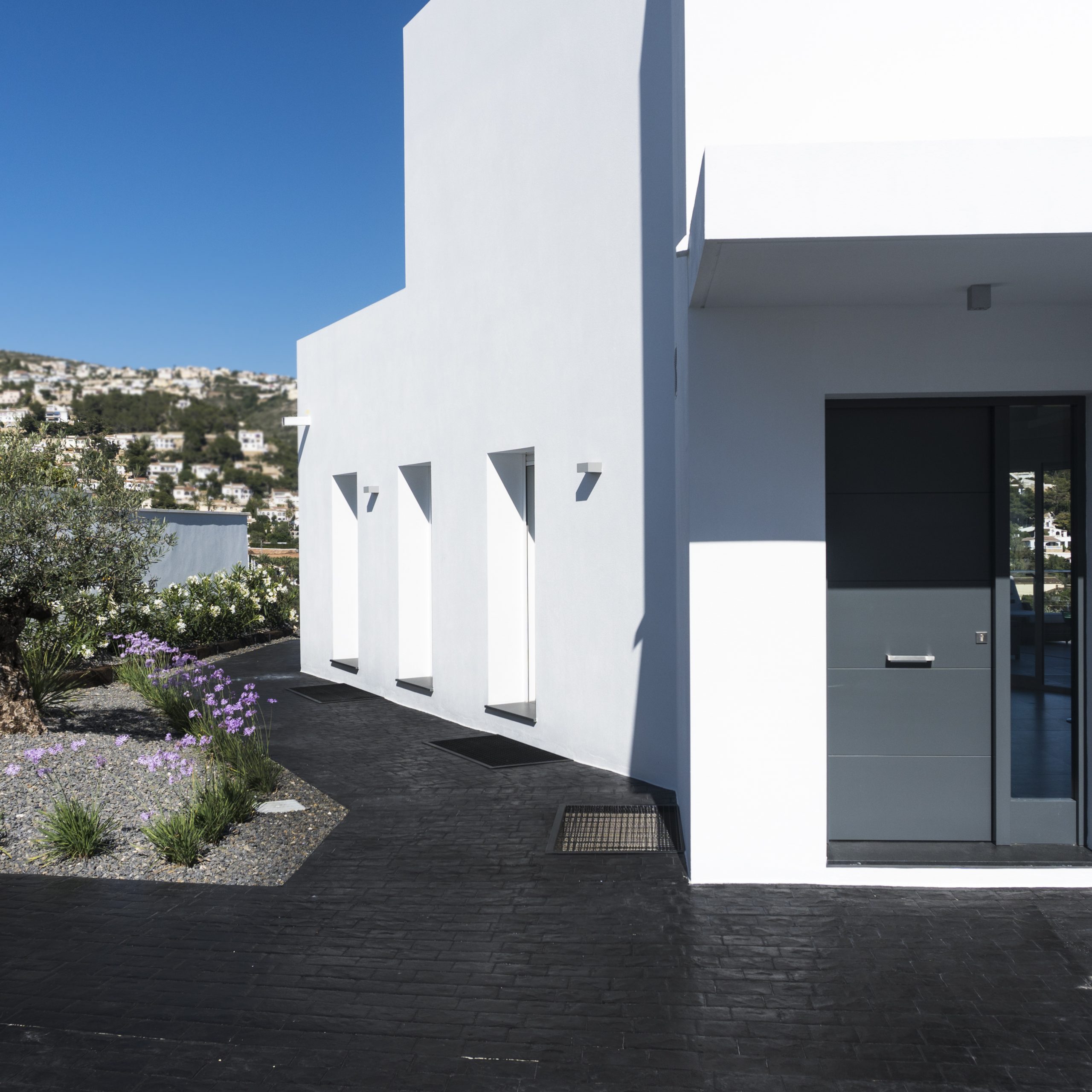
Icon of Modern Architecture: The Bauhaus Movement
The term Bauhaus originates from the German words Bau (construction) and Haus (house). It was an architecture, design, crafts, and art movement founded at the beginning of the 20th century by Walter Gropius in Weimar (Germany) and closed by the Nazis 14 years later. But its influence remains strong, and it is considered one of the movements that has most influenced modern or contemporary architecture.
What was its main premise? Functionality and the suitability and economy of materials (metal, glass, wood) above all, including aesthetics. Its intention was to reduce aesthetics and simplify them in favor of functionality. The Bauhaus School brought about the radical modernization of design. Based on this premise, its designs started from simple geometric figures as a basis for any scheme or work.
Constructivism: Russian Architecture
A movement that combined Russian Futurist influence and technological innovation, which also emerged at the beginning of the 20th century and lasted for its first three decades. It coincides with the Bauhaus movement in the rejection of merely decorative aesthetics in favor of industrial, technological designs that serve their purpose, resulting in abstract geometric forms.
Minimalism: Ornamental Simplicity
The minimalist movement arose from the evolution of the Bauhaus movement in the second decade of the 20th century. The minimalist style includes pure geometric forms, smooth materials, repetition, and clean lines. Simple designs without ornamentation or decoration. One of its best-known representatives is Mies van der Rohe, known not only for his building designs but also for having created some of the most iconic furniture in history, such as the Barcelona Chair.

Metabolism: Japanese Architecture
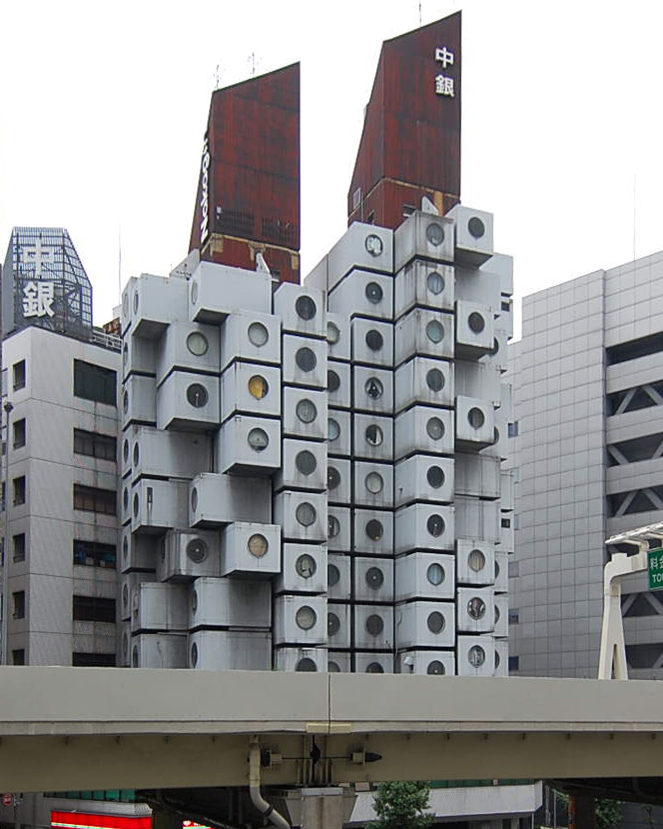
It was a Japanese post-war movement that followed the belief that buildings should not be static but rather entities in constant change, like the organic metabolism of cells. Characteristics include modularity, prefabrication, adaptability, and solid central infrastructures. Metabolic design bases the structure on a backbone with prefabricated and replaceable parts. They believed in a profound influence of space and functionality on the society and culture of the future.
Arquifach: Architecture Studio Altea
If you are thinking of building a custom home on the Costa Blanca, contact Arquifach, Moraira architecture studio. Count on a great team with over 40 years of experience.