
Tag: architects in alicante

  • Architecture Alicante: Obtaining the energy certificate of your home

    Architecture Alicante: Obtaining the energy certificate of your home

    Obligatory nature of the energy certificate

    If you are thinking of selling, buying or renting a property, please note that a regulation was established by the Ministry of Industry, Energy and Tourism as of June 1, 2013, which mandates the energy certificate, which is a report that contains several energy aspects of the property, specifying its consumption.

    The content of this report is summarized in a label of energy efficiency similar to those of electrical appliances. It should be mentioned that if the person who wants to do the operation does not have the certificate will be legally punished through the payment of fines ranging from 300 to 6,000 euros.

    However, there are exemptions for some dwellings such as: monuments, religious places, buildings under two years old, non-residential building areas, non-residential parts of buildings, homes with less than 50 m2, buildings used in industry or agriculture and buildings with less than 4 months of use.

    How to obtain the energy certificate

    For this reason, these are 5 simple steps to follow in order to obtain the energy certificate of your home

      1. Find a qualified technician.
        The Energy Certificate must be drafted by a trained and authorized personnel. The choice of the company of professionals to hire is left to the user’s authority. To this end, each community has a competent body where the user can go and being provided with the registration of authorized technicians to perform the certification. For example, in Madrid the accredited body is the Ministry of Industry, Energy and Mines as well as the Association of Engineers where there is a list of certified personnel.
      2. Ask the technician for a quote and an appointment.The cost of the Energy Certificate is not legally established, but is calculated according to the supply and demand existing in the market in that period. This situation has led to inconveniences because technicians sometimes request an amount of money for carrying out a positive certification or simply do not charge under the condition that the recommendations in said certification are made by them.
        That is why it is necessary for each community to apply the necessary controls to identify inconsistencies in the report. These errors are informed to the home owner who will have a stipulated period of time to make the corrections or relevant allegations to change the rating. If you get a good rating from the technical staff, your house will be revalued.
        Therefore, before requesting an appointment to the technician, check several budgets to choose the one that best suits you, and then request an appointment for the dwelling to be inspected. But an average a cost of 250 or 300 euros is stipulated, depending on the size of the property.
      3. Inform the Autonomous Community about the certificate.After the technician drafts the Energy Certificate report, you must inform the competent body in your area in order for the Regional Government to review it and subsequently validate it. The Regional Government is in charge of controlling that both the previous evaluation and the rating were correctly carried out.
        This action can be taken personally or by another person. It is worth mentioning that each community has established fees that must be paid off to be executed.
      4. Obtain the registration number.After a few days (2 or 3 working days) the energy label is obtained which shows a summary of the Energy Certificate, specifying the rating obtained regarding the efficient and rational use of energy in the house through a scale that goes from A (best performance) to G (worse performance) as well as a color that distinguishes them. Likewise, the label contains the assigned registration number. That is, the house is certified and registered in the competent body.
        Autonomous communities must create a registry with the properties and their rating, assigning each one their registration number. It is worth noting that the Energy Certificate is valid for 10 years renewable and users can request to update if the energy rating is to be changed due to any restoration made in the house.
      5.  Announce the Energy CertificateAccording to the legal regulations, the label obtained must be included in any advertisement or publicity that is made for the purpose of selling or renting the property either by the user or real estate agencies.

    Follow all these steps and you can quickly and easily obtain your energy efficiency certificate through which you can perform any purchase, sale and rental of the property.

    Arquifach: Architectural Studio in Alicante, takes charge of your project

    Contact Arquifach, architectural studio in Alicante, without commitment. It has overall services in the construction of new single-family homes or tourist apartment buildings. It has the support of a specialized team on the Costa Blanca. Arquifach covers the entire project: its design, construction, planning, pathology reports, assessments and general advice.
  • Architectural Studio Alicante: Recommended insulation for chalets in costa blanca

    Architectural Studio Alicante: Recommended insulation for chalets in costa blanca

    Why choose Alicante, Costa Blanca

    Costa Banca is a privileged spot because it is located in the southeast of Spain, specifically in the province of Alicante, whose geographical and climatological characteristics attracts both for residents and tourists. Its wide coast and mild weather with dry season make it an ideal destination. In addition to this, it has an average annual temperature of 17.8º.

    Alicante weather factors

    It should be emphasized that because it is a coastal area, temperatures are mild in the winter and warm in the summer, and rainfall is low. One of the key climatological factors of the area is its humidity which extremely varies throughout the year, being the period of highest humidity between June and October; that is four months approximately.
    The climate variability between humidity and dry weather existing in Alicante and in general all over Costa Blanca affects both its home structures, due to the fact that the materials weaken resulting in the appearance of cracks or fissures, and its inhabitants’ health.

    Prepare your home

    Therefore, people should check if their houses are prepared to resist these weather variations, especially humidity, in order to minimize the possible consequences, because these times are beautiful as long as you are in a safe and warm home.
    One of the consequences of poor isolation is the high heating costs to be paid in order to regulate the temperature of the home, which implies a higher energy consumption. Likewise, having to withstand the various external factors of the environment such as street noise, the entrance of dust, humidity, as well as temperature changes. Apart from damaging home structures, all of these factors end up affecting people’s health.

    Consequences of poor isolation

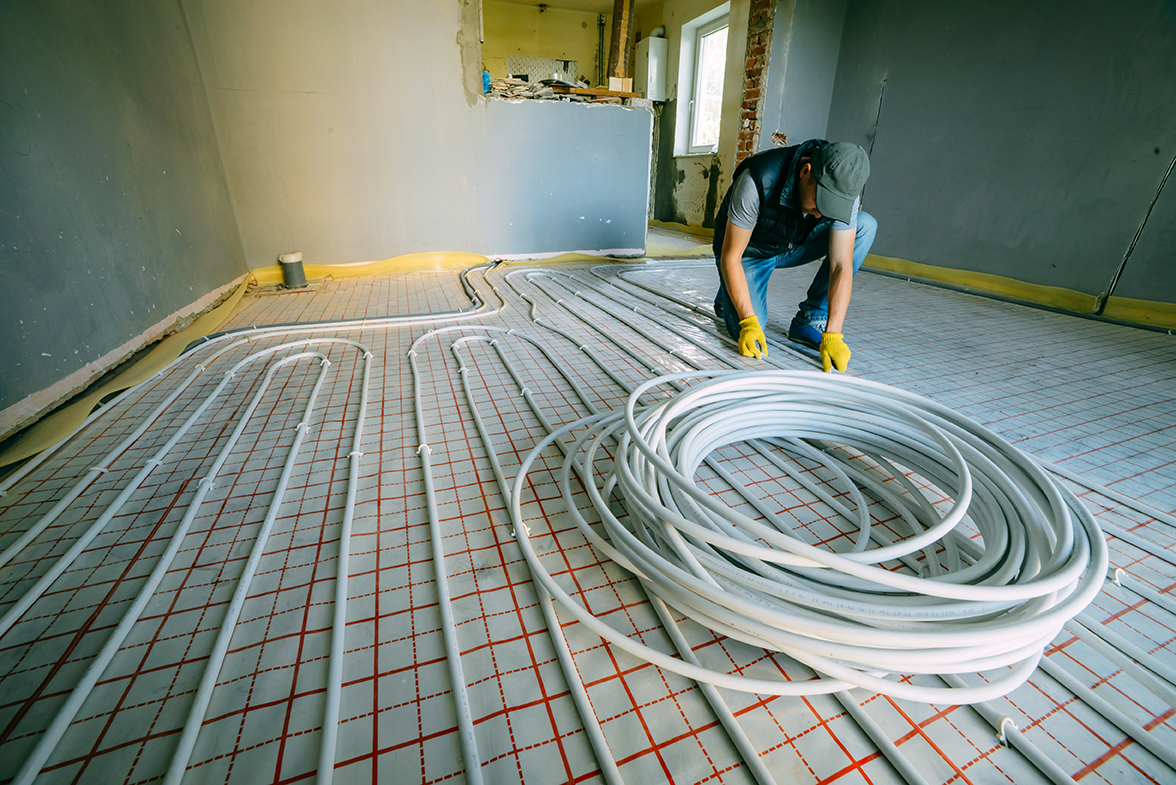
    To avoid this, several insulating materials and insulation techniques are currently used and adapted to the client’s needs, the climate zone in which houses are located and the type of surface to be insulated. Therefore, it is necessary to ask for advice to architects and/or construction personnel who make a diagnosis by checking the areas of the house, such as: the roof, enclosures, doors, floors and windows and by choosing the right material and method to achieve a better comfort. It should be noted that windows, doors and enclosures are considered the easiest ones to isolate because they can be sellotaped to prevent any external agent from entering.

    Optimum insulation: materials and techniques

    In short, a chalet with a good level of insulation enjoys a better energy benefit, because the use of artificial methods to regulate temperature is minimal, which brings both money and energy savings.
    For this reason, Alicante architects recommend to use high thermal resistance materials or insulators for constructions in the area. In other words, materials that protect us from temperature variations and external factors. Old buildings or those lacking adequate insulation should be improved by properly insulating their areas (roof, wall, floor, window, doors) by means of a material that has a lower conductivity and a high resistance in order to provide thermal and acoustic protection against humidity and allow money and energy savings.

    Benefits of optimal insulation

    Based on the aforementioned facts, the optimal isolation in the design of a home in Alicante and in general throughout Costa Blanca is an essential decision, given the weather conditions of the area and the advantages it has for both infrastructure and quality of life. This optimum insulation is possible when maximum protection is achieved through the appropriate materials and techniques. Whether in the case of a chalet lacking any type of insulation because it was built a long time ago or a chalet requiring some improvement, people should invest in an optimal isolation that provides them with adequate protection. It should be noted that said investment will be returned over time because energy consumption costs will be lower and it will also become an environmentally-friendly investment. Likewise, the comfort of a warm house free of external factors that disturb your tranquility makes any investment is minimal.

    Arquifach: Architectural Studio in Alicante, takes charge of your project

    Contact Arquifach, architectural studio in Alicante, without commitment. It has overall services in the construction of new single-family homes or tourist apartment buildings. It has the support of a specialized team on the Costa Blanca. Arquifach covers the entire project: its design, construction, planning, pathology reports, assessments and general advice.

  • Alicante architectural studio: flooring types

    Alicante architectural studio: flooring types

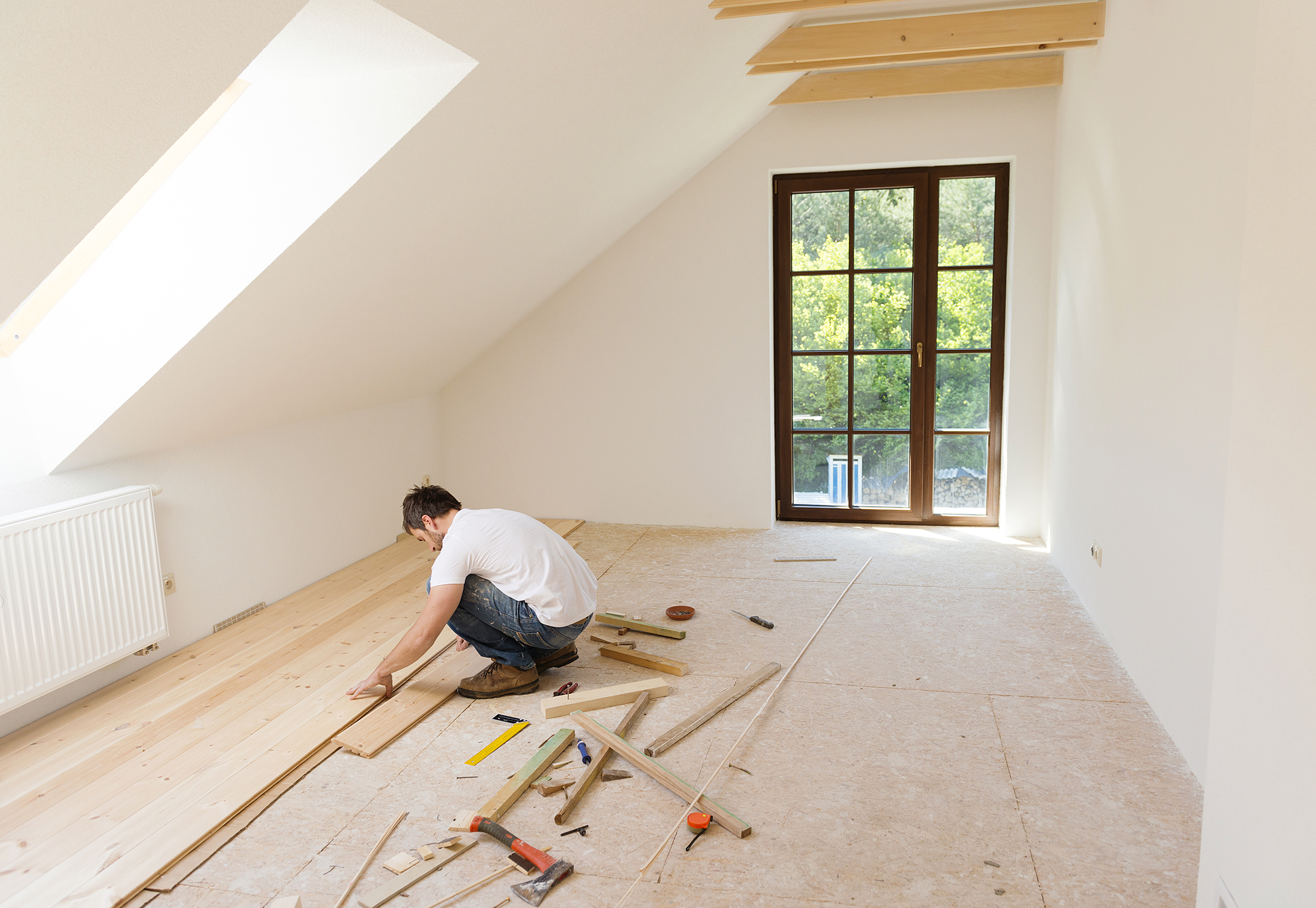
    Choosing the materials to renovate a house is key for it to meet our aesthetic and functional needs. Therefore, this week we will deal with the best materials that can be chosen in relation to floors. Whether it is a house to be built or one to be renovated, there are different types of floors to consider.

    If it is a house is old, it is logical that the existing pavement has become obsolete both from the aesthetic point of view and the functional point of view. Nowadays, there are much more resistant flooring materials with much better properties and finishes than those existing a few years ago, even in the case of materials that were already made a long time ago, such as the stoneware…

    Choosing flooring types

    It is very normal that while living in one’s own chalet or when buying a second-hand one, there is a need to carry out interior refurbishment works that include changing finishing materials and facilities.

    To make a suitable choice we must start off from the style of the chalet, whether rustic, Mediterranean or modern. It is also necessary to distinguish between wet areas: bathrooms, kitchen, etc., and dry areas: bedrooms, living room, etc. And, of course, differentiating between the interior of the house or outside: the pool terrace area, the barbecue area, etc.


    The different flooring types available in the market can be classified as follows:

      • Ceramic flooring:

    type of clay or stoneware depending on the cooking degree of the piece and the used material. These are the most commonly used floors in construction, especially stoneware, mainly because its value for money.

      • Porcelain flooring:

    used in the highest quality homes and ideal for areas where the most rigorous technical specifications of hardness, high resistance, low porosity and minimum water absorption are required. Also, this type of floor has excellent aesthetic qualities. There are different manufacturing and finishing processes, allowing pieces up to 3 m long. The porcelain floor is more expensive due to both the material itself and the complexity of its placement.

      • Vinyl flooring:

    It is easy to clean and resistant tot humidity and water. It is also comfortable to replace and place on other existing pavements, if we want to do little work. It is a thermal insulator and its Improper use can affect you and look less natural than the floors it imitates.

      • Smooth Concrete or Micro Concrete Flooring:

    It is a very modern and easy maintenance option in addition to being very resistant on which drawings, shapes and colors can be designed at will. A proper work not only provides good designs and finishes, but also greater resistance avoiding easy wear and tear.

      • Natural stone flooring:

    Such as marble, travertines, slate, quartzite, granite, sandstone, limestone, etc. There is a great variety of qualities and characteristics, such as strength, hardness, porosity, texture, softness, color, etc. Their beauty is practically inimitable beauty whereas its price and placement can be among the highest.

      • Terrazzo Flooring:

    It is a conglomerate hardened with pieces of marble crushed and colored with pigments of varied nature, subjected to a vibration and prestressing process for great compactness and resistance to wear. Despite being very inexpensive, they are not usually used nowadays because they are considered outdated.

      • Wooden pavements:

    There are two types: parquet or floating platform which are very demanded today. Despite their warmth, their maintenance is very demanding because they scratch very easily and are susceptible to deformation and deterioration by moisture. We discourage its choice for high-traffic areas.

    Flooring your chalet

    Professional advice is required according to the needs of each chalet. Some of the mentioned flooring types require a great professionalism for their placement, using techniques and special glues for their fixation. Therefore, it is essential that any reform be done by qualified professionals who can advise the client.

    Arquifach Alicante Architects takes charge of the renovation of your chalet on the Costa Blanca

    Contact Arquifach, Alicante architectural studio without commitment. We study the feasibility of your project and offer advice on the renovation of new detached homes or tourist apartment buildings on the Costa Blanca supported by a specialized team. Arquifach deals with all the process and planning of the reform adapting it to the needs of the client and complying with the municipal regulations.

  • Arquifach, architectural studio in Alicante, advises: legal and tax considerations in the purchase of a second-hand house on the Costa Blanca

    Arquifach, architectural studio in Alicante, advises: legal and tax considerations in the purchase of a second-hand house on the Costa Blanca

    There is a wide range of plots and land to build a villa on the Costa Blanca. But it is also possible to buy a second-hand plot that meets our needs. It is necessary to think that most of the plots with the best views, position and accesses are already built and occupied by chalets that in most cases are more than 25 years old. This type of plots allows us to demolish the existing building to make a new or comprehensive reform to modernize the home and adapt it to our needs.

    There are several aspects to be taken into account when making a decision to buy a second-hand construction:

    1. The legal aspect: regarding the possible encumbrances and easements the property might have, such as the ownership of the property.
    2. The urban aspect: it means that there is no open file in the town hall against that property and other points to consider related to the urban planning.
    3. The tax aspect must be controlled: all the receipts of the IBI (Real State Tax) are paid, who is the owner in the cadaster, as well as other data referring to surfaces and boundaries.
    4. Finally, the construction aspect is important, since the state of the house must be known at least for the purposes of foundation, structure and rainwater problems. It would be convenient to clarify other aspects related to the state of the construction to be purchased. In addition, currently all homes for sale on the market must legally have and submit the Energy Performance Certificate to be able to write a deed on them.

    The importance of documentation

    Normally, a second-hand property is bought through a real estate agency or an intermediary. In general, they have prepared a series of documents regarding the house conditions. Otherwise you must provide them before proceeding to make any firm contract.

    On the one hand, you have to request a simple note from the Land Registry to know the state of charges of the property. When the deed is signed, this information from the Land Registry must be electronically requested by the Notary and updated on the same day that the deed is signed so as not to have any last-minute surprises. Let’s suppose that at the beginning of the negotiations the seller’s representative brings a briefing note of the record where there is no charge on that property. If the negotiation lasts a few months, the seller could theoretically put a mortgage on the property, creating a burden on said property. If the aforementioned is carried out, this danger will no longer exist since the information obtained is from the same day that the deed of purchase-sale is signed.

    Therefore, the submission of the briefing note of Land Registry by the seller is a starting point that informs us about the situation at that moment of the beginning of the talks. It should be said that the Land Registry is public and that anyone can go to the corresponding offices existing in the town, or near it, where the property for we are interested in is located and request a briefing note alleging interest in the subject, for example: a possible purchase.

    Regarding ownership, there are cases in which the seller is the owner of a private purchase-sale contract, but the registered owner is another. It may also be the case that the seller does so with a power from the registered owner. It would be convenient to verify that this private contract or the power of sale are in force. It is also much better for the real owner is part of the signing of the initial private contract, since at the time of signing the deed, the Notary must make all the necessary verifications to be certain that the one signing as a seller can do it.

    It must be verified that the home surfaces detailed in the deed, and therefore in the Land Registry, correspond to reality. It is normal that the owner of a villa has made extensions over the years and has not declared them, which may have tax implications at the time of fixing the price of the construction because it is not the original of the statement of New Work as of the value in the IBI since less square meters are being paid.

    Arquifach, architectural studio in Alicante, advises you on the purchase of your home

    Contact Arquifach, architectural studio in Alicante, without commitment. It has comprehensive services in the reform of second-hand homes and the support of a specialized team on the Costa Blanca. Arquifach covers the entire project: its design, construction, planning, pathology reports, assessments and general advice.