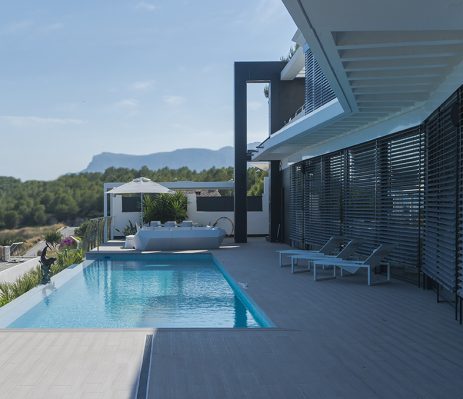
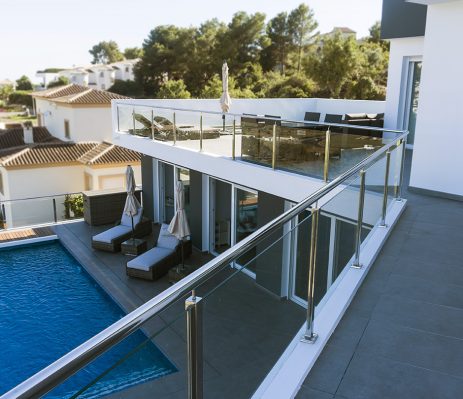
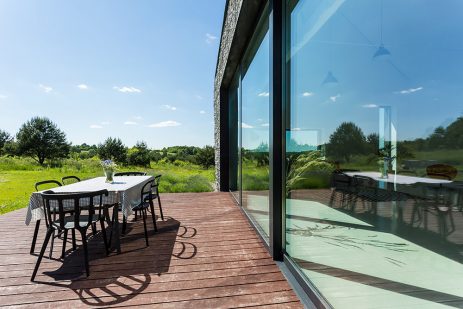
The International Style, also called Rationalism, was the predominant architectural trend between 1925 and 1965 and was responsible for the homogenization of various cities around the world.
How did international contemporary architecture emerge?
After the First World War, the West energetically oriented itself towards industrialization and mechanization, and architecture was not a discipline alien to these processes. This is how trends emerged that relied on new technologies to obtain cheaper, faster-to-produce materials and, ultimately, more utilitarian projects. In Europe, this movement would be called Functionalism and it is the germ of what would later be known as the “International Style”.
Despite everything, the true rise of the International Style was due to the fact that after the Second World War, many cities were devastated by the war. That is when the International Style hatched as a quick and cheap option to return life to cities. Because of all this, its popularity spread throughout the world, becoming the “unofficial” national architecture of all of North America during the 50s and 60s of the last century.
Precisely its enormous success precipitated its fall from grace throughout the 70s, since becoming such a popular style made one city indistinguishable from another. The International Style was accused of eliminating the personality of communities and locking individuals in glass boxes. At the end of the decade, the International Style was replaced by postmodernism.
What does international contemporary architecture consist of?
The International Style emphasized above all the volume of space but allowing the passage of natural light through windows that created a blurred line between the exterior and interior of the building.
As we have already commented, one of the basic pillars of international architecture consisted of the use of cheap and functional materials, so concrete, steel and glass were the most predominant in this architectural style.
Similarly, geometry, right angles and uniformity became the norm, dispensing with decorations to focus on simple, generally monochromatic facades in natural colors or white.
The environment became another extension of the buildings, in which the structural elements of straight lines contrasted against the curvilinear forms of nature, as Le Corbusier commented: “Space, light and order. These are things that men need as much as bread or a place to sleep.”
What are the most famous buildings of the International Style?
Notre Dame du Haut in Ronchamp, this chapel located in France is considered one of the most significant examples of International Style architecture. This building, in which Catholic worship is still carried out today, perfectly fulfills the five points for the new Architecture of Le Corbusier:
- Pilotis
- Free design of the ground plan
- Free design of the facade
- The horizontal window
- Roof gardens
The German Pavilion. Designed by Mies Van der Rohe to represent Germany at the 1929 International Exposition in Barcelona, it became an icon of international architecture. Conceived to host the reception for the exposition authorities, it was built using classic modernist materials such as steel and glass combined with different types of marble.

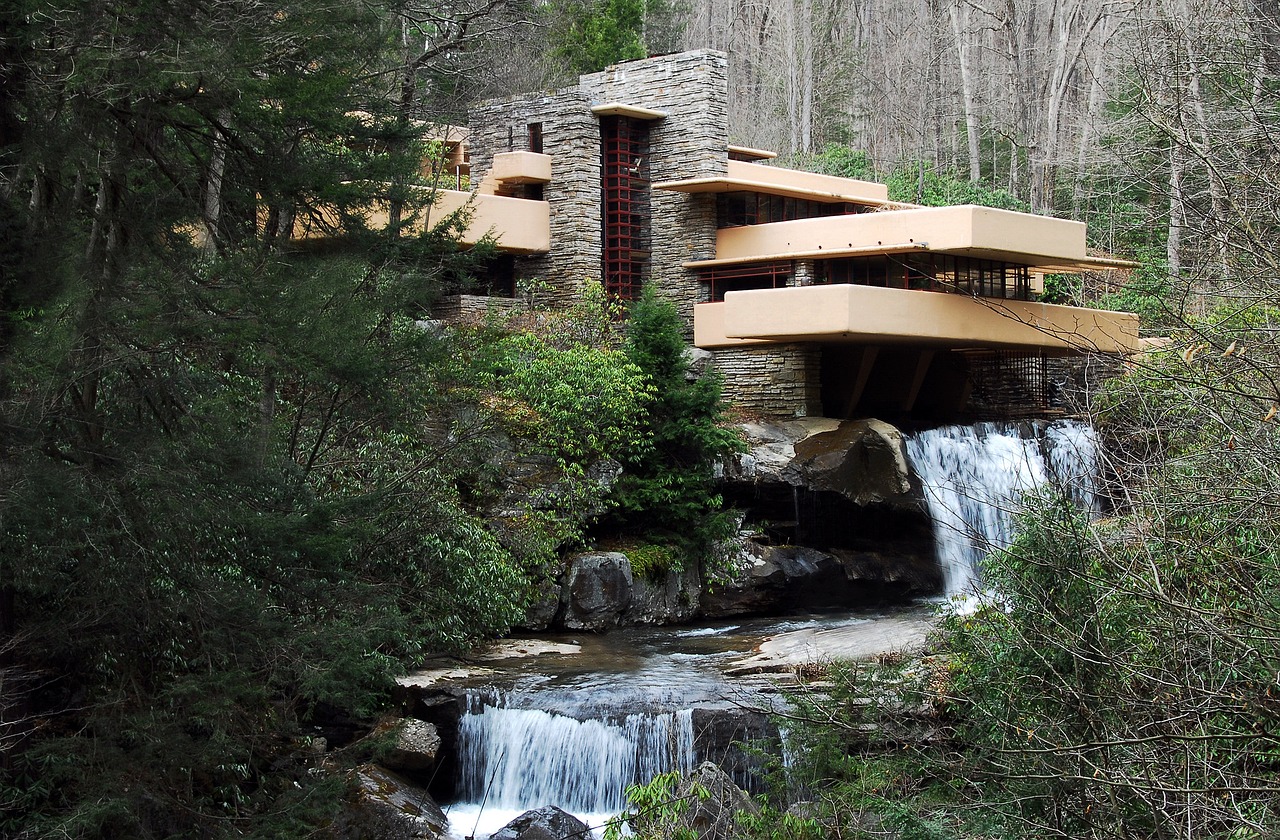
Fallingwater. This house, designed by Frank Lloyd Wright in 1939, is situated above a waterfall on the Bear Run river. Its construction created a new paradigm in which the relationship between architecture and nature was reconsidered.
Characterized by its structure of three horizontally superimposed levels, it stands out for its symbiosis with the surrounding natural environment.
The importance of surrounding yourself with good architects: Arquifach
Building a home is a process whose success depends on many factors. The best way to ensure it is to count on architects who offer guarantees. A guarantee that is based on experience. It is important to choose an architecture studio that guides you throughout the process from the initial design to the delivery of the final documentation to inhabit the house, that has experience in the area and qualified personnel to carry out the comprehensive management of the project, but above all that designs according to your needs and expectations.