Author: cristo

  • Contemporary Architecture: Definition and Characteristics

    Contemporary Architecture: Definition and Characteristics

    Contemporary architecture is a term that refers to the architecture developed from the mid-20th century to the present. It is often associated with modern and postmodern architecture, characterized by the use of advanced materials and technologies, functionality, and simplicity of forms.

    What does contemporary architecture consist of?

    Contemporary architecture focuses on creating buildings that reflect the needs and desires of today’s society. Therefore, great attention is given to sustainability and energy efficiency, as well as the incorporation of advanced technologies and innovative solutions in design.

    Additionally, contemporary architecture is characterized by the exploration of new shapes, materials, and construction techniques, leading to the creation of bold and avant-garde buildings. The aim is to design structures that are not only practical but also beautiful and exciting.

    Characteristics of contemporary architecture

    Contemporary architecture is distinguished by a series of traits and features that set it apart from other previous architectural movements. Some of the most notable characteristics include:

    • Use of innovative materials: contemporary architecture employs cutting-edge materials and construction techniques, such as glass, steel, reinforced concrete, aluminum, and other synthetic materials.
    • Functional design: building design emphasizes function and efficiency. Structures are conceived to meet the needs of their users and environmental conditions.
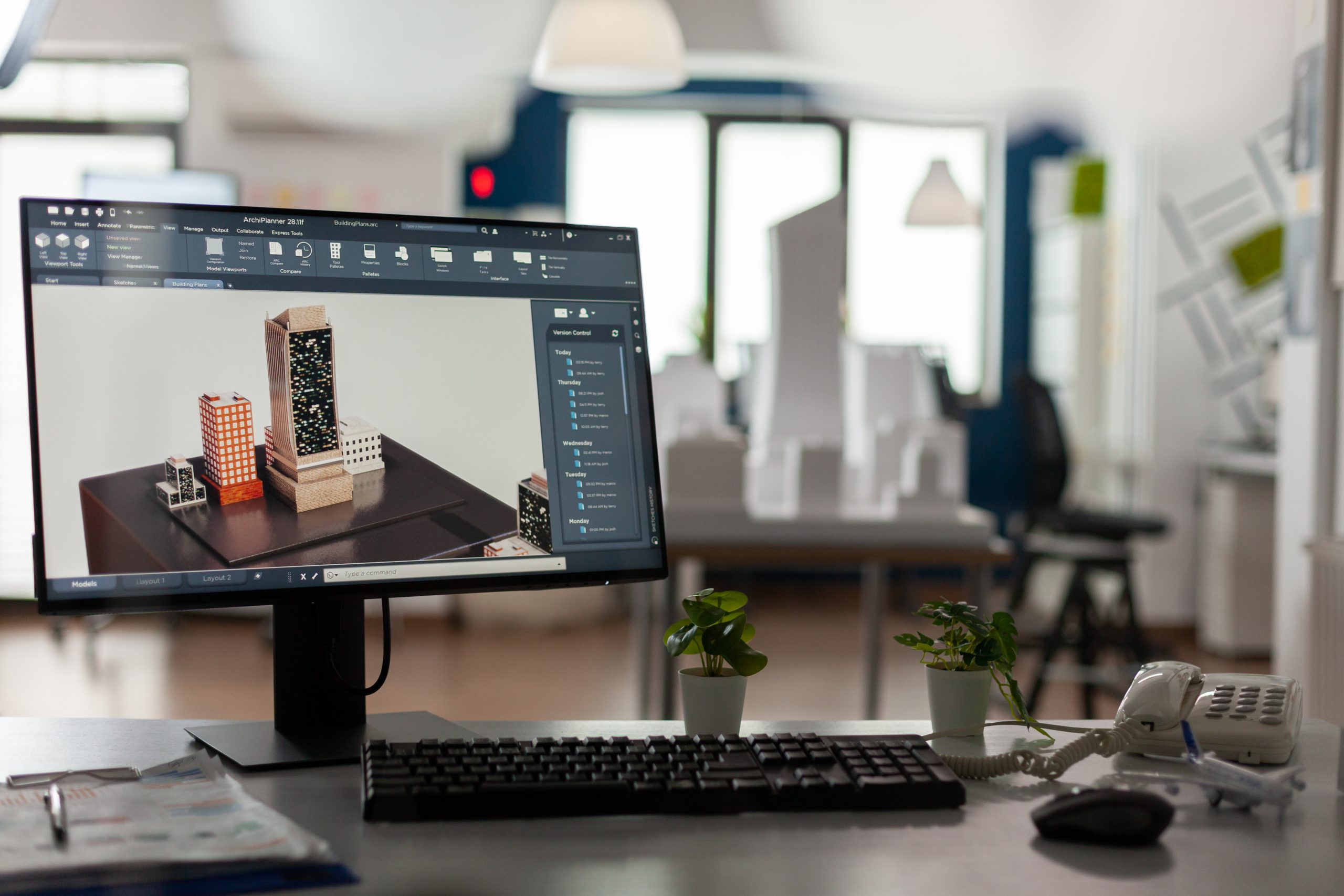
    • Use of advanced technology: technology is a fundamental part of contemporary architecture. Architects utilize advanced tools, such as 3D modeling software, to design and construct their buildings.
    • Sustainability: contemporary architecture pays close attention to sustainability and energy efficiency. Buildings are designed to minimize environmental impact and reduce energy consumption.
    • Bold and daring forms: it features daring, avant-garde designs that explore new shapes and construction techniques.
    • Interaction with the environment: contemporary buildings often integrate with their surroundings, whether in terms of landscape, climate, or local culture.
    • Flexibility: modern buildings are designed to be adaptable and flexible for different uses and needs over time.

    In summary, contemporary architecture is an architectural movement focused on innovation and functionality, utilizing advanced materials and technologies, with an emphasis on sustainability and bold, avant-garde design.

    Examples of contemporary architecture

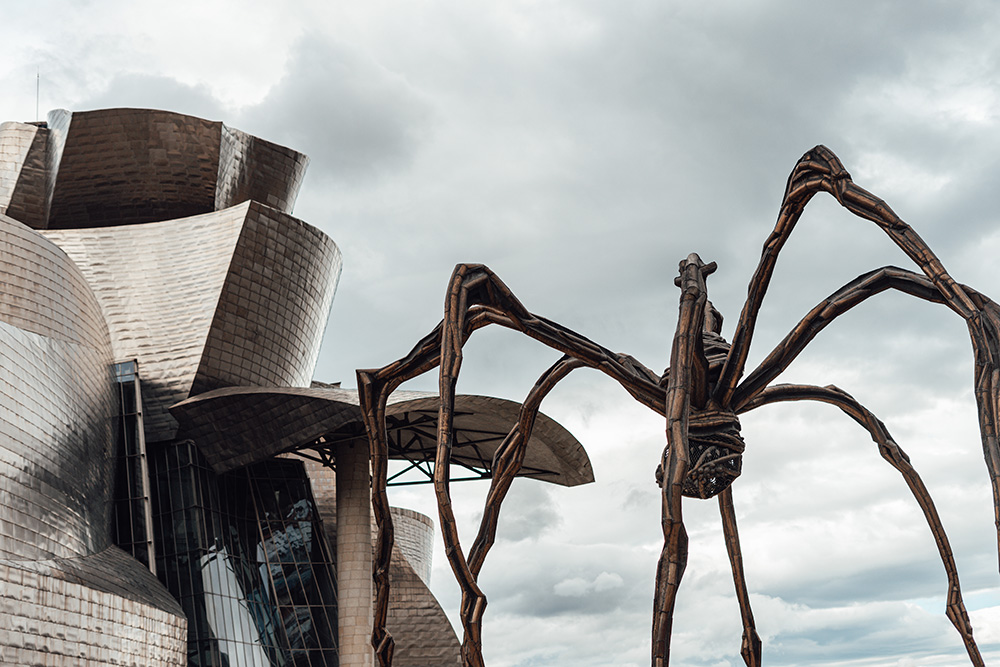
    Some notable examples include Frank Gehry’s Guggenheim Museum Bilbao:

    Contemporary Architecture. Guggenheim Museum Bilbao

    Arquitectura contemporánea. museo guggenheim de Bilbao

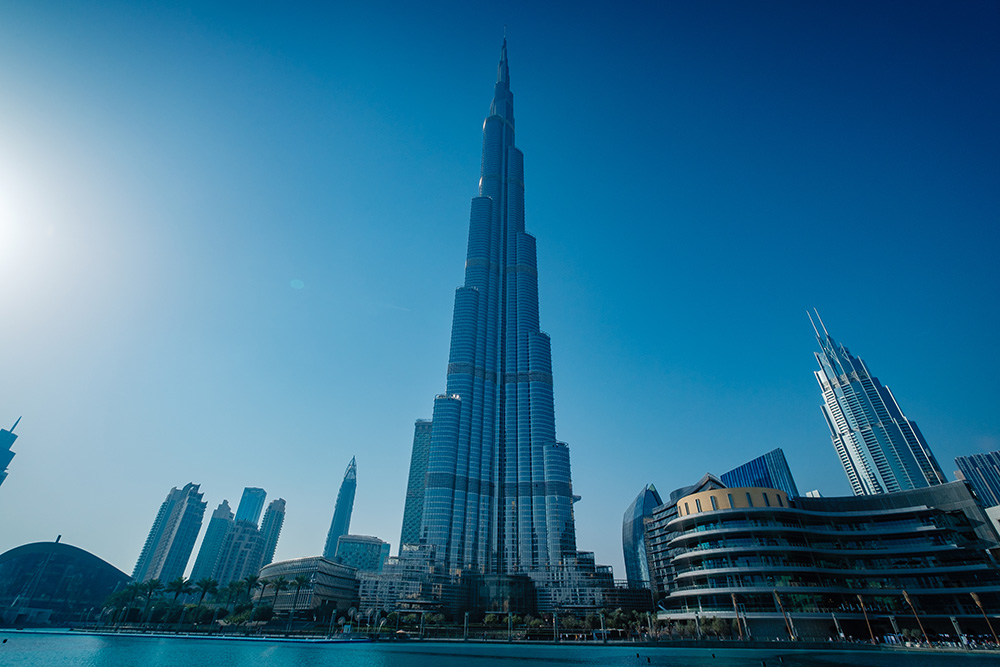
    Adrian Smith’s Burj Khalifa:

    Arquitectura contemporánea. Burj-Khalifa

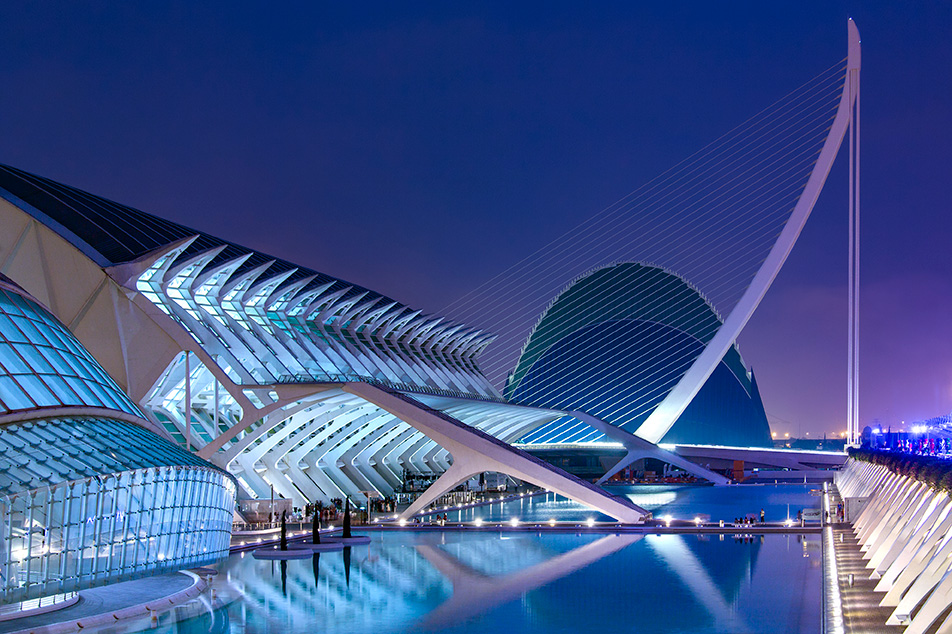
    Santiago Calatrava’s City of Arts and Sciences:

    Arquitectura contemporánea. Cuidad de la Artes de Calatraba.

    Contemporary Architecture. City of Arts and Sciences by Calatrava. Overall, contemporary architecture has become a constantly evolving art and design form that continues to challenge the boundaries of what is possible.

  • Are you thinking about purchasing a property in Spain as a foreigner?

    Are you thinking about purchasing a property in Spain as a foreigner?

    Purchasing a property in Spain as a foreigner is a big step that can often be overwhelming if you’re not familiar with all thepaperwork and procedures you need to complete before and after getting your dream home. Don’t worry! At Arquifach architecture studio, we’ve created this comprehensive guide to help you navigate this process as easily as possible.

    1. You must obtain a Foreigner Identification Number (NIE)

    When purchasing a property in Spain, you must obtain a tax identification number (or NIE). This number is required for any financial transaction in Spain, and purchasing property is no exception. To apply for one, simply go to the Immigration Office or the police station closest to your place of residence.

    2. Open a Bank Account in Spain

    Although this step is not strictly necessary. At the Arquifach architecture studio, we believe it’s highly recommended to open a bank account in Spain. This will make the payment and financial management process related to the property purchase much easier.

    3. Research the Real Estate Market

    Before making a purchase, it’s always advisable to research the real estate market in the area where you want to acquire the property. As Arquifach is an architectural studio with a long history of working on the Alicante coast, we have extensive experience forecasting and analyzing the economic potential of the Costa Blanca, so we will be happy to provide you with personalized advice. However, as a general rule, we encourage you to consider factors such as location, prices, market trends, and potential appreciation. If you need more information, you can find more details here.

    4. Hire Legal Advice

    At our architectural studio, we believe it is essential to have the advice of a lawyer specializing in real estate law. This way, we can be sure that all legal aspects of the purchase are in order and that your interests as a foreign buyer, who is often unaware of Spanish real estate laws, are protected.

    5. Make a Purchase Offer

    Once you find the property that best suits your needs, whether it’s a plot of land, a house to renovate, or a new construction project, it’s time to make a purchase offer to the seller. If your offer is accepted, you will proceed to sign a deposit or reservation contract, which will establish the terms of the purchase. Before formalizing the purchase, it is important to conduct a legal and technical investigation of the property to verify its ownership, legal status, associated debts, and any potential structural or infrastructure issues. Arquifach’s extensive experience as an architectural firm in Calpe allows us to conduct these studies and assess any necessary renovations in the most effective way possible.

    6. Signing of the Purchase Agreement before a Notary Public

    Once the investigation is complete and all doubts are resolved, if both parties are satisfied with the results, the purchase agreement will be signed before a notary public. This is the moment when the agreed payment will be made and the property will be transferred to your name.

    7. Payment of Taxes and Purchase Expenses

    As everyone knows, the acquisition of a new property entails a series of legal obligations, and Spain is no different. Therefore, you will have to pay a series of taxes and associated expenses, such as the Property Transfer Tax (ITP) or the Value Added Tax (VAT). The amount will depend on the type of property and its location. 8. Registration in the Property Registry: Once the purchase is formalized, it is necessary to register the property in the Property Registry to ensure legal security and confirm your status as the legal owner. 9. Enjoy Your New Property in Spain: Once all the necessary procedures are completed, all that’s left to do is enjoy your new property in Spain and everything this wonderful country has to offer.

    Remember that this guide provides an overview of the procedures required to purchase a property in Spain as a foreigner, but each situation is unique. That’s why, at the Arquifach architectural studio, we are happy to put our years of experience in the Costa Blanca real estate market at your disposal to find the solutions that best suit your individual situation. Don’t hesitate! Your dream home awaits you on the Costa Blanca.

  • Architecture Trends in 2025: Innovation, Sustainability, and Technology at the Service of Design

    Architecture Trends in 2025: Innovation, Sustainability, and Technology at the Service of Design

    The world of architecture is constantly evolving, reflecting technological advances, environmental concerns, and social needs. By 2025, these forces converge in a unique way, giving rise to an architectural landscape characterized by innovation, sustainability, and an increasing integration of technology into the creative process. In this article, we will explore the most prominent trends that will define architecture in 2025, anticipating a future where design is not only aesthetic but also responsible, intelligent, and adaptive.

    1. Regenerative Architecture: Beyond Sustainability

    What is regenerative architecture?

    While sustainability has been a cornerstone of modern construction for decades, in 2025 the trend shifts towards regenerative architecture. This concept involves designing spaces that not only minimize environmental impact but also actively contribute to the restoration and improvement of the ecosystems in which they are situated.

    Examples and applications

    • Buildings that generate more energy than they consume: Thanks to advanced renewable energy technologies, such as integrated solar panels and urban wind turbines, buildings will become true energy factories.
    • Integration with nature: Living facades with native vegetation that promote biodiversity and improve indoor and outdoor air quality.
    • Regenerative materials: Use of self-repairing materials, such as biological concretions or bioplastics, sourced from renewable and non-harmful sources.

    2. Biophilic Design and Bioclimatic Spaces: Connecting with Nature

    Integration with nature: Living facades with native vegetation that promote biodiversity and improve indoor and outdoor air quality.

    The importance of well-being in design

    In 2025, the trend towards well-being and mental health in built spaces consolidates with biophilic design, which seeks to connect people with nature through visual, sensory, and structural elements.

    Innovations in biophilic spaces

    • Green walls and internal gardens: Buildings incorporating vertical gardens and internal courtyards to improve air quality and reduce stress.
    • Advanced natural lighting: Intelligent systems that maximize the entry of natural light and adjust its intensity based on the circadian rhythm.
    • Natural and sustainable materials: Use of certified woods, natural stone, and other materials that have a lower ecological footprint and bring warmth to spaces.

    3. Digital Architecture and Parametric Design: The Era of Automated Creativity

    The importance of well-being in design. Architects in Alicante, Architects in Altea, Architects in Benissa, Architects in Calpe, Architects in Teulada, Architects Moraira, Architecture Alicante, Costa Blanca Architecture, Alicante Architecture Studio, Calpe Architecture Studio, Costa Blanca Architecture Studio, News architects calpe altea benissa teulada moraira javea

    The revolution of computer-aided design

    The advancement in modeling and simulation software allows architects to create complex and customized forms that were previously impossible. In 2025, the integration of artificial intelligence and parametric design will be even deeper.

    Practical applications

    • Organic and fluid forms: Buildings with geometries inspired by nature, optimized for structural efficiency and aesthetics.
    • Mass customization: Spaces specifically designed for the needs and preferences of each user, thanks to the automatic generation of plans and construction details.
    • Structural and energy optimization: Models that simulate building behavior under different climatic conditions to maximize efficiency.

    4. Innovative Materials and Construction of the Future

    New materials for a changing world

    Innovation in materials is key to facing the challenges of the 21st century. In 2025, we will see a proliferation of new compounds and techniques that improve the durability, sustainability, and aesthetics of constructions.

    Featured materials

    • Self-healing concrete: With microcapsules that release healing agents when cracks occur.
    • High-efficiency insulation: Technologies that reduce energy consumption and improve interior comfort.
    • Photocatalytic materials: That purify the air and reduce pollution in urban areas.

    5. Modular and Prefabricated Building: Speed and Flexibility

    The trend towards efficient construction

    Prefabrication and modularity continue to gain ground, enabling faster, cheaper, and more sustainable constructions.

    Advantages and examples

    • Serial construction: Standardized components assembled on-site, reducing waste and construction time.
    • Spatial adaptability: Spaces that can be easily modified for different uses or reconfigured after construction.
    • Emergency response and temporary needs: Rapid infrastructure for hospitals, social housing, and community centers.

    6. Integration of IoT Technology and Smart Buildings

    The connected city

    The Internet of Things (IoT) will transform buildings into intelligent systems that monitor and adjust their operation in real-time, optimizing resources and improving the experience of their occupants.

    Key features

    • Automatic energy and water management: Systems that adjust consumption based on occupancy and environmental conditions.
    • Security and access control: Biometric technologies and facial recognition.
    • Predictive maintenance: Early detection of failures or wear through integrated sensors.

    7. Resilient and Adaptive Architecture in the Face of Climate Change

    Prepared for the unpredictable

    The increase in extreme weather events requires buildings to be resilient and adaptive. In 2025, architecture will incorporate systems that respond to phenomena such as floods, hurricanes, and heat waves.

    Featured solutions

    • Elevated foundations and smart drainage systems: To protect against flooding.
    • Adaptive facades: That change their configuration based on temperature or solar radiation.
    • Flexible materials and structures: Capable of absorbing impacts and recovering quickly.

    8. Community Spaces and Participatory Architecture

    The social role of design

    The trend towards a more inclusive and participatory architecture involves engaging communities in the design and construction process, creating spaces that respond to their real needs.

    Characteristics

    • Multifunctional community centers: Designed with user collaboration.
    • Dynamic public spaces: That encourage social interaction and shared use.
    • Open-source and co-creation projects: That allow communities to adapt their built environments.

    9. Social and Cultural Sustainability: Architecture with Identity

    The importance of context

    Beyond environmental sustainability, in 2025 architecture will also focus on strengthening cultural and social identity, promoting rootedness and community cohesion.

    Cultural trends

    • Local materiality: Use of native materials that reflect the region’s identity.
    • Inclusive design: Spaces accessible to everyone, regardless of ability or age.
    • Heritage preservation: Integration of historical elements into new projects.

    10. Architecture as a Tool for Global Change

    Innovation with purpose

    Finally, in 2025 architecture will be seen as a tool to address the planet’s major challenges, from the climate crisis to social inequality. Architects will be agents of change, promoting solutions that foster resilient and sustainable communities.

  • Architecture Trends in 2024: Innovation, Sustainability, and Design for the Future

    Architecture Trends in 2024: Innovation, Sustainability, and Design for the Future

    Architecture in 2024 continues its evolution, integrating technology, sustainability, and new forms of social interaction to respond to global challenges and the changing needs of society. This year, trends reflect a growing commitment to innovation, energy efficiency, and a more conscious approach to environmental impact, while also exploring new dimensions of aesthetic expression and functionality. Below, we analyze the main trends that will shape architecture in 2024.

    1. Sustainable Architecture and Net-Zero Buildings

    Sustainability remains the cornerstone of architecture in 2024. The demand for buildings that reduce their carbon footprint and are energy-efficient drives innovation in materials, design, and technologies.

    Net-Zero Buildings and Renewable Energy

    This year, the trend towards “net-zero” constructions, which generate as much energy as they consume, will consolidate further. Solar panels integrated into facades, energy storage systems, and smart management technologies are employed to optimize resource use.

    Innovative and Circular Materials

    The use of recycled and locally sourced materials is on the rise. Bioconstruction, using materials like bioplastics, certified timber, and low-impact concrete, is becoming more accessible and efficient. Furthermore, the circular economy in construction encourages the reuse and recycling of components to reduce waste.

    Advantages of Passive Architecture

    Passive design strategies, such as smart orientation, advanced thermal insulation, and natural ventilation, make it possible to significantly reduce energy consumption, aligning with global sustainability goals.

    2. Technology and Digitalization in Architecture
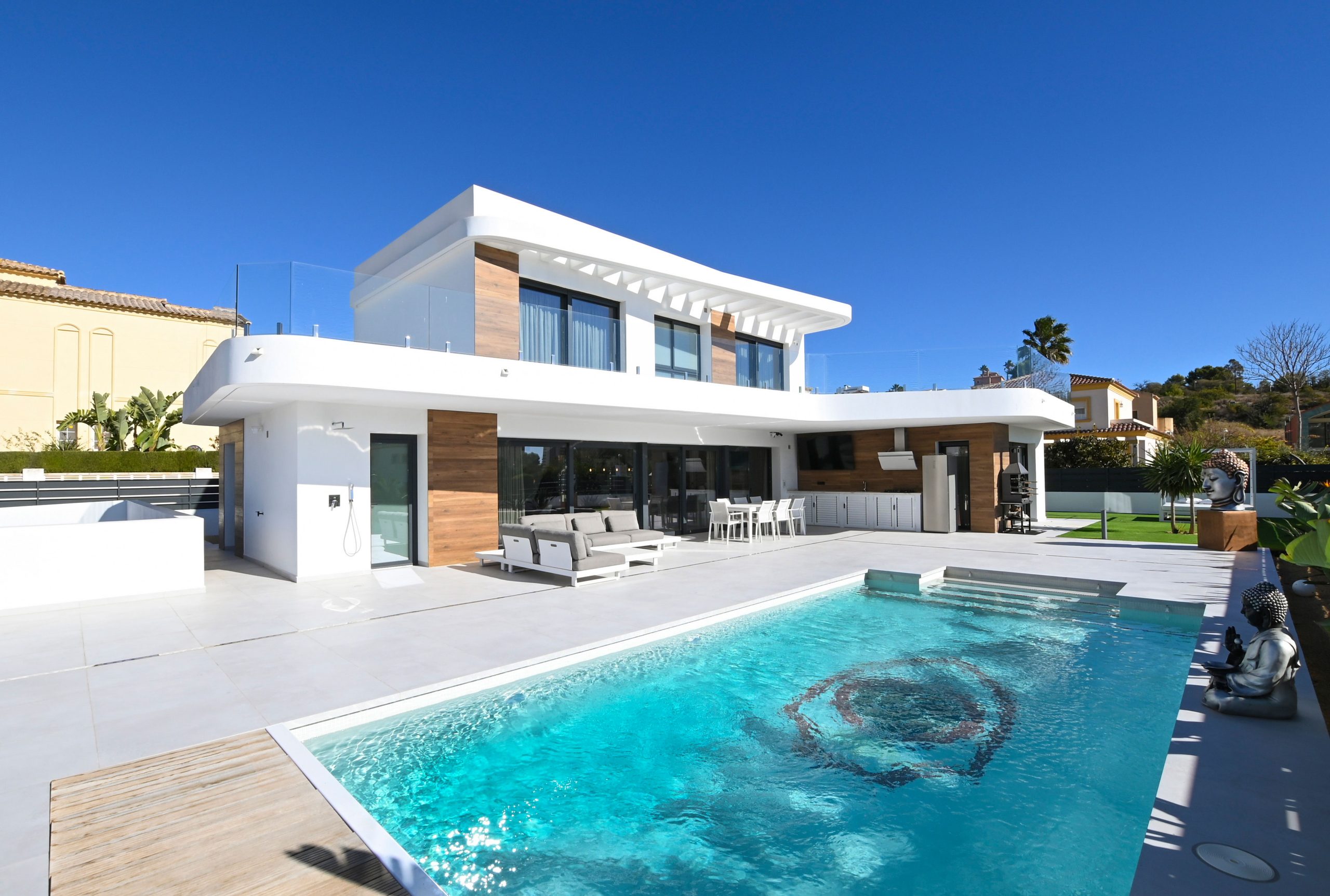
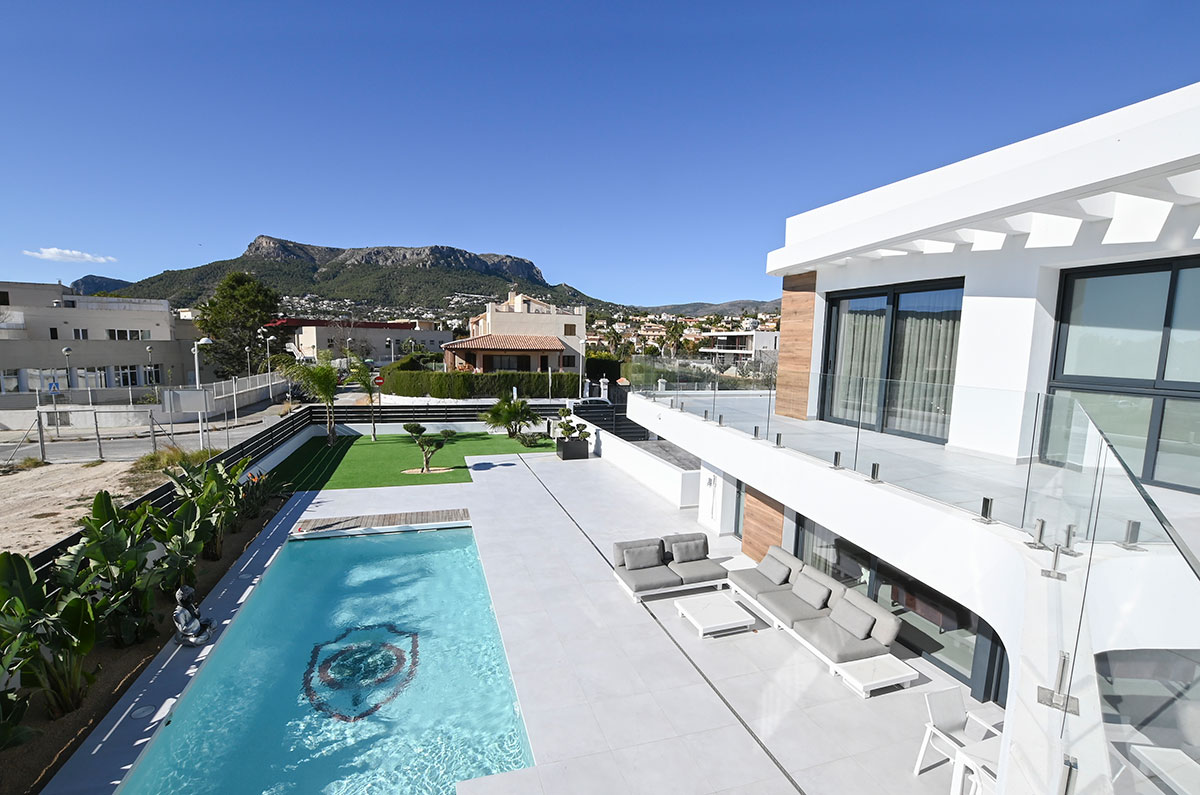
    CASA REGGY by arquifach architects in Calpe, Altea, Benissa, Teulada and Moraira.The integration of technology into all aspects of design and construction continues to transform architecture in 2024.

    Building Information Modeling (BIM) and Digital Twins

    The advanced use of BIM and the creation of digital twins allows for simulating and optimizing projects before construction. This promotes efficiency, reduces errors, and improves collaboration among teams.

    Artificial Intelligence and Automation

    AI is applied in form design, energy performance analysis, and smart building management. Automation in construction, with robots and autonomous machinery, speeds up processes and improves precision.

    Augmented Reality and Virtual Reality

    These technologies facilitate the visualization of projects in early stages, allowing clients and architects to experience spaces before execution, improving decision-making.

    3. Resilient and Adaptive Design
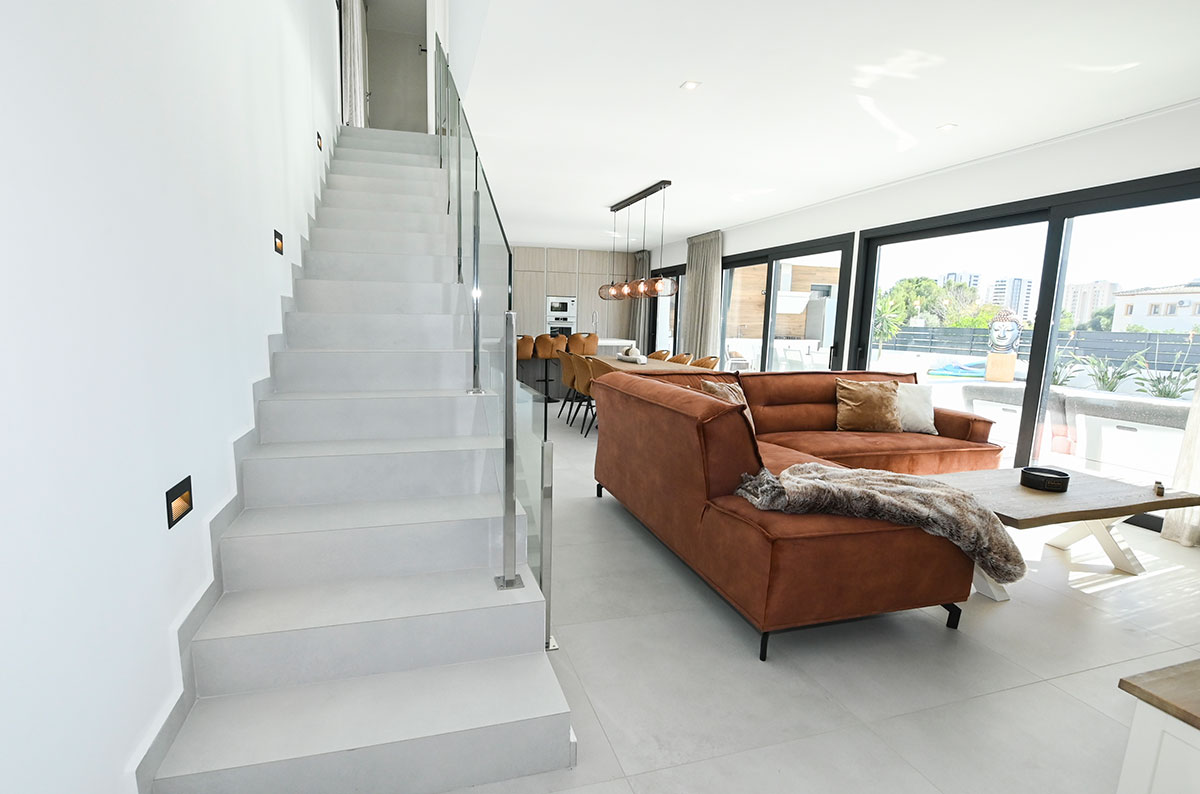
    CASA REGGY by arquifach architects in Calpe, Altea, Benissa, Teulada and Moraira.Facing the effects of climate change and extreme weather events, architecture in 2024 prioritizes resilience and adaptability.

    Resilient Buildings

    Structures are designed to withstand floods, strong winds, and extreme temperatures. Passive and active protection systems are incorporated, such as draining walls, green roofs, and fire protection systems.

    Flexible and Multifunctional Spaces

    In response to new ways of working and living, internal and external spaces are designed to be multifunctional, adapting to different uses and needs. Modular furniture, movable walls, and open areas foster flexibility.

    Resilient Urbanism

    Cities incorporate green infrastructure, vegetated roofs and walls, and water management systems to cope with adverse weather events, promoting safer and more sustainable urban environments.

    4. Biophilia and Connection with Nature

    The trend of integrating nature into the built environment continues to rise in 2024.

    Biophilic Architecture

    Spaces are designed to foster connection with nature by incorporating indoor and outdoor vegetation, abundant natural light, green views, and organic materials. This improves the mental health and well-being of occupants.

    Vertical Gardens and Green Roofs

    These solutions not only beautify spaces but also contribute to thermal regulation, air filtration, and urban biodiversity.

    Living and Working Spaces in Contact with Nature

    Offices and homes promote access to green areas, patios, and terraces, encouraging healthier and more sustainable lifestyles.

    5. Organic Architecture and Curvilinear Forms

    Fluid, organic, and curvilinear forms continue to gain prominence in 2024, bringing dynamism and harmony to spaces.

    Innovation in Design

    The use of advanced software allows for creating structures with complex and sustainable forms that respond to functional and aesthetic needs.

    Materials and Construction Techniques

    Digital construction techniques, such as additive manufacturing and prefabrication, facilitate the realization of organic forms on a large scale.

    Notable Examples

    Emblematic projects show how curved forms improve structural and visual efficiency, creating spaces that seem to integrate with their natural environment.

    6. Circular and Modular Architecture

    Modularity and the circular economy are at the heart of innovation in 2024.

    Modular Buildings

    Prefabricated and modular structures allow for fast, flexible construction with a lower environmental impact. They also facilitate reconfiguration or disassembly to adapt to new needs.

    Design for Reuse

    Buildings designed to be disassembled and reused in different contexts minimize waste and extend the useful life of materials.

    Flexible Housing and Commercial Spaces

    Modular design allows spaces to be quickly adapted to changes in demand, fostering resilient and sustainable communities.

    7. Minimalism and Conscious Design

    In contrast to extravagant forms, minimalism reaffirms itself as a key trend in 2024.

    Simplicity and Functionality

    Simplicity in forms and materials is prioritized, promoting clean, orderly, and functional spaces that favor well-being and efficiency.

    Natural Materials and Tactile Textures

    Materials like wood, stone, clay, and natural fabrics are preferred, bringing warmth and authenticity to spaces.

    Conscious Design and Digital Minimalism

    Design seeks to reduce waste and favor the circular economy, promoting more responsible and sustainable lifestyles.

    8. Inclusive and Accessible Architecture

    Equity in design continues to gain prominence in 2024, promoting spaces that are accessible to all.

    Universal Design

    Accessibility principles are integrated into all projects, eliminating physical and cognitive barriers.

    Spaces for Diversity

    Projects consider the needs of different groups, including the elderly, children, and vulnerable communities, promoting social inclusion.

    9. Cultural and Contextual Architecture

    Respect for the local context and cultural identity remains fundamental.

    Response to the Environment

    Designs respond to the history, culture, and climate of the place, creating meaningful connections with their surroundings.

    Use of Traditional Materials and Techniques

    Incorporating ancestral techniques and local materials into new constructions strengthens cultural identity and promotes sustainability.

    10. Innovation in Public Spaces

    Urban spaces in 2024 seek to promote social interaction, health, and well-being.

    Green Spaces and Meeting Areas

    Parks, squares, and green corridors are created to encourage active mobility and coexistence.

    Architecture for Well-being

    They incorporate elements such as rest areas, ergonomic street furniture, natural lighting, and access to services, to improve the quality of life in cities.


    The architectural landscape in 2024

    The architectural landscape in 2024 reflects a clear trend towards the integration of sustainability, technology, and social well-being. Architects and designers are increasingly aware of their role in creating environments that are not only functional and aesthetically pleasing, but also responsible towards the planet and that promote a better quality of life for its inhabitants.

    Innovation in materials, construction techniques, and organic and modular design approaches will set the standard for future projects, while the commitment to inclusion, resilience, and connection with nature consolidates a year in which architecture becomes a key tool to face the challenges of the 21st century.

     

  • Much more than a home, building on the Costa Blanca is a highly profitable investment

    Much more than a home, building on the Costa Blanca is a highly profitable investment

    Have you ever dreamed of owning your own corner of paradise by the sea? The Costa Blanca, in Spain, can offer you all these luxuries and much more. With its stunning coastline bathed by the warm Mediterranean sun and its charming villages, this region has become a coveted destination for real estate investors and lovers of the Mediterranean lifestyle.

    But, is owning a property on the Costa Blanca really profitable? Is the dream sustainable over time for someone who, for example, wants to get a quick return on their investment? The short answer is yes, and we’ll explain why right now.

    A Booming Real Estate Market

    For years, the entire Alicante coast has experienced a constant boom in its real estate market. It has become an ideal destination both for those who decide to live near its beautiful coasts and for those who are only looking for a holiday destination to rest from their busy lives. This is why investing on the Costa Blanca is a great idea, not only to diversify your capital but it can also be a very profitable strategy.

    For Holiday Rentals: High Profitability

    Alicante, and more specifically its Costa Blanca, is a popular tourist destination all year round. Whether for its white sandy beaches, its rich history and culture, or its excellent gastronomy, there is always a demand for holiday accommodation both in summer and during the rest of the seasons. By investing in a property for holiday rentals, you can obtain significant income, especially during the high season.

    Reasonable Maintenance Costs

    Arquitectura circular. Arquifach | Estudio de arquitectos Calpe Altea Benissa Teulada Moraira.

    Although maintaining a property always involves a series of associated expenses, such as taxes or maintenance, compared to other coastal regions of Europe, prices on the Costa Blanca are usually quite reasonable, so they shouldn’t burn a hole in our pockets. This means you can maximize your profits simply by reducing costs.

    A very attractive tax landscape

    As surprising as it may seem, Spain offers a series of tax benefits for homeowners, including deductions for property investments and income tax reductions for long-term rentals. These incentives can mean that our investment is a complete success and a way to further increase its profitability.

    So now you know, owning a property on the Costa Blanca in Spain not only gives you the opportunity to enjoy an idyllic lifestyle by the sea, but it can also be a solid and profitable investment. With a growing real estate market, high returns from holiday rentals and potential for property value appreciation, this picturesque Mediterranean region is the perfect place to make your real estate investment dreams come true, and at the architecture firm Arquifach we will be delighted to help you achieve it.

    ARCHITECTURE STUDIO ALICANTE: ARQUIFACH, TAKES CARE OF YOUR PROJECT

    Contact Arquifach, Alicante architecture studio, without obligation. If you are thinking of retiring on the Costa Blanca, count on comprehensive services in the construction of new single-family homes or tourist apartment buildings. Rely on the support of a team specialized in the Costa Blanca. Arquifach covers the entire project, from design, construction, planning, pathology reports, valuations and general advice.


  • How to Choose the Best Architecture Firm for Your Home Renovation: Key Tips

    How to Choose the Best Architecture Firm for Your Home Renovation: Key Tips

    The decision to renovate your home is exciting, but choosing the right architecture firm can make the difference between a successful project and one full of complications. In this post, we present key tips for selecting the best architecture firm that will transform your vision into a tangible reality.

    1. Research and Explore: Look into Local and Online Options

    Before diving into selecting an architecture firm, it is essential to conduct thorough research. Examine both local options and those available online. Check online directories of architecture firms in your area, seek recommendations from friends and family, and explore websites of professional architecture associations. By combining these sources, you can create an initial list of firms with experience and a presence in the field of home renovations.

    2. Analyze the Portfolio: Discover Their Style and Skill

    The portfolios of architecture firms are windows into their skill and approach. When analyzing their previous projects, pay attention to the variety of designs, the quality of execution, and the attention to detail. Observe how they have addressed specific challenges in renovation projects. This will give you an idea of their versatility and whether their style aligns with your vision for your own home.

    3. Verify Credentials: Ensure Their Professionalism

    Before taking the next step, verify the firm’s credentials. Make sure the architects are licensed and have the necessary certifications. Research their education and experience in renovation projects. Credentials not only guarantee their competence but also demonstrate their commitment to professional and ethical standards.

    4. Seek References and Testimonials: Check Their Track Record

    A valuable way to assess the quality and reliability of an architecture firm is through references and testimonials from previous clients. Contact past clients to gain a deeper understanding of how the firm handled renovation projects in the past. Ask about their overall experience, communication, timeliness, and whether the final result met their expectations.

    5. Open Communication: Listen to Their Approach

    Effective communication is a cornerstone of any successful project. Schedule meetings with the architecture firms you are considering and observe how they communicate with you. Pay attention to their willingness to listen to your ideas and concerns, as well as their ability to articulate their approach and strategy for your specific project.

    6. Understanding Your Needs: Translate Your Ideas into Design

    Working with an architecture firm that truly understands your needs is fundamental. When discussing your ideas and vision, observe how they respond and whether they are able to translate your concepts into a coherent architectural design. A firm that pays attention to details and is committed to reflecting your desires is essential for achieving satisfactory results.

    7. Establish a Realistic Budget: Financial Transparency

    Financial transparency is essential from the start. Ensure the firm is willing to work within your budget and provides realistic estimates. A reliable firm will offer detailed information about the costs associated with the renovation, including professional fees and additional expenses.

    8. Creativity and Innovation: Explore Their Creative Approach

    Creativity is a fundamental component in architecture. When exploring the firm’s previous work, look for examples of unique and creative solutions they have implemented in renovation projects. The ability to think outside the box and offer innovative approaches can make a difference in the final outcome.

    9. Organized Work Process: Effective Planning

    An organized work process is essential to keep the project on track without setbacks. Ask about the firm’s design, planning, execution, and supervision process. A well-structured approach ensures that each stage of the project is coordinated efficiently and that established deadlines are met.

    10. Contractual Details: Establish a Solid Agreement

    Before committing, make sure the firm provides a detailed contract that covers all aspects of the project. The contract should include the scope of work, timelines, fees, and any other relevant information. A solid agreement sets clear expectations and prevents misunderstandings in the future.

    11. Long-Term Vision: Commitment to Sustainability

    If you have a long-term vision of a sustainable and efficient home, look for an architecture firm that shares those values. Ensure they are committed to sustainability and capable of integrating eco-conscious solutions into their design approach. The ability to balance aesthetics with sustainable functionality is a valuable attribute.

    12. Trust Your Instinct: The Personal Connection

    After a thorough analysis, listen to your intuition. If you feel a genuine connection and trust in a particular architecture firm, you have likely found your ideal partner to carry out your home renovation. Chemistry and trust are essential for a successful collaboration.


    Ultimately, choosing the right architecture firm for your renovation project is a key decision that will impact the final result. By following these tips and conducting thorough research, you will be on the right track to working with professionals who will understand and materialize your vision, transforming your home into the house of your dreams.