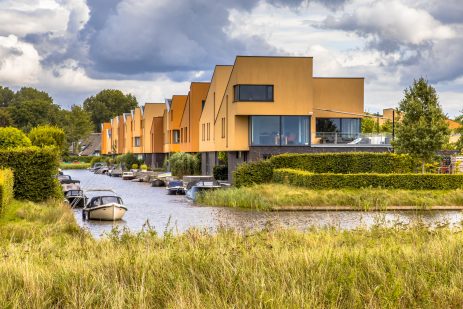
Spain is one of the countries in Europe most vulnerable to climate change. The country’s average temperature has risen by about 1.7 ºC since pre-industrial times. Summer has lengthened by five weeks compared to the early 1980s. Problems with droughts and floods will set the trend for the summer months.
The Costa Blanca
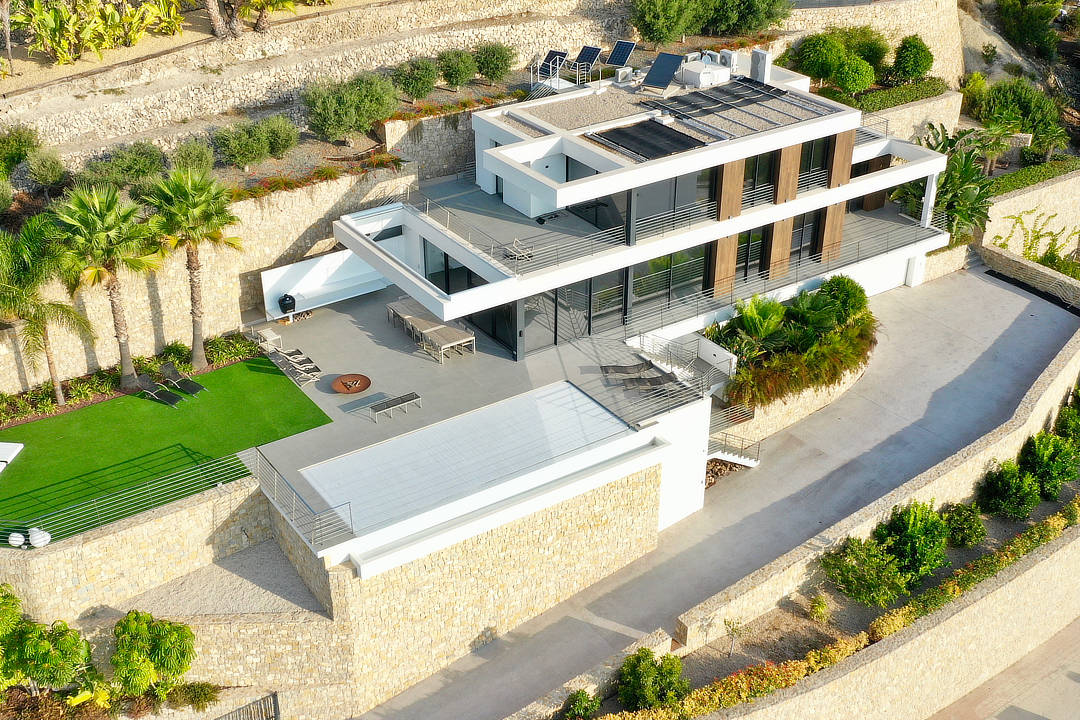
For years, Spain has been one of the main countries where many Spaniards and foreigners decide to build a second home. Among the main reasons are the good climate and quality of life the country offers, especially in certain areas. One of the favorites is the Costa Blanca, the area of Alicante bathed by the Mediterranean Sea. It is a privileged location due to its geographical and climatic characteristics, making it attractive and an area with great investment potential. Many of our clients are encouraged to create their dream home, aware that it is also an opportunity to delve into real estate investments on the Costa Blanca.
Unfortunately, climate change regularly hits the Mediterranean coast, especially the Costa Blanca. Many of you may have heard of DANA or “cold drop”. It is a meteorological phenomenon favored by the temperature of the Mediterranean Sea, characterized by torrential rainfall in a very short time. It happens mainly in autumn, when the sea is still warm due to the summer months. If the Levante wind arrives then, a storm can develop all its energy, and the DANA is unleashed. The mass of hot air rises to great heights, up to ten kilometers, then cools rapidly, forming thick rain clouds.
How to prevent flooding?
Elevate the construction above the flood level
The decision of where to build is vitally important in flood-prone areas. The common approach is to build higher than usual above areas that have previously flooded. A thorough inspection of the land must be carried out to verify that it has no unevenness, is not composed of landfill or organic material, and is not over streams or aquifer areas. It is most advisable to acquire one located in a resistant and firm area, which provides better support for the house and allows us to keep construction costs dedicated to land preparation in check.
Water management systems:
Common rainwater management systems most frequently used are based on transporting water directly from the point of origin to the main network, minimizing the water’s journey, wasting the ground’s infiltration capacity, and avoiding the possibility of reuse at the source. During heavy or torrential rainfall, pipelines often collapse because they are not sized for those volumes.
Sustainable Drainage Systems (SUDS) are a preventive rainwater management tool that helps minimize the effects of floods. Their strategy is based on two main objectives: reducing the amount of water reaching the final discharge point, and improving the quality of the water discharged into the natural environment.
Flood-resistant materials
Flood-resistant materials can withstand significant damage for at least 72 hours from the first contact with water. In most cases, floodwater can cause the following damage:
- Displaced foundation walls
- Collapsed structures
- Floating fuel tanks
- Sediment generation
Among flood-resistant materials, we can find: glazed brick, closed-cell foam insulation, steel hardware, pressure-treated and marine-grade plywood, ceramic tiles, waterproof adhesives, and polyester epoxy paint, among many others. Waterproof coatings, sealants, and sheeting belong to the first group, as they prevent water from reaching the interior.
Your chalet or single-family home with a pool on the Costa Blanca
Contact Arquifach, an architecture studio on the Costa Blanca specializing in the construction of modern architecture chalets and single-family homes. We study the viability of your project and offer advice on the construction of new single-family homes or tourist apartment buildings. Count on the support of a team specialized in the Costa Blanca. Arquifach handles finding the ideal plot according to each client’s needs, complying with municipal regulations. We cover the entire project, from design, construction, planning, pathology reports, valuations, and general advice.