Connecting the home with nature is a growing trend in modern architecture, which refers to the integration of nature into home design. This trend seeks to create living spaces that merge with the natural environment, taking advantage of light, fresh air, panoramic views, and the sounds of nature.
Some of the ways architects are achieving a connection between the home and nature include:
- Bioclimatic design: this involves incorporating design elements that maximize energy efficiency and minimize environmental impact, such as using natural materials, building orientation, and maximizing natural ventilation.
- Integration of natural elements: this includes integrating natural elements, such as natural light, water, plants, and rocks, into the home’s design to create a healthy and sustainable living environment.
- Open spaces: creating open and fluid spaces within the home that open up to the natural surroundings, such as patios, indoor gardens, terraces, and balconies.
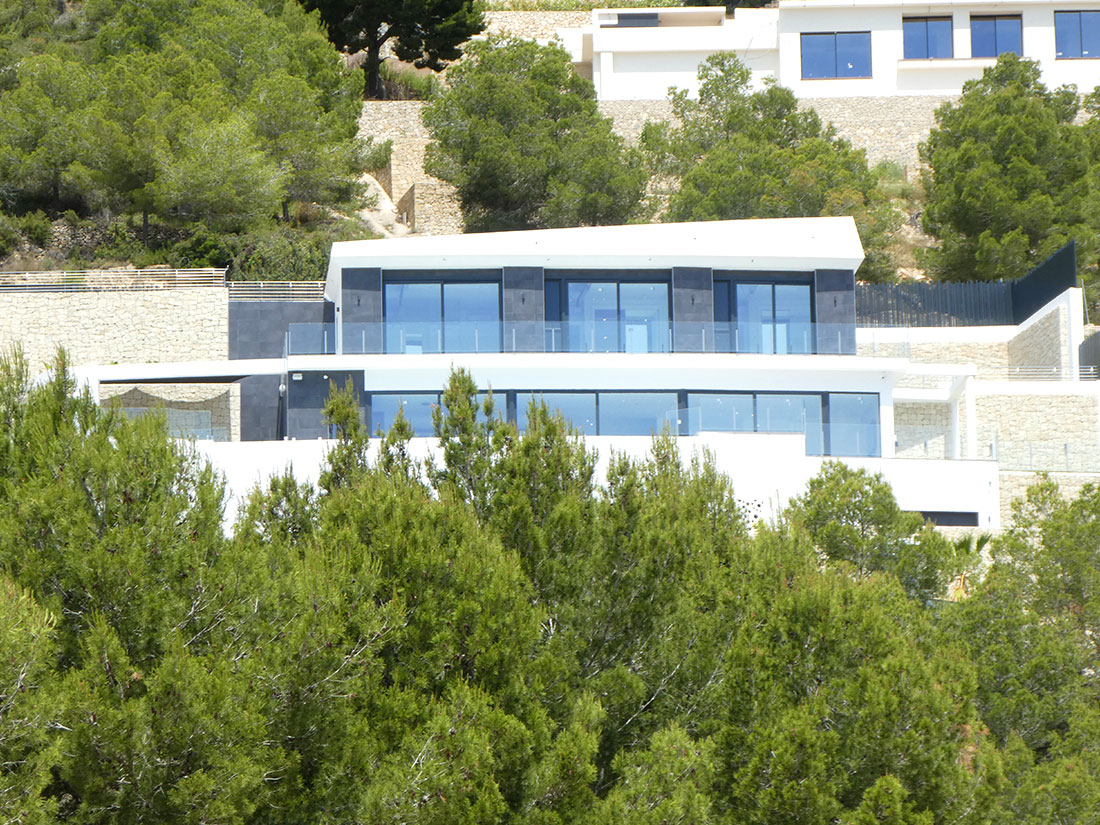
- Panoramic windows: these allow natural light and exterior views to enter the home, creating a sense of connection with the natural environment.
In summary, connecting the home with nature is a trend in modern architecture that seeks to create healthier, more sustainable homes in harmony with the environment. Architects can achieve this by incorporating natural elements and bioclimatic design techniques into the home’s design, creating open spaces and maximizing natural light and exterior views.
Panoramic windows
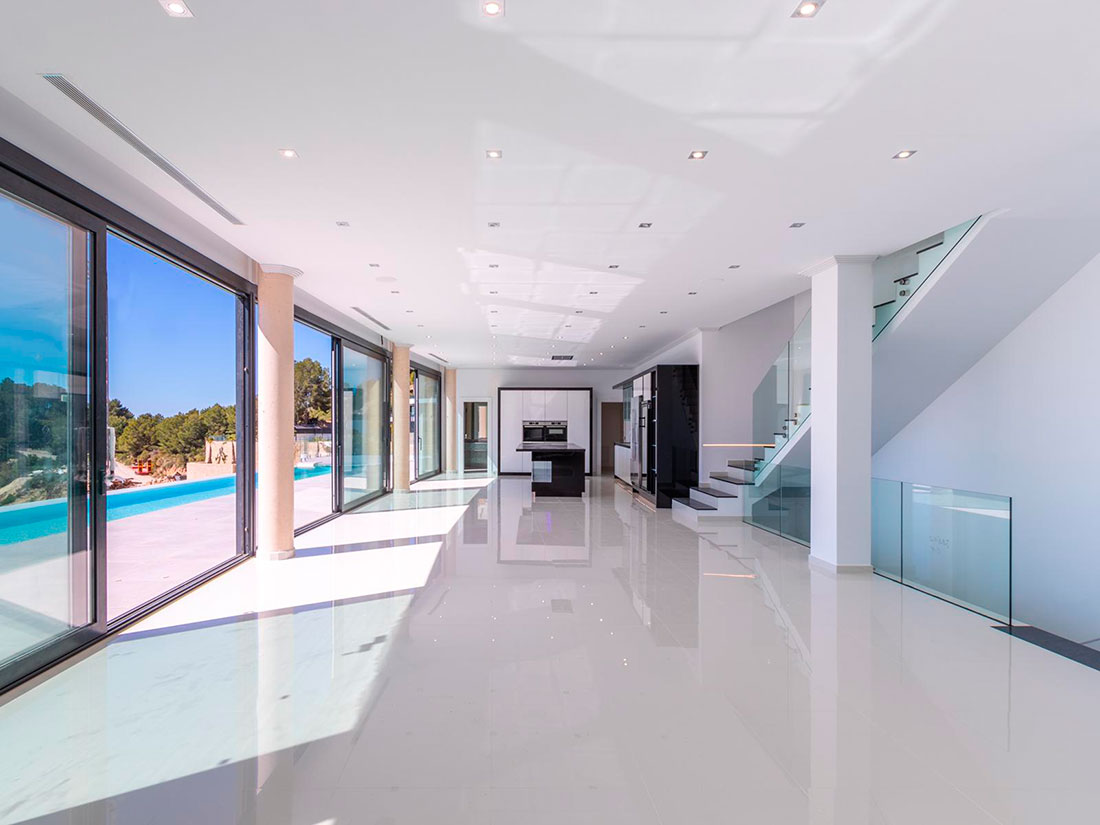
Panoramic windows are a popular trend in modern architecture that allows a panoramic view of the outdoors. These windows are large glass openings that span from floor to ceiling, allowing in a large amount of natural light and stunning exterior views.
In addition to offering an impressive view of the exterior, panoramic windows can also provide other benefits, such as:
- Natural light: by allowing ample natural light indoors, panoramic windows can improve residents’ well-being by helping to regulate the biological clock and reduce eye strain.
- Improved energy efficiency: panoramic windows can help reduce energy costs by allowing natural light to enter the home, reducing the need for artificial lighting.
- Sense of harmony: panoramic windows can help connect with the outdoors and create a sense of harmony with nature.
- Increased property value: panoramic windows can increase property value by making the house more attractive and elegant.
Integration of natural elements
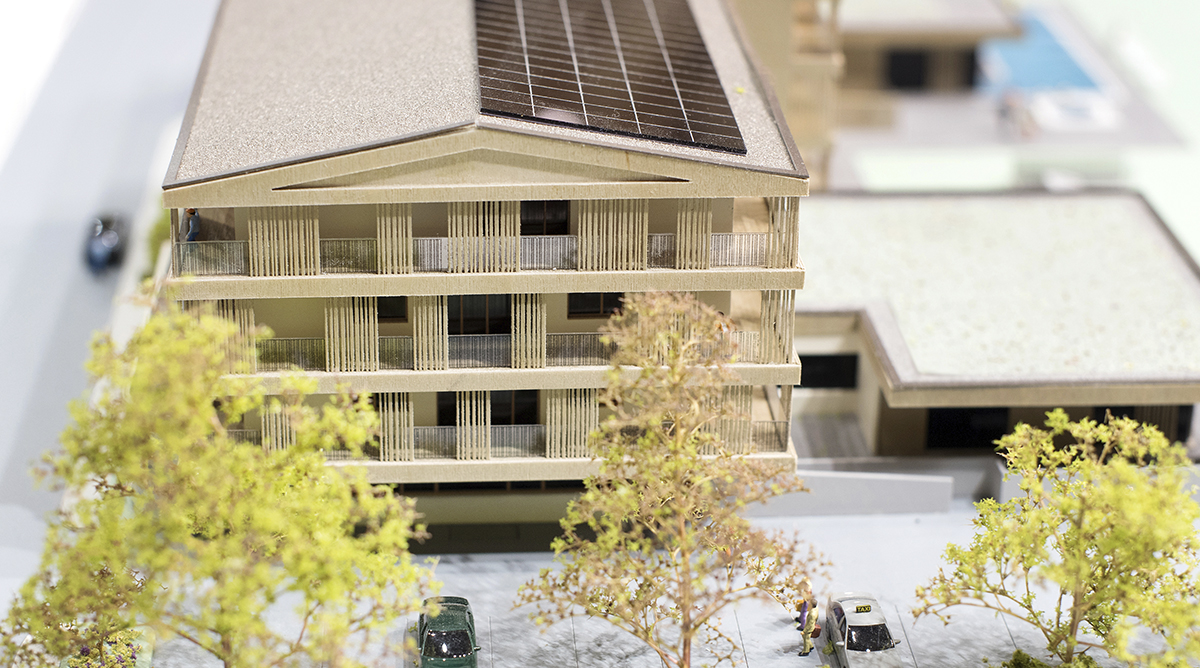
The integration of natural elements seeks to incorporate nature into building design. This trend focuses on integrating natural elements such as natural light, water, fresh air, plants, and vegetation into building design, in order to create a healthy, sustainable, and pleasant environment for residents.
Some of the ways architects are achieving the integration of natural elements include:
- Use of natural materials: instead of using artificial materials, architects can incorporate natural materials such as wood, stone, bamboo, and clay into the building’s design.
- Incorporation of natural light: this can include incorporating large windows, skylights, and roof lanterns to allow natural light into the building’s interior.
- Use of plants and vegetation: incorporating plants and vegetation into the building’s design, such as vertical gardens, green roofs, and green walls, can improve air quality, reduce noise pollution, and provide a relaxing and aesthetic environment.
Bioclimatic design
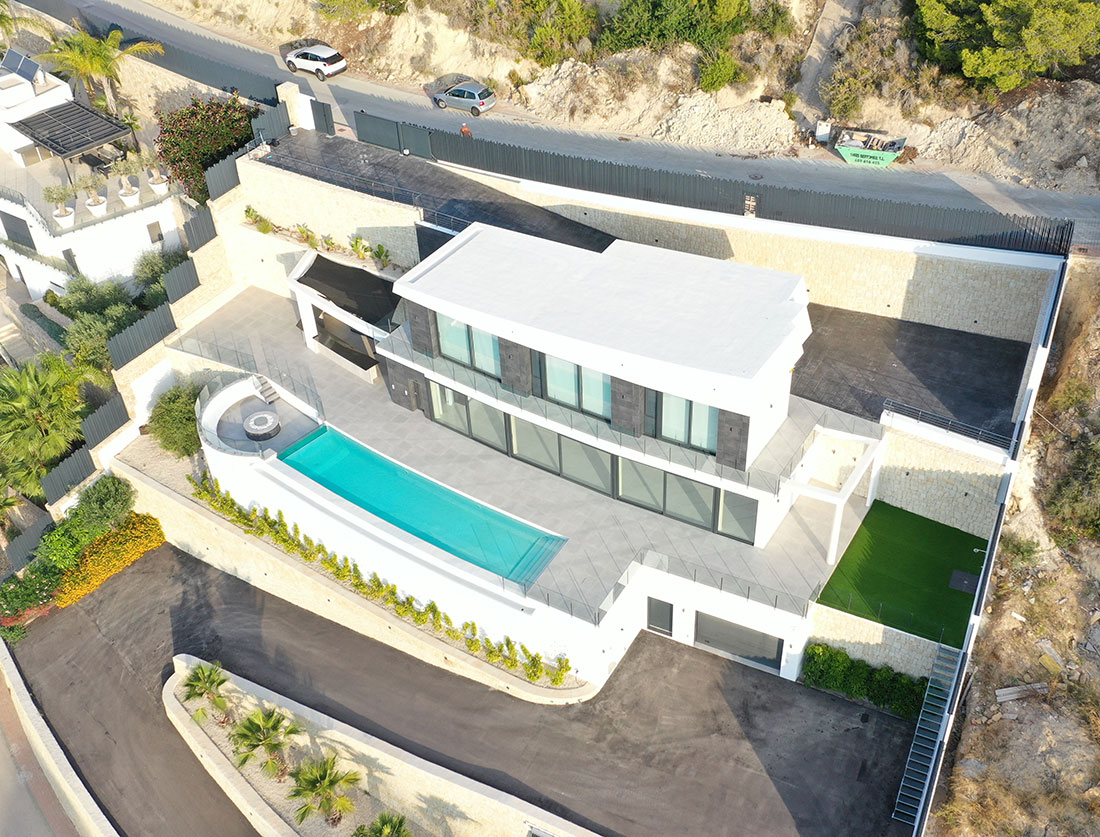
Bioclimatic design creates sustainable and energy-efficient buildings. The goal of bioclimatic design is to take advantage of the climatic conditions of the environment where the building is constructed to maximize energy efficiency and minimize environmental impact. Some bioclimatic design strategies include:
- Building orientation: the building is designed to maximize solar exposure and reduce exposure to direct solar radiation during the hottest hours of the day.
- Thermal insulation: thermal insulation is used in the design of walls, roofs, and windows to reduce heat transfer through the building’s surfaces.
- Natural ventilation: natural ventilation is utilized to reduce the need for air conditioning systems and improve indoor air quality.
- Use of sustainable materials: sustainable construction materials, such as wood, stone, earth, and recycled materials, are used to reduce the building’s environmental impact.
- Use of renewable energy: solar, wind, or other renewable energy is used to power the building.