Sustainable architecture is no longer just a trend; it has become a global movement with the potential to change how architecture firms design and build our spaces. As awareness of climate change’s impact and the need to conserve our natural resources grows, architecture firms are taking on a crucial role in creating eco-conscious and environmentally friendly buildings. In this post, we will explore the exciting future of sustainable architecture and how it is shaping a greener, more resilient world.
1. Integrating Nature into Urban Design
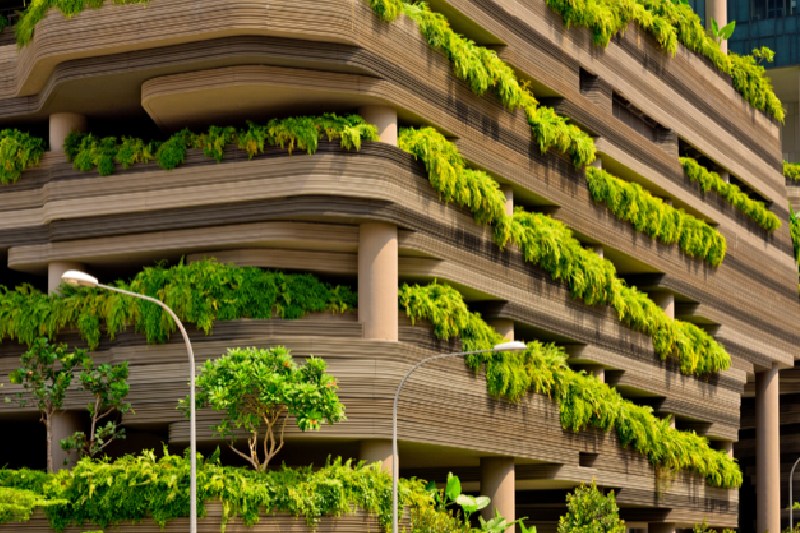
Architecture firms will play a crucial role in integrating nature into the urban design of the future. This trend seeks to create greener, more livable urban spaces by incorporating natural elements into architectural projects. Architects will focus on designing buildings that blend with their surroundings and are surrounded by green areas, vertical gardens, and public parks.
The architecture firm will work closely with landscape architects and environmental experts to plan and design projects that promote biodiversity and improve air quality in urban areas. The inclusion of green spaces will not only create healthier environments for inhabitants but will also help reduce pollution and the effects of climate change.
2. Innovative and Sustainable Building Materials

Architecture firms will be leaders in adopting innovative and sustainable building materials in their future projects. Research and development of new materials will be a priority for firms, seeking more eco-friendly alternatives with lower environmental impact.
The architecture firm will work with suppliers and companies specializing in sustainable materials to identify options that are more respectful of the environment. The choice of materials such as bamboo, cork, recycled concrete, and other renewable materials will be common in architectural designs.
The incorporation of sustainable materials will not only reduce the environmental footprint of buildings but will also promote awareness of the importance of sustainability in the construction industry.
3. Self-Sufficient and Net-Zero Buildings

The architecture firm will consider factors such as location, orientation, and building design to maximize solar and wind energy capture. The installation of solar panels and the implementation of rainwater harvesting systems will be common practices in these projects.
The goal for architecture firms will be to create buildings that produce clean energy and minimize their consumption of natural resources, demonstrating that energy self-sufficiency in construction is achievable.
4. Bioclimatic Design and Energy Efficiency

Bioclimatic design and energy efficiency will be fundamental pillars in the projects of future architecture firms. Planning buildings that leverage the local climate to reduce their energy demand will be essential for achieving a sustainable approach.
Architecture firms will consider the building’s location and orientation to maximize natural light entry and minimize the need for artificial lighting. They will also focus on improving natural ventilation and air circulation to reduce reliance on HVAC systems.
The use of materials with insulating properties and construction techniques that optimize thermal comfort will be key aspects of bioclimatic design and energy efficiency that architecture firms will implement in their projects.
5. The Importance of Reuse and Renovation

In a future more conscious of sustainability, architecture firms will also be leaders in the reuse and renovation of existing structures. Restoring old buildings and adapting them for new uses will be a common practice among firms committed to sustainability.
The architecture firm will work on renovation projects that preserve the essence and heritage of historic buildings while transforming them into modern, functional spaces. Material reuse and waste reduction will be important goals in these projects.
Architecture firms will be at the forefront of creativity and innovation in design, finding smart solutions to revitalize existing structures and create sustainable spaces for future generations.
The future of sustainable architecture presents an exciting landscape for architecture firms. By integrating nature into urban design, adopting innovative and sustainable materials, creating self-sufficient buildings, applying bioclimatic design, and committing to the reuse and renovation of existing structures, architecture firms will be leading the way toward a more sustainable and environmentally respectful world. With their ability to influence how we build and inhabit our spaces, architecture firms will play a fundamental role in creating a better, more eco-conscious future.