1. Introduction: a unique example of industrial heritage
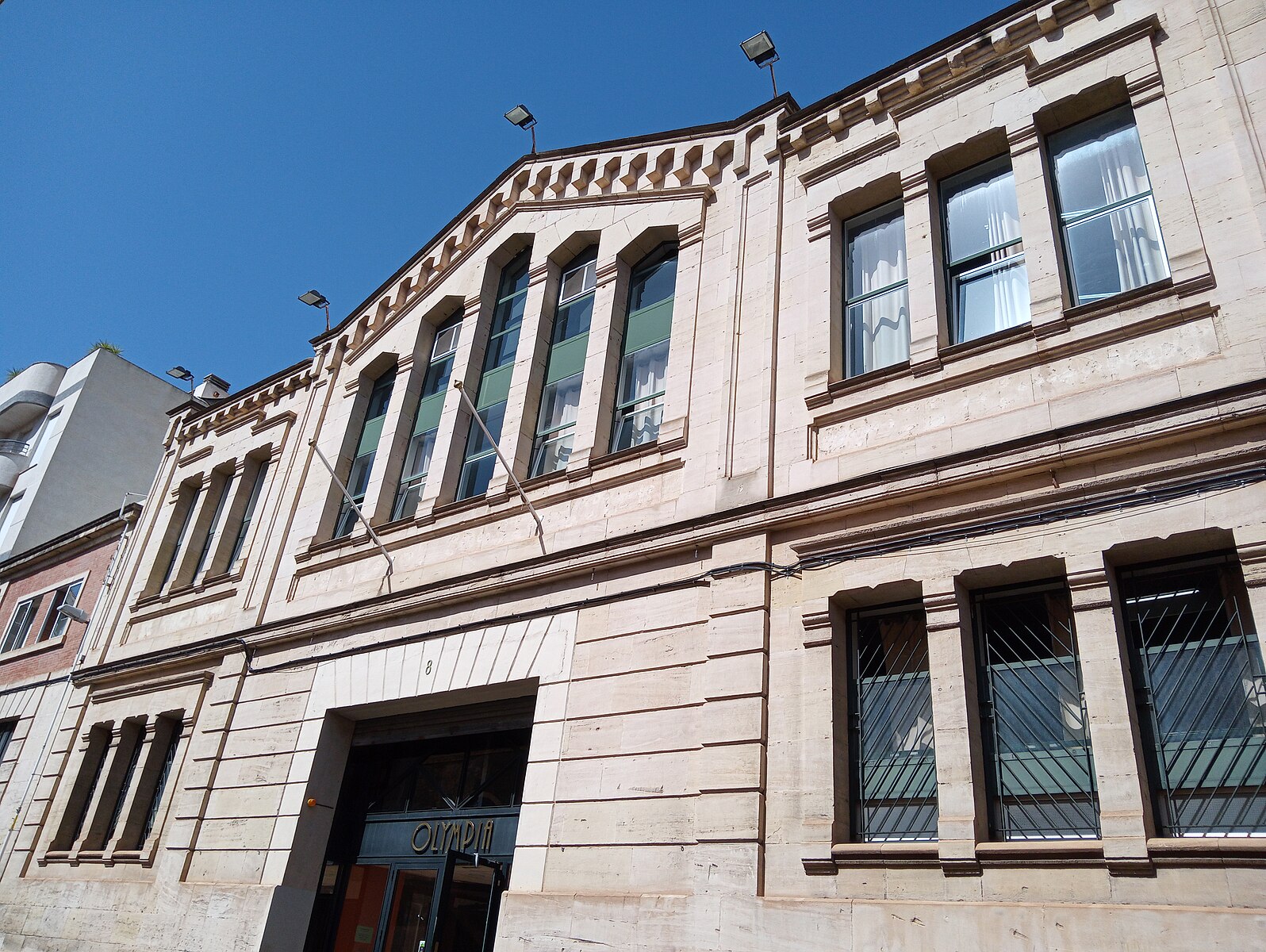
In the heart of Alcoy, a city deeply linked to the Valencian Industrial Revolution, stands one of the most representative jewels of early 20th century Alicante architecture: the Factory at 8 Agres Street. This building, the work of Alicante architects Vicente Pascual Pastor and José Cort Merita, constitutes one of the most outstanding examples of industrial building design with a modernist aesthetic in the province.
Built between 1904 and 1913, the factory symbolizes the peak of an era in which Alcoy was consolidating itself as the textile engine of the Valencian Community. Its value lies not only in its industrial functionality, but also in its formal beauty, in the way it unites technology and art, utility and expression. In a context where many factory buildings were designed in a purely practical way, the work at 8 Agres Street demonstrated that Alicante architectural design could be innovative, aesthetic, and representative of a new modern mentality.
2. Alcoy, industrial city and cradle of Alicante modernism
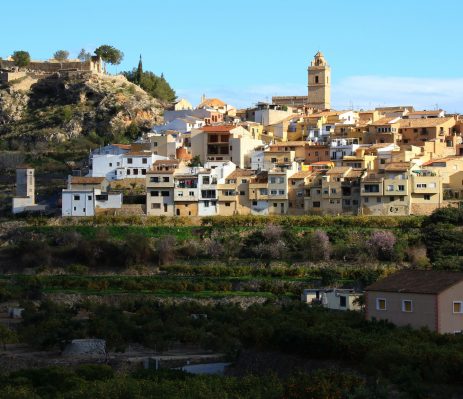
At the beginning of the 20th century, Alcoy was an industrial benchmark comparable to the great European factory cities. Its urban structure expanded around the Serpis valleys, where water moved the turbines of textile, paper, and metallurgical factories. In this context of prosperity, a local movement of Alicante architects trained at the Barcelona or Valencia School emerged, introducing modernism to the region.
Among them, Vicente Pascual Pastor and Timoteo Briet Montagud stood out, key figures of Alicante architecture of the time. Both promoted a modernist current that knew how to combine new materials — iron, exposed brick, ceramics, glass — with a decorative language inspired by nature, geometry, and technical progress.
The Factory at 8 Agres Street is one of the best testimonies of this style, as it combines the structural logic of the industrial building with the artistic will of modernism.
3. The building: structure, materials, and design
The factory complex consists of a main two-story nave, with a metal structure and brick walls, which takes advantage of natural light through large windows. Unlike the conventional industrial constructions of its time, this factory reveals a careful building design, with meticulous attention to aesthetic details and the balance of volumes.
The façade is the most distinctive element: the use of red facing brick contrasts with the light ceramic frames and the semicircular arches, giving it a rhythmic and elegant appearance. The large windows allow constant lighting of the interior, demonstrating a concern for both efficiency and worker comfort.
In the cornice and upper finishes, the influence of modernist Alicante architectural design can be seen: undulating moldings, floral relief motifs, and a symmetrical composition that reflects the balance between function and form. The main entrance, framed by a segmented arch and vegetal ornamentation, gives the building a unique urban presence, despite its factory nature.
4. Alicante architects and the culture of industrial design
The role of the Alicante architects in the development of industrial architecture in Alcoy was essential. Vicente Pascual Pastor, trained in Barcelona, knew how to transfer the lessons of Catalan modernism to his hometown, adapting them to the local productive fabric. His collaboration with engineers like José Cort Merita made it possible to create functional, resistant, and visually attractive buildings, ahead of their time.
The Factory at 8 Agres Street is, in this sense, an example of the innovative spirit of those professionals: engineers and architects who conceived the factory not only as a place of production, but as a symbol of social progress. Their work demonstrates that industrial building design could be, at the same time, efficient and beautiful.
5. Heritage value and recovery
Over time, the building ceased to be used for industrial purposes. For decades it remained relatively abandoned until it was restored and adapted to house the “Joan Cantó” Music and Dance Conservatory of Alcoy. This intervention, respectful of the original structure, has allowed the factory to regain its vitality, now at the service of culture and education.
The conversion of the building is a paradigmatic example of how Alicante architectural design can dialogue with historical heritage without destroying it. The maintenance of the original elements — façades, windows, iron structure — together with the incorporation of new interior facilities, shows a contemporary reading of the industrial past.
Today, the old factory is an emblem of the city and one of the most photographed complexes by lovers of Alicante architecture. It represents architecture’s ability to adapt to time, to transform itself without losing its essence.
6. Industrial modernism: a language of its own
Unlike the domestic or institutional modernism of other cities, the industrial modernism of Alcoy was characterized by formal austerity and the prominence of materials. In the case of the Factory at 8 Agres Street, the architects played with the texture of the brick, the rhythm of the openings, and the proportion of the structural elements to create a sober but expressive composition.
This approach made the building a pioneering work within industrial building design in Spain. It did not seek to dazzle with excessive ornamentation, but to show the beauty of technique and repetition. Thus, Alcoy consolidated its own architectural language that still inspires new professionals in Alicante architectural design today.
7. Alcoy as a laboratory for design and architecture
Alcoy was a true laboratory of architectural innovation. The city preserves more than a hundred modernist buildings, from factories and residences to theaters, schools, and shops. This heritage is testimony to the role of Alicante architects as mediators between tradition and modernity.
The spirit of experimentation that gave rise to the Factory at 8 Agres Street is still present in contemporary Alicante’s architectural culture. The idea that design can transform daily life, that the built space influences social identity, is a direct legacy of those pioneers.
In this sense, the factory not only has aesthetic or historical value: it also embodies a philosophy of Alicante architectural design that commits to functionality, sustainability, and sensitivity towards the environment.
8. Conclusion: a living legacy of Alicante architecture
The Factory at 8 Agres Street in Alcoy is not just an industrial relic. It is a living lesson on how building design can transcend its time and become heritage. Its presence reminds us that Alicante architecture has known how to combine beauty, technique, and utility, giving rise to works that are an inseparable part of local history.
Works like this demonstrate that the Alicante architects of the early 20th century were able to anticipate the needs of the future: the adaptation of uses, aesthetic integration into the urban landscape, and attention to human well-being.
Today, when contemporary Alicante architectural design seeks to balance sustainability, innovation, and memory, the Factory at 8 Agres Street stands as a reference. Its example invites us to reflect on the role of industrial heritage in the construction of Alicante’s modern identity, and on how the past can continue to inspire the future of building design.
Photograph: