Architecture in 2025 finds itself at a moment of profound transition, where environmental demands, technological advances, and new ways of living and relating to built spaces converge. Below, we list the key points that are directing architectural projects and their core ideas:
1. Sustainability and Regeneration as the Standard
It’s no longer enough to “do less harm”: the focus is shifting from sustainable construction to regenerative architecture—that is, buildings that contribute positively to their surroundings, enhance biodiversity, generate more energy than they consume, or act as carbon sinks.
-
Eco-innovative materials: Bamboo, certified timber, recycled plastics, and other low-footprint composites.
-
Adaptive reuse: Transforming existing structures instead of demolishing them.
-
Climate-resilient design: Adaptation to floods, extreme heat, and changing uses.
2. Technology, Data, and New Ways of Designing and Building
-
Artificial Intelligence (AI) and generative design tools optimize energy, light, ventilation, and costs.
-
Smart materials: Self-healing concrete, phase-change glass, biotechnological panels.
-
Modular, prefabricated, and 3D-printed construction.
-
Smart buildings (IoT) with sensors for air quality, lighting, and occupancy.
3. Connection with Nature and Human Well-being
-
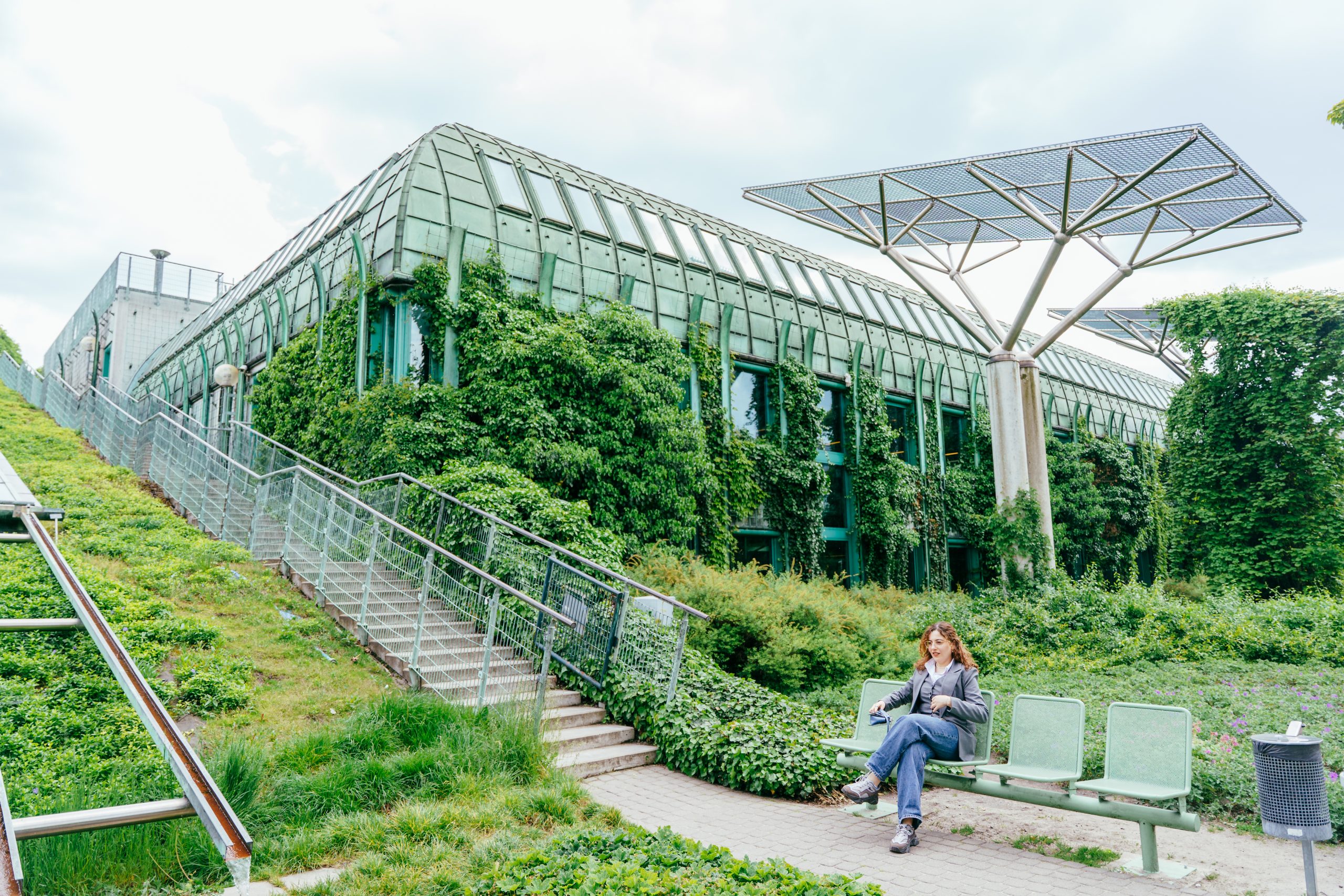
Biophilic design is strengthening: indoor gardens, living walls, visual connection to the outdoors, and natural materials.
-
Integrated well-being: Spaces conceived with the user’s mental health and comfort in mind.
-
Humanized design: Architecture as an environment that responds to the user and their emotional connection.
4. Urbanism, Flexible Spaces, and New Models of Use
-
Development of mixed uses (residential + commercial + community).
-
Adaptable/modular spaces that change function according to need.
-
Integration with the smart city: Sensors, data, connectivity.
5. Aesthetics, Materials, and New Formal Languages
-
Aesthetics that combine minimalism with “ethical luxury”: simplicity and quality materials.
-
Another trend: maximalism, texture, and color that express identity.
-
Eco-brutalism: blending the rawness of brutalism with vegetation and natural materials.
6. Pending Challenges
-
AI and generative design still need to incorporate multi-sensory experience.
-
Regenerative design remains a minority practice.
-
Smart materials face cost and scalability issues.
-
Adapting heritage assets to climate change is a major challenge.
7. Implications for Spain and Latin America
-
Use of local, ecological materials.
-
Rehabilitation instead of demolition.
-
Accessible technology: Sensors, home automation, and energy efficiency.
-
Intergenerational and flexible spaces.
-
Training in new digital methodologies and emerging materials.