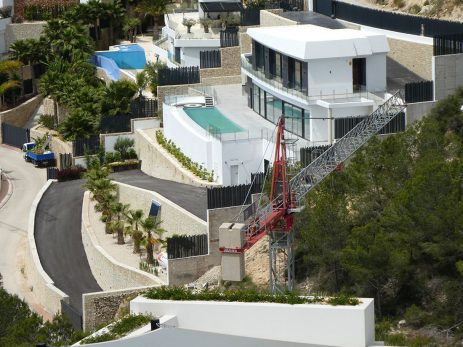
Open spaces are an increasingly popular trend in the architecture of the Costa Blanca. The Costa Blanca is a region on the eastern coast of Spain, stretching from the city of Dénia to the south of the province of Alicante. It is a region very popular with tourists due to its beautiful beaches, Mediterranean climate, and its unique architecture.
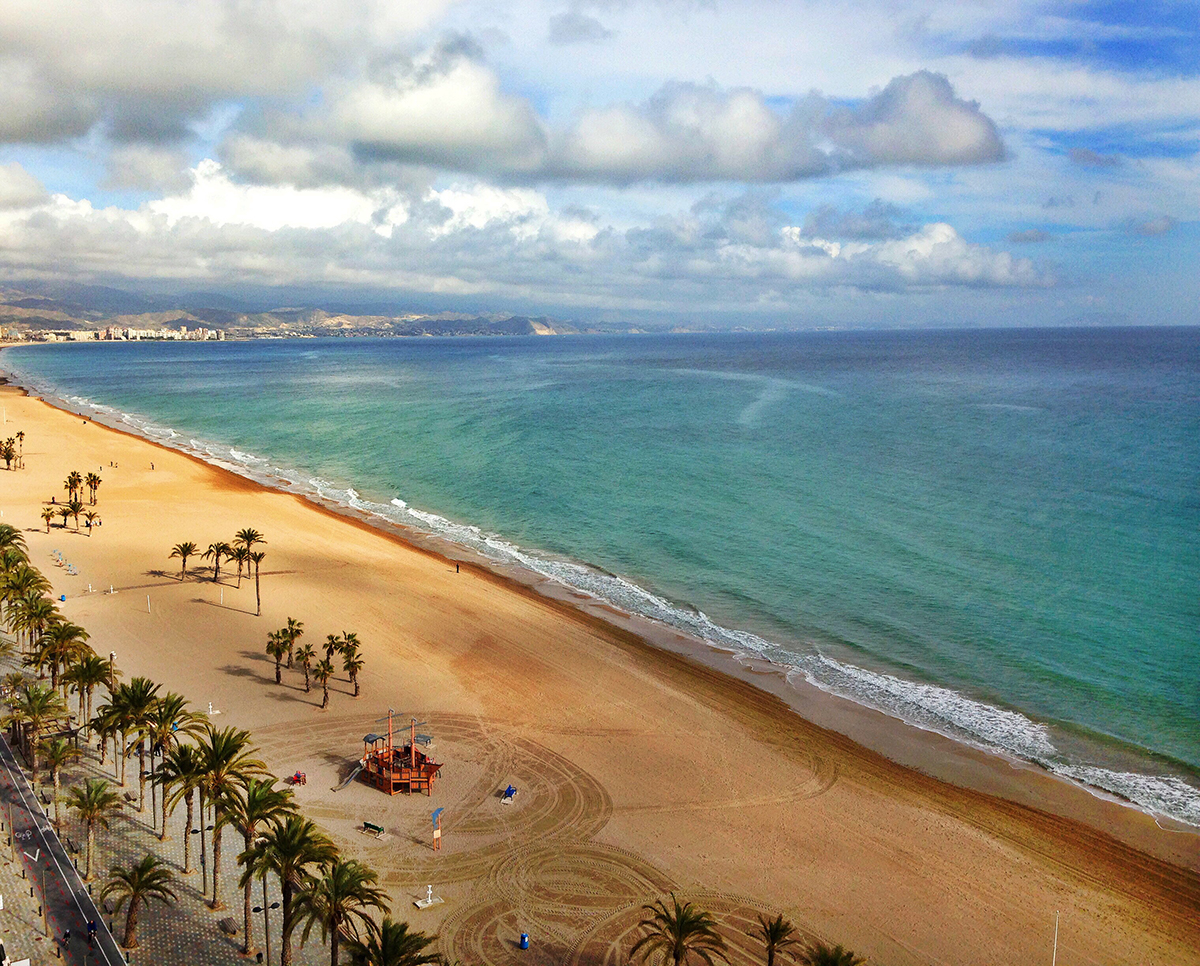
Architecture on the Costa Blanca is very varied and is characterized by a mix of traditional and modern styles. On the coast, you can find villas and houses of Mediterranean style with red tile roofs, white walls, and large windows. These homes often have patios and interior gardens, as well as swimming pools to enjoy the warm and sunny climate.
As we have mentioned, Mediterranean villas and houses are very popular, but so are modern and avant-garde buildings in the larger cities. Additionally, urbanizations offer an exclusive housing option in residential areas with exclusive services and amenities.
Arquifach, as architects from Alicante, have noticed that trends are changing; they have largely shifted from creating closed and compartmentalized spaces to designing buildings with open and diaphanous areas that encourage social interaction and connection with the environment.
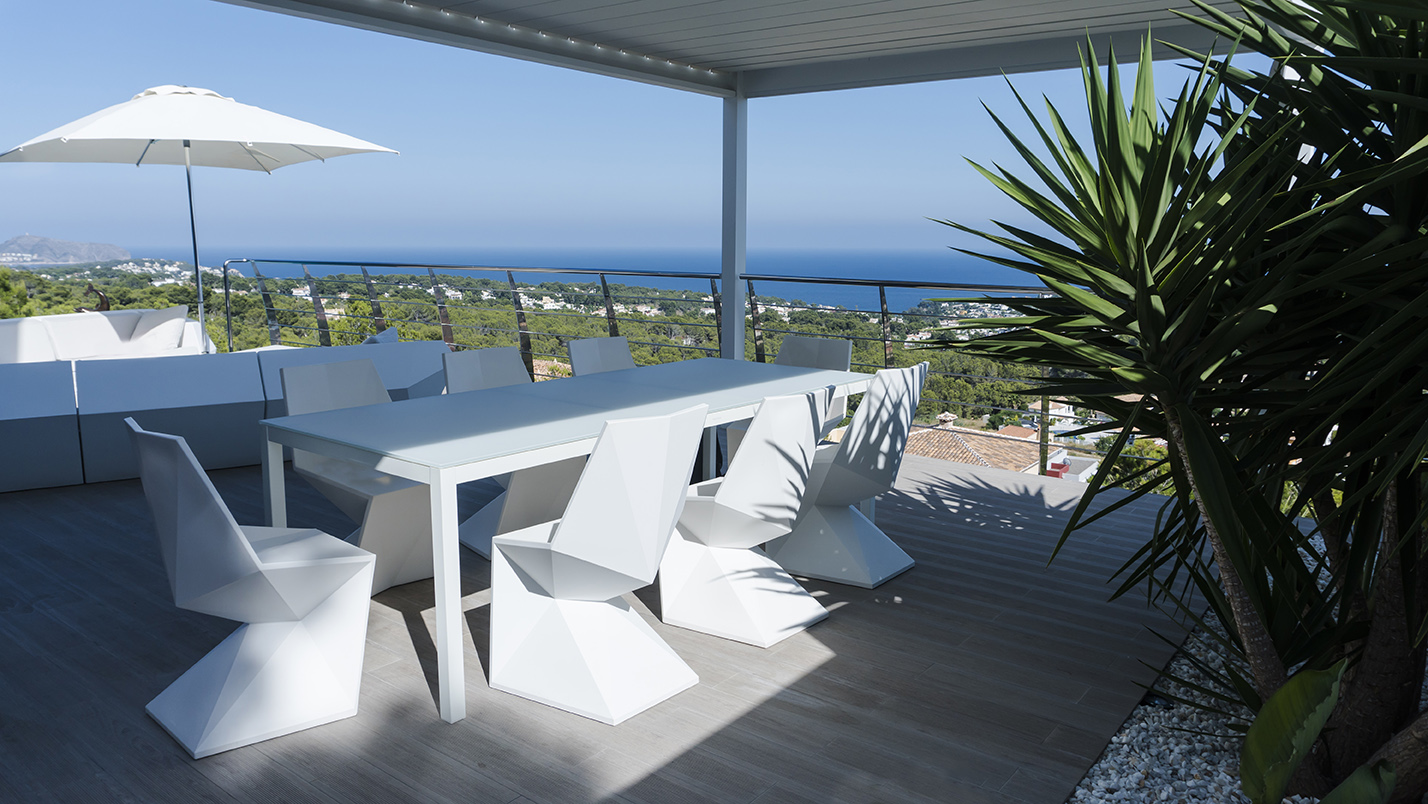
Some of the reasons why open spaces are gaining popularity in modern architecture include:
- Encouraging social interaction: open spaces encourage social interaction and communication between people. Instead of being separated by walls and doors, people can communicate and collaborate more effectively in an open space.
- Greater flexibility: open spaces are more flexible and adaptable to different uses and needs. An open-plan space can be used in many different ways, making it more versatile than a closed room.
- Connection with the surroundings: open spaces allow a greater connection with the exterior environment, as natural light and views can penetrate the space without obstacles. This can create a feeling of harmony and connection with the environment.
- Feeling of spaciousness: open spaces can make a space feel larger and more expansive. This can be especially beneficial in small buildings or in urban spaces where space is limited.
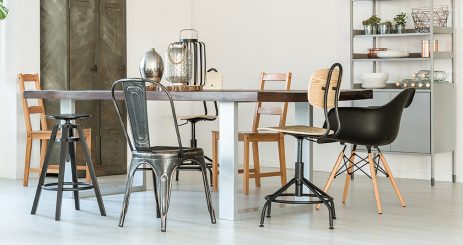
Some of the ways architects are incorporating open spaces into their designs include eliminating walls and creating multi-purpose zones. For example, an open-plan space can have defined zones for different uses, such as a living area, a dining area, and a work area.
Open-plan and diaphanous spaces: How to define them?
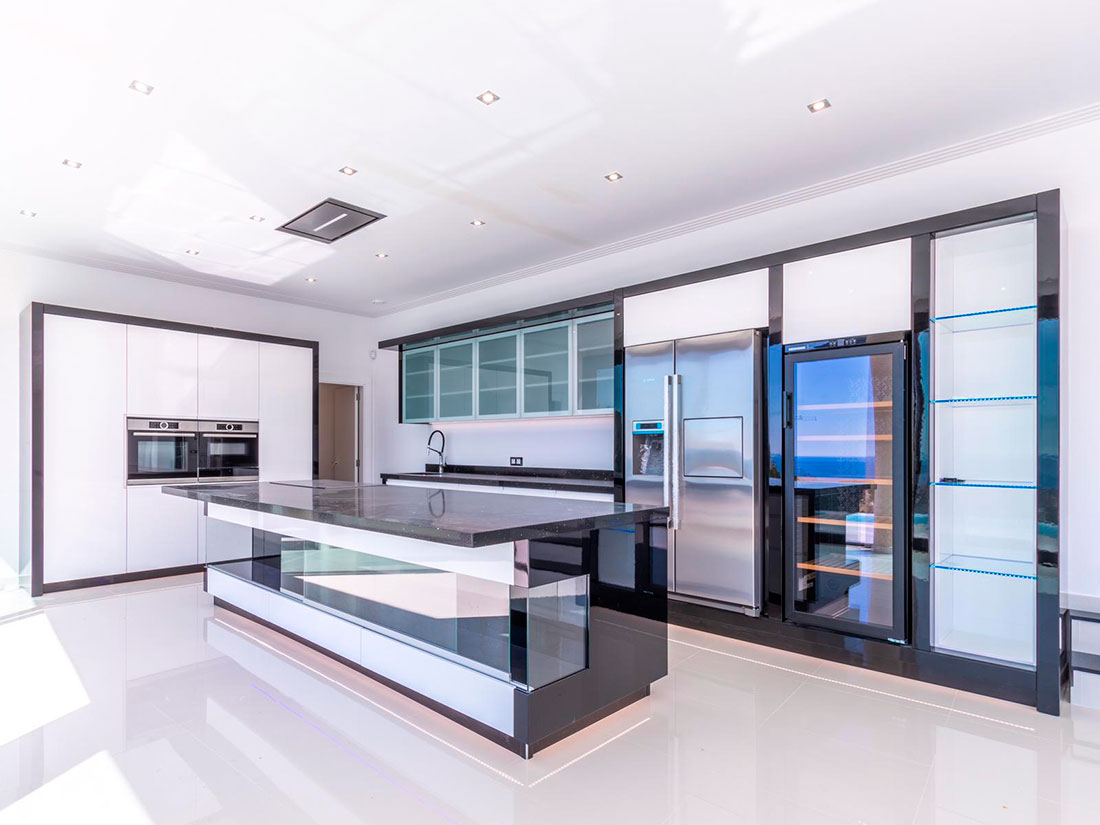
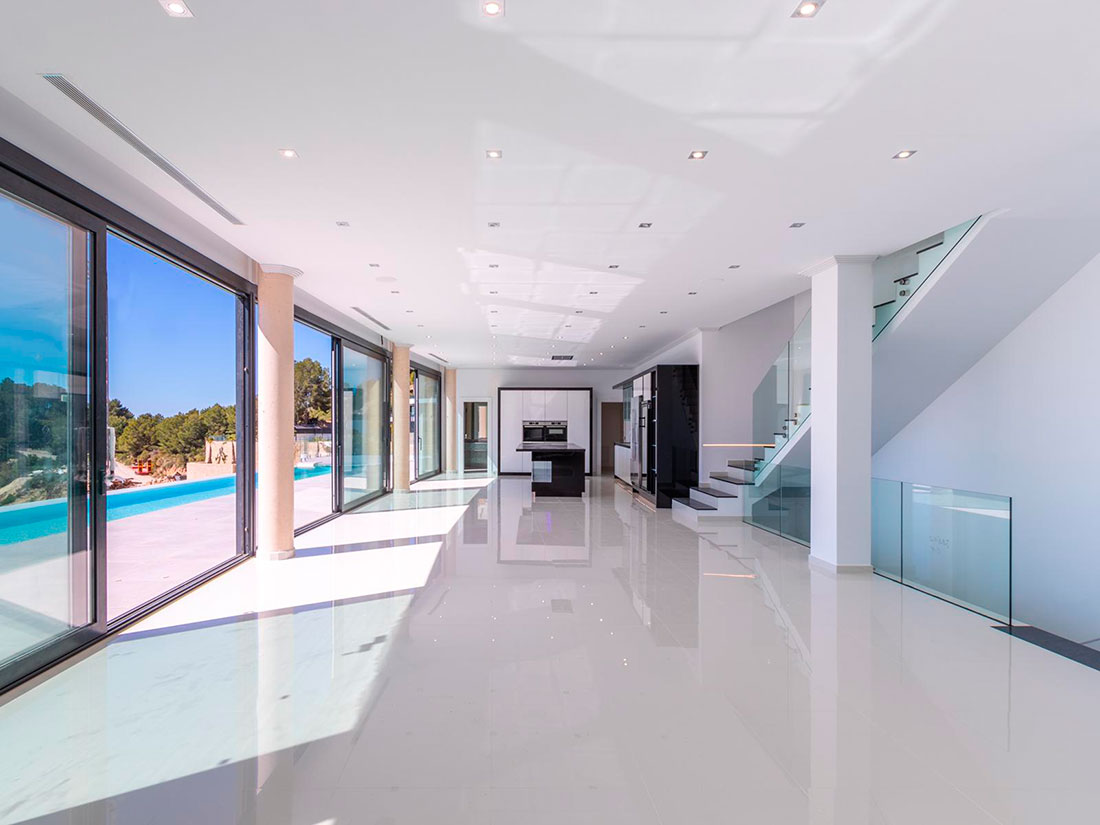 Open-plan spaces are those in which there are no walls or divisions separating the different areas of a home or building. These spaces are very popular in modern architecture as they allow for a feeling of spaciousness and luminosity, as well as greater flexibility in the arrangement of furniture and decoration.
However, defining spaces is a necessity to separate the different areas and activities that take place in a building. To achieve this, various resources can be used, such as partitions, screens, shelving, curtains, or even furniture.
A very popular option for delimiting spaces without hindering the light and spaciousness of open-plan areas is to use transparent elements such as glass or acrylic panels. These elements allow natural light to enter and create a feeling of visual continuity between the different environments.
Another option is to use movable elements, such as sliding doors or folding panels, which allow greater flexibility in the distribution of spaces and the possibility of opening or closing off areas as needed.
Contact Arquifach, architecture studio on the Costa Blanca
Arquifach is a studio at the forefront of architecture. If you have any questions about your project or are not sure where to start, do not hesitate to contact us!