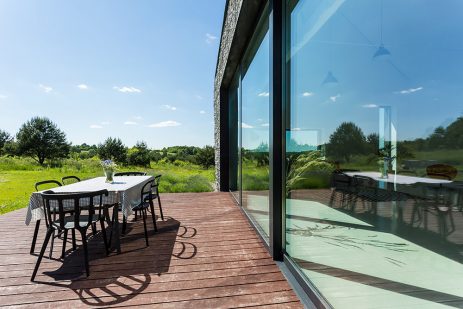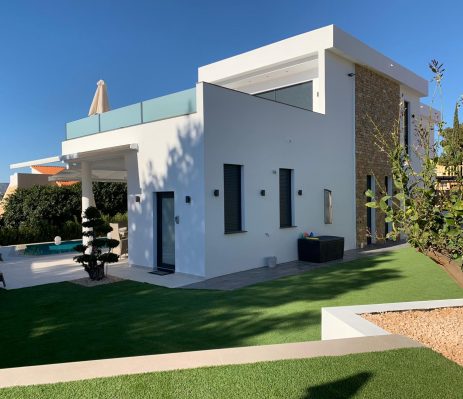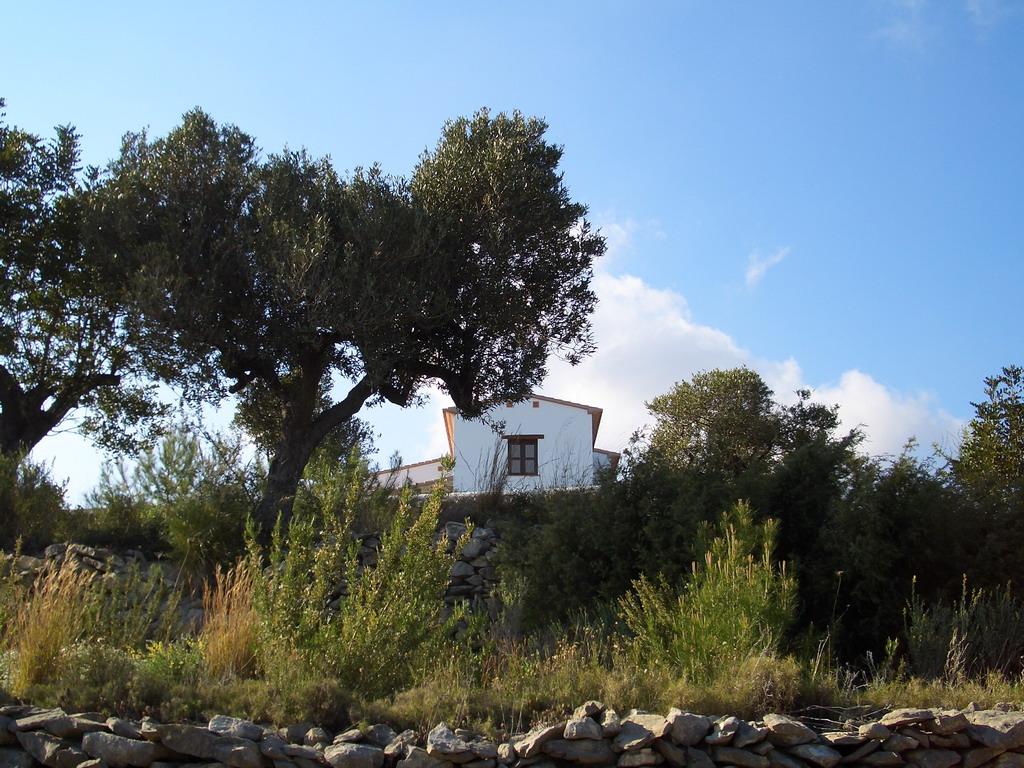
Holistic architecture is an architectural design paradigm based on the premise that man, the environment, and energy interact as a single system. While conventional architecture focuses on the functionality and/or aesthetics of the building, independent of any other factor, the holistic paradigm seeks harmony and balance between the built space, nature, and the people who inhabit it. This paradigm intertwines physical, emotional, cultural, spiritual, and ecological elements to offer a more integrated perspective, while pacifying and fulfilling the act of inhabiting.
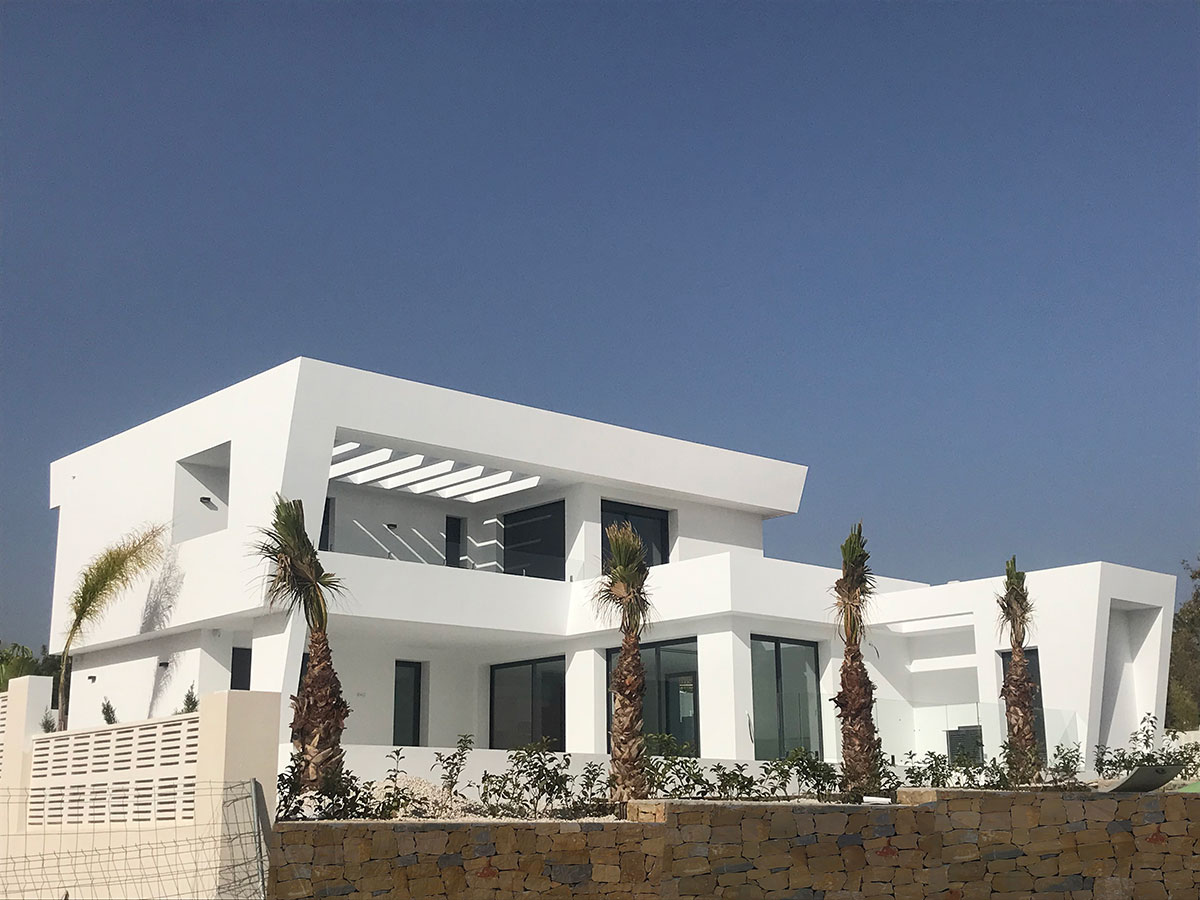
Origin and Philosophy
The word “holistic” comes from the Greek holos, meaning “whole” or “complete.” In the architectural field, this vision emerges as a response to the fragmentation of modern design, which often separates the technical from the human, and the urban from the natural. Influenced by Eastern philosophies, principles of sustainable design, and ancestral knowledge, holistic architecture revisits the idea that space is not just a container for activities, but an extension of the body, mind, and spirit.
From this perspective, every element of design — materials, orientation, proportions, lighting, circulation — has an impact that is not only practical, but also psychological and energetic. Holistic architecture seeks to create spaces that not only function well, but also inspire, heal, and elevate the human experience.
Foundations of Holistic Architecture
The ideas of how to build well change with culture and each individual, but they almost always include these elements:
-
Healthy and sustainable materials: Priority is given to natural materials, with low environmental impact and free of toxins, such as earth, wood, lime, cork, or ecological paints. These materials, besides being safe, tend to better regulate humidity and temperature.
-
Design centered on human well-being: Spaces are configured to generate calm, functionality, and warmth. The emotions evoked by proportions, colors, textures, and lighting are considered. A balance between open spaces and intimate areas is also sought.
-
Energy and symbology: In many cases, principles such as Feng Shui, sacred geometry, or the energetic orientation of the place are integrated, seeking for the home to enhance vitality and harmonize with its inhabitants.
-
Conscious participation: A holistic home is not imposed; it is co-created. The design is adjusted to the needs and values of those who will inhabit it, incorporating their dreams, rhythms, and ways of life.
Advantages of Holistic Architecture
When adopting a holistic approach in architecture, a series of benefits can be experienced for both people and the environment:
-
Complete well-being: Holistically designed spaces promote the physical and emotional health of those who use them. This translates into reduced stress, improved sleep quality, and a boost in both productivity and personal relationships.
-
Effective sustainability: By using environmentally friendly materials and passive techniques, the building’s carbon footprint is reduced, and its useful life is extended.
-
Adaptation and resilience: Constructions adapt more easily to changing social, climatic, or economic environments, as they are conceived by considering the context comprehensively.
-
Functional aesthetics: Beauty is not merely decorative, but an expression of genuine balance that connects the user with the environment and with themselves.
Contemporary Applications
Today, holistic architecture is being adopted in various sectors: private homes, health centers, schools, hotels, spiritual retreat spaces, and community projects. A notable example is bioclimatic architecture, which uses holistic principles to optimize thermal comfort without relying on mechanical systems.
Another related field is bioarchitecture, which seeks the health of the habitat from an integral perspective, and permaculture, which integrates architectural design with regenerative agriculture. Furthermore, interest is growing in certification systems such as WELL or the Living Building Challenge, which evaluate the quality of the built environment beyond its energy efficiency.
What is a Holistic House?
A holistic house is not simply an efficient or beautiful construction. It is a living organism, a sanctuary aligned with its surroundings and with the essence of its inhabitants. Every design decision — from solar orientation to the choice of materials or the layout of spaces — is made consciously, integrating physical, emotional, energetic, and symbolic aspects.
This vision seeks for the home to be not only functional, but also healthy, harmonious, and sustainable, contributing to the integral well-being of its residents.
Application Example: A Holistic House in a Temperate Climate like the Costa Blanca

Imagine a house in a temperate zone, surrounded by trees with a view of the mountains and the sea. The design begins by analyzing the orientation: the living room and kitchen are placed to the north to receive light throughout the day, and the bedrooms to the east to take advantage of the morning sun. A porch provides protection from the summer heat, while large windows capture the winter sun.
Adobe walls are built, acting as thermal mass, regulating the indoor temperature. The sloping roof collects rainwater for domestic use, and the greywater system irrigates an edible garden.
An open space is left in the center of the house — a kind of “heart” of the home — where one can meditate, read, or simply be. It is not a luxury; it is a space for inner connection. Every piece of furniture has its place, every corner its intention.
Challenges and Considerations
Designing a holistic house requires more than just a good aesthetic idea: it involves comprehensive planning and a particular sensitivity. It may involve more design time and a higher initial investment, but the long-term benefits — in health, energy, connection, and durability — are remarkable.
Furthermore, there is no single formula: each family, each piece of land, and each culture needs its own interpretation of what is holistic. The key is to design with respect, with listening, and with awareness.
A holistic house is not a utopia: it is a possible and necessary way of inhabiting the world. In times where stress, disconnection, and environmental impact are daily problems, returning to the essentials through home design can be an act of healing and transformation. True luxury is not in size or expensive finishes, but in living in a space that reflects our essence and enhances our well-being. Ultimately, a holistic house is not just where we live, but also how we live.
ARCHITECTURE STUDIO ALICANTE: ARQUIFACH, TAKES CARE OF YOUR PROJECT
Contact Arquifach, an architecture studio in Alicante, without obligation. If you are thinking of retiring on the Costa Blanca, count on comprehensive services for the construction of new single-family homes or tourist apartment buildings. Rely on the support of a team specialized in the Costa Blanca. Arquifach covers the entire project, from design, construction, planning, pathology reports, valuations, and general advice.