Architecture in 2024 continues its evolution, integrating technology, sustainability, and new forms of social interaction to respond to global challenges and the changing needs of society. This year, trends reflect a growing commitment to innovation, energy efficiency, and a more conscious approach to environmental impact, while also exploring new dimensions of aesthetic expression and functionality. Below, we analyze the main trends that will shape architecture in 2024.
1. Sustainable Architecture and Net-Zero Buildings
Sustainability remains the cornerstone of architecture in 2024. The demand for buildings that reduce their carbon footprint and are energy-efficient drives innovation in materials, design, and technologies.
Net-Zero Buildings and Renewable Energy
This year, the trend towards “net-zero” constructions, which generate as much energy as they consume, will consolidate further. Solar panels integrated into facades, energy storage systems, and smart management technologies are employed to optimize resource use.
Innovative and Circular Materials
The use of recycled and locally sourced materials is on the rise. Bioconstruction, using materials like bioplastics, certified timber, and low-impact concrete, is becoming more accessible and efficient. Furthermore, the circular economy in construction encourages the reuse and recycling of components to reduce waste.
Advantages of Passive Architecture
Passive design strategies, such as smart orientation, advanced thermal insulation, and natural ventilation, make it possible to significantly reduce energy consumption, aligning with global sustainability goals.
2. Technology and Digitalization in Architecture
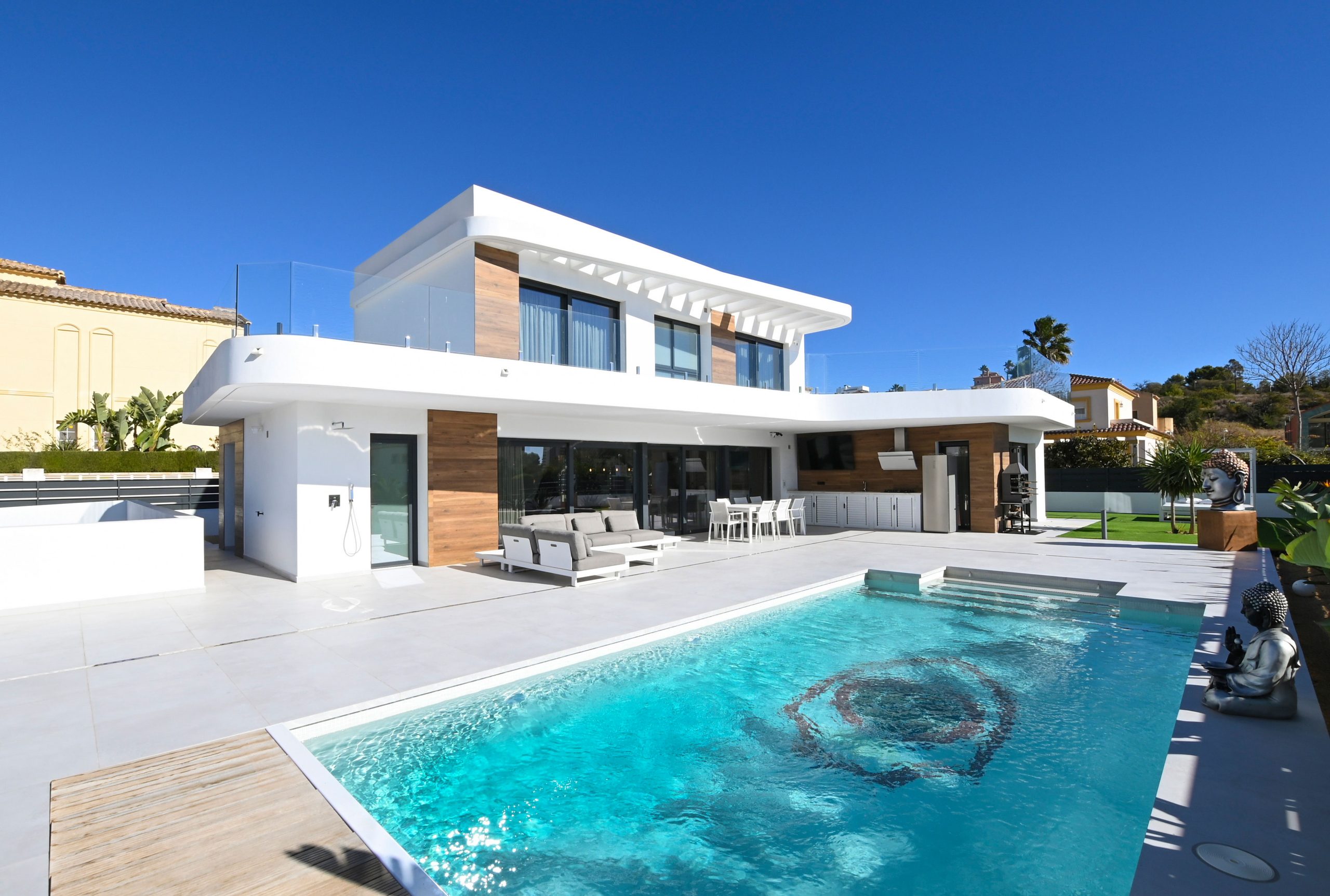 The integration of technology into all aspects of design and construction continues to transform architecture in 2024.
Building Information Modeling (BIM) and Digital Twins
The advanced use of BIM and the creation of digital twins allows for simulating and optimizing projects before construction. This promotes efficiency, reduces errors, and improves collaboration among teams.
Artificial Intelligence and Automation
AI is applied in form design, energy performance analysis, and smart building management. Automation in construction, with robots and autonomous machinery, speeds up processes and improves precision.
Augmented Reality and Virtual Reality
These technologies facilitate the visualization of projects in early stages, allowing clients and architects to experience spaces before execution, improving decision-making.
3. Resilient and Adaptive Design
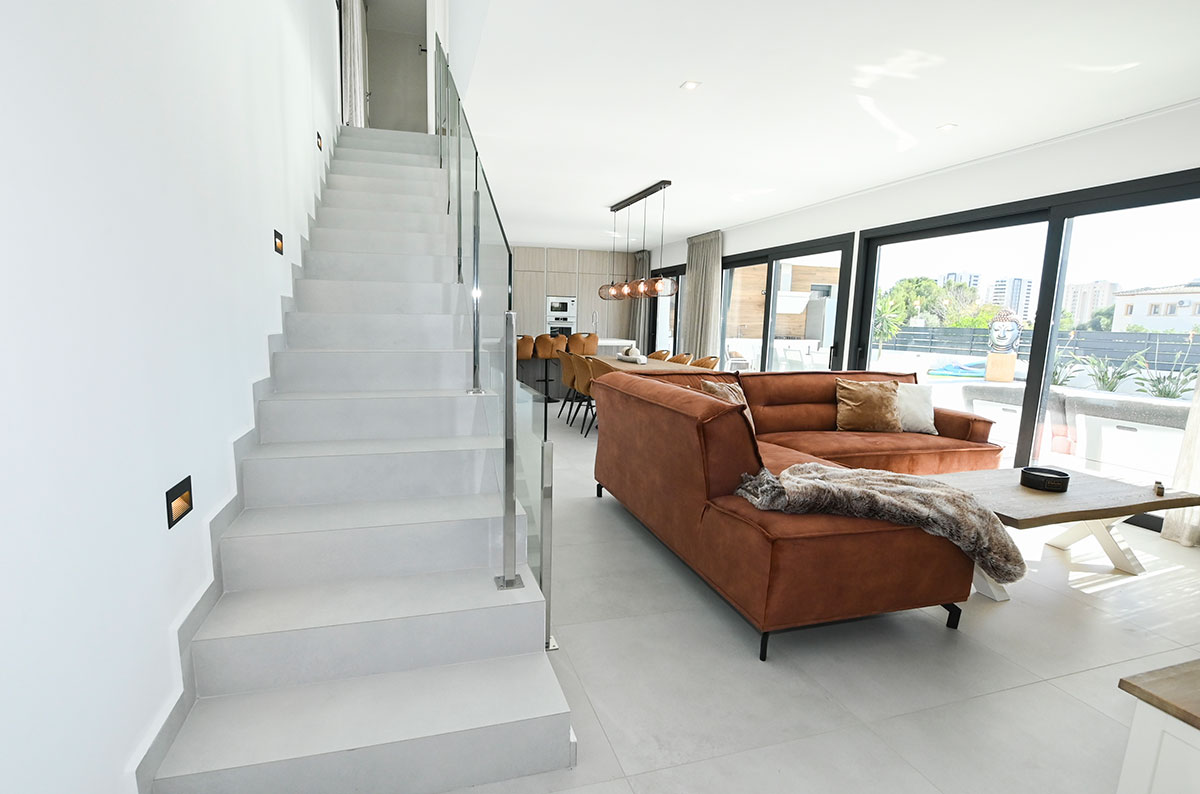 Facing the effects of climate change and extreme weather events, architecture in 2024 prioritizes resilience and adaptability.
Resilient Buildings
Structures are designed to withstand floods, strong winds, and extreme temperatures. Passive and active protection systems are incorporated, such as draining walls, green roofs, and fire protection systems.
Flexible and Multifunctional Spaces
In response to new ways of working and living, internal and external spaces are designed to be multifunctional, adapting to different uses and needs. Modular furniture, movable walls, and open areas foster flexibility.
Resilient Urbanism
Cities incorporate green infrastructure, vegetated roofs and walls, and water management systems to cope with adverse weather events, promoting safer and more sustainable urban environments.
4. Biophilia and Connection with Nature
The trend of integrating nature into the built environment continues to rise in 2024.
Biophilic Architecture
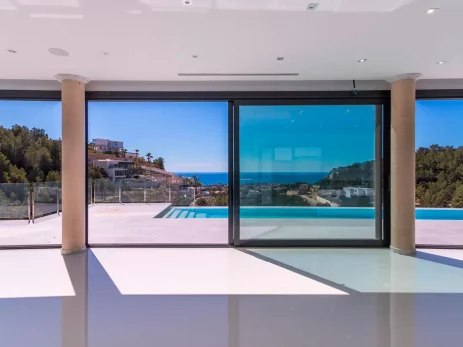
Spaces are designed to foster connection with nature by incorporating indoor and outdoor vegetation, abundant natural light, green views, and organic materials. This improves the mental health and well-being of occupants.
Vertical Gardens and Green Roofs
These solutions not only beautify spaces but also contribute to thermal regulation, air filtration, and urban biodiversity.
Living and Working Spaces in Contact with Nature
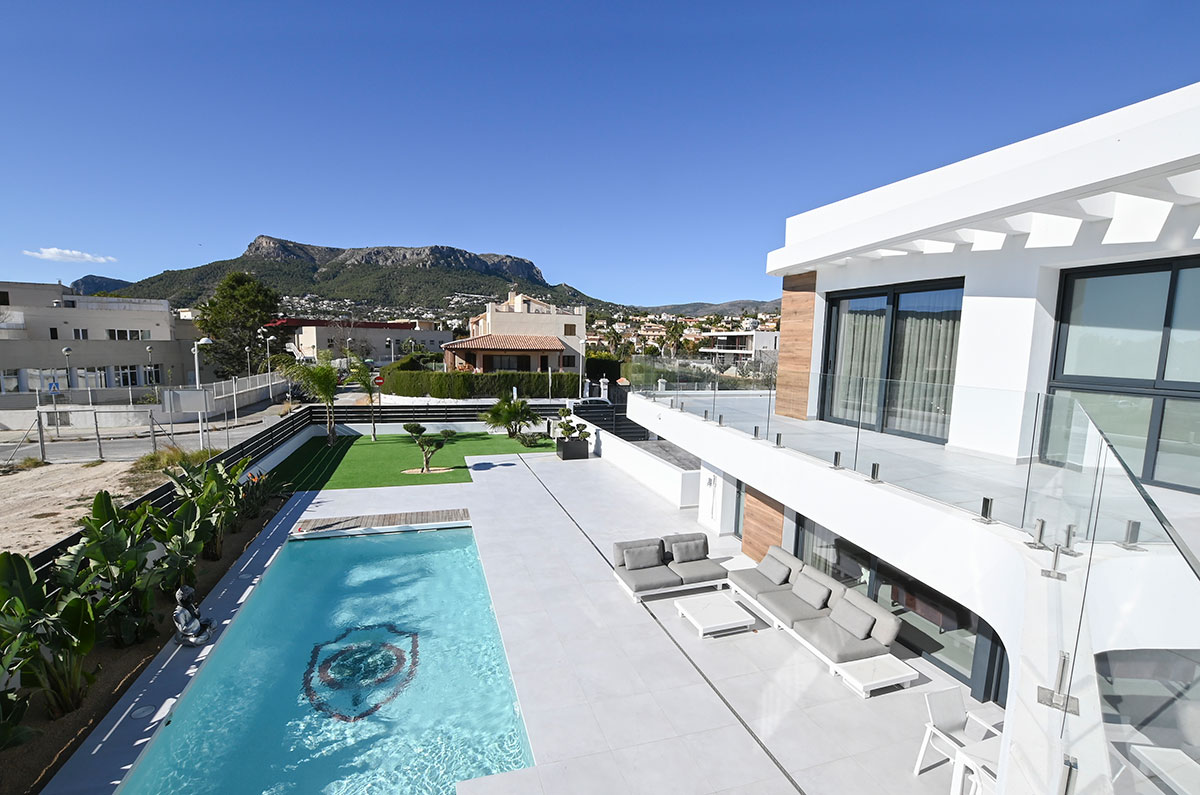
Offices and homes promote access to green areas, patios, and terraces, encouraging healthier and more sustainable lifestyles.
5. Organic Architecture and Curvilinear Forms
Fluid, organic, and curvilinear forms continue to gain prominence in 2024, bringing dynamism and harmony to spaces.
Innovation in Design
The use of advanced software allows for creating structures with complex and sustainable forms that respond to functional and aesthetic needs.
Materials and Construction Techniques
Digital construction techniques, such as additive manufacturing and prefabrication, facilitate the realization of organic forms on a large scale.
Notable Examples
Emblematic projects show how curved forms improve structural and visual efficiency, creating spaces that seem to integrate with their natural environment.
6. Circular and Modular Architecture
Modularity and the circular economy are at the heart of innovation in 2024.
Modular Buildings
Prefabricated and modular structures allow for fast, flexible construction with a lower environmental impact. They also facilitate reconfiguration or disassembly to adapt to new needs.
Design for Reuse
Buildings designed to be disassembled and reused in different contexts minimize waste and extend the useful life of materials.
Flexible Housing and Commercial Spaces
Modular design allows spaces to be quickly adapted to changes in demand, fostering resilient and sustainable communities.
7. Minimalism and Conscious Design
In contrast to extravagant forms, minimalism reaffirms itself as a key trend in 2024.
Simplicity and Functionality
Simplicity in forms and materials is prioritized, promoting clean, orderly, and functional spaces that favor well-being and efficiency.
Natural Materials and Tactile Textures
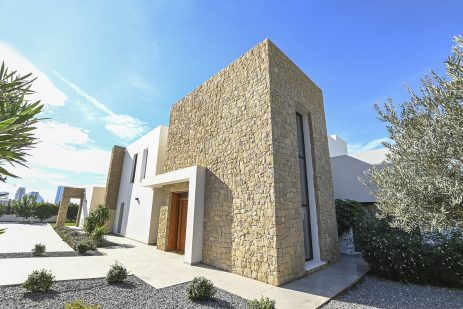
Materials like wood, stone, clay, and natural fabrics are preferred, bringing warmth and authenticity to spaces.
Conscious Design and Digital Minimalism
Design seeks to reduce waste and favor the circular economy, promoting more responsible and sustainable lifestyles.
8. Inclusive and Accessible Architecture
Equity in design continues to gain prominence in 2024, promoting spaces that are accessible to all.
Universal Design
Accessibility principles are integrated into all projects, eliminating physical and cognitive barriers.
Spaces for Diversity
Projects consider the needs of different groups, including the elderly, children, and vulnerable communities, promoting social inclusion.
9. Cultural and Contextual Architecture
Respect for the local context and cultural identity remains fundamental.
Response to the Environment
Designs respond to the history, culture, and climate of the place, creating meaningful connections with their surroundings.
Use of Traditional Materials and Techniques
Incorporating ancestral techniques and local materials into new constructions strengthens cultural identity and promotes sustainability.
10. Innovation in Public Spaces
Urban spaces in 2024 seek to promote social interaction, health, and well-being.
Green Spaces and Meeting Areas
Parks, squares, and green corridors are created to encourage active mobility and coexistence.
Architecture for Well-being
They incorporate elements such as rest areas, ergonomic street furniture, natural lighting, and access to services, to improve the quality of life in cities.
The architectural landscape in 2024
The architectural landscape in 2024 reflects a clear trend towards the integration of sustainability, technology, and social well-being. Architects and designers are increasingly aware of their role in creating environments that are not only functional and aesthetically pleasing, but also responsible towards the planet and that promote a better quality of life for its inhabitants.
Innovation in materials, construction techniques, and organic and modular design approaches will set the standard for future projects, while the commitment to inclusion, resilience, and connection with nature consolidates a year in which architecture becomes a key tool to face the challenges of the 21st century.